
4 Ways Garbage Collection Services Reduce Environmental Impact
In an age where environmental concerns are at the forefront of global conversations, garbage collection services play an essential role in reducing our ecological footprint. They do more than just remove waste from our homes and neighborhoods; they participate in a larger ecosystem-wide effort to minimize the negative impact our waste has on the planet. By employing numerous environmentally friendly practices, these services make a significant difference in waste management and environmental sustainability, whether we realize it or not. Their structured systems, strategic planning, and community partnerships all contribute to long-term environmental protection. As communities grow and consumption patterns evolve, the role of organized waste management becomes even more critical in safeguarding natural resources, preserving public health, and reducing pollution in land, air, and water.
1. Efficient Waste Segregation
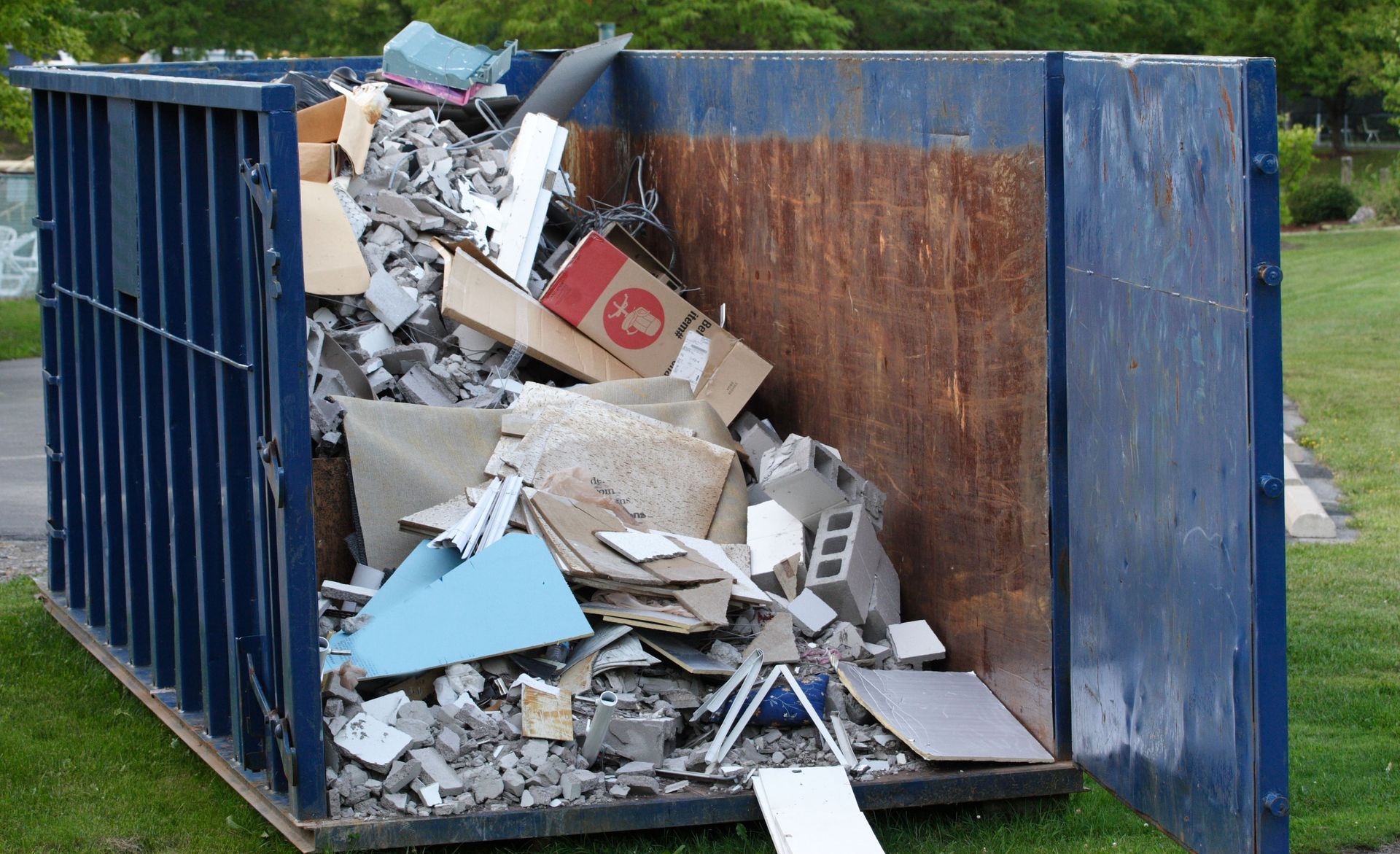
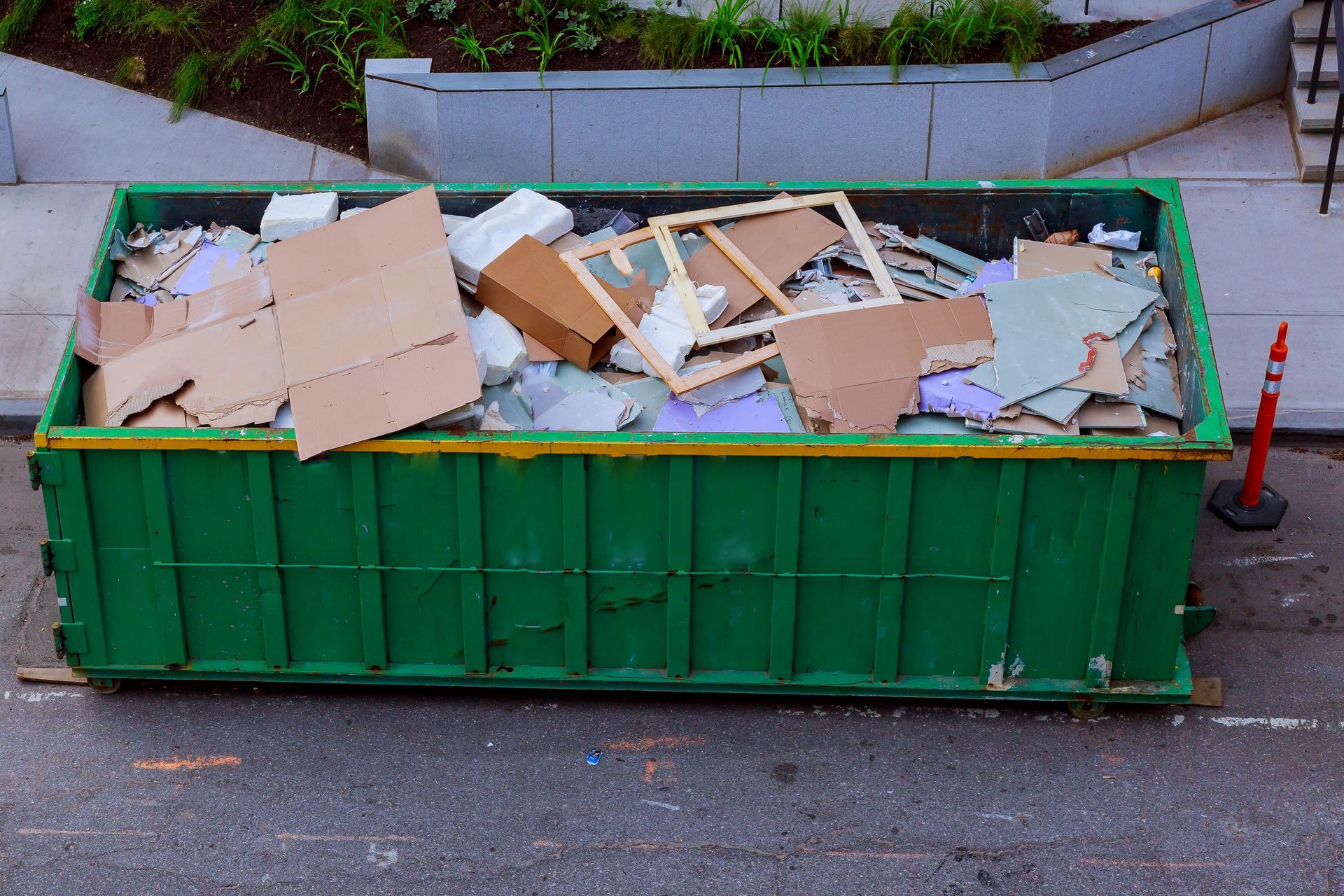
One major way garbage collection services help reduce environmental impact is through efficient waste segregation. By systematically sorting waste into different categories—such as recyclables, compostables, and landfill waste—these services ensure that recyclable materials are not discarded unnecessarily. This process diverts a significant portion of waste away from landfills, allowing materials such as plastics, glass, paper, and metals to be reused in the production of new products, thus conserving resources and reducing energy consumption. Proper segregation also prevents contamination, which can otherwise render entire batches of recyclables unusable.
The importance of sorting becomes even clearer when considering the composition of household waste. According to Environment America, of all U.S. garbage, over 28% is packaging. Without effective segregation systems, much of this packaging would end up in landfills instead of being recycled or repurposed. By separating cardboard, paperboard, aluminum, and certain plastics at the collection stage, garbage collection services help ensure that a large percentage of packaging materials can reenter the manufacturing cycle rather than contributing to landfill overflow.
2. Reduction of Carbon Emissions
Route optimization technology is another powerful tool in reducing emissions. Advanced software systems allow collection services to design more efficient routes, minimizing unnecessary mileage, fuel consumption, and idle time. Fewer miles traveled translate directly into reduced greenhouse gas output. Over time, these improvements can significantly decrease the environmental impact of daily collection operations across entire cities and regions.
In addition, many waste management facilities are investing in alternative fuels derived from renewable sources. Some fleets utilize compressed natural gas, biodiesel, or even renewable natural gas captured from landfills. By harnessing energy from decomposing waste and reintegrating it into operations, garbage collection services create a more circular system that reduces dependence on fossil fuels. These innovations demonstrate how strategic operational decisions can meaningfully reduce emissions while maintaining reliable service.
3. Promoting Recycling and Composting
Garbage collection services actively promote recycling and composting among residents. By facilitating access to recycling bins, offering compost collection programs, and providing clear guidelines on acceptable materials, these services support the diversion of organic and recyclable waste from landfills. This initiative significantly reduces methane emissions—a potent greenhouse gas—produced when organic waste decomposes anaerobically in landfills. By separating food scraps, yard trimmings, and other biodegradable materials, composting programs help transform waste into nutrient-rich soil amendments instead of allowing it to generate harmful gases.
Recycling programs also conserve substantial amounts of energy. Producing goods from recycled materials often requires less energy than manufacturing from virgin resources. For example, recycling aluminum saves a significant percentage of the energy needed to produce new aluminum from raw ore. By encouraging consistent recycling habits, garbage collection services empower residents to participate directly in energy conservation efforts. Clear labeling, educational materials, and convenient pickup schedules make sustainable participation accessible and practical for households and businesses alike.
4. Educating the Public
Education is a crucial tool in reducing environmental impact, and garbage collection services have taken up this responsibility admirably. By providing information about waste reduction techniques, recycling processes, and proper disposal practices, they help the public make informed decisions about waste management at home. Educational campaigns often include community workshops, digital resources, printed guides, and school outreach programs designed to build awareness from an early age.
As they continue to adopt and promote sustainable practices, these services not only help protect our natural environment but also inspire communities to embrace more sustainable lifestyles. By supporting efficient systems, cleaner technologies, and informed participation, garbage collection services contribute meaningfully to cleaner air, healthier soil, and reduced landfill dependency. Their role remains vital in shaping a future where responsible waste management supports ecological balance and safeguards the planet for generations to come. For all of your garbage collection needs, contact Capital Industries today!
Share On: