
How to Plan Waste Removal for Large Commercial Renovations
Commercial renovation projects require careful planning to stay on schedule, maintain a safe worksite, and control costs. While much attention is often given to construction timelines and material deliveries, waste management is just as important to the success of the project. Renovations generate large amounts of debris that can quickly accumulate if there is no organized disposal strategy. From demolition materials to packaging waste, every stage of construction produces items that must be handled efficiently. A well-planned waste removal system keeps work areas organized and allows contractors to focus on completing the renovation without unnecessary interruptions. Proper planning also helps reduce safety hazards and improves productivity throughout the jobsite. Working with experienced waste management professionals makes the disposal process much more efficient from beginning to end. Understanding how to prepare for construction debris removal helps ensure your commercial renovation progresses smoothly.
Estimate the Volume of Construction Debris
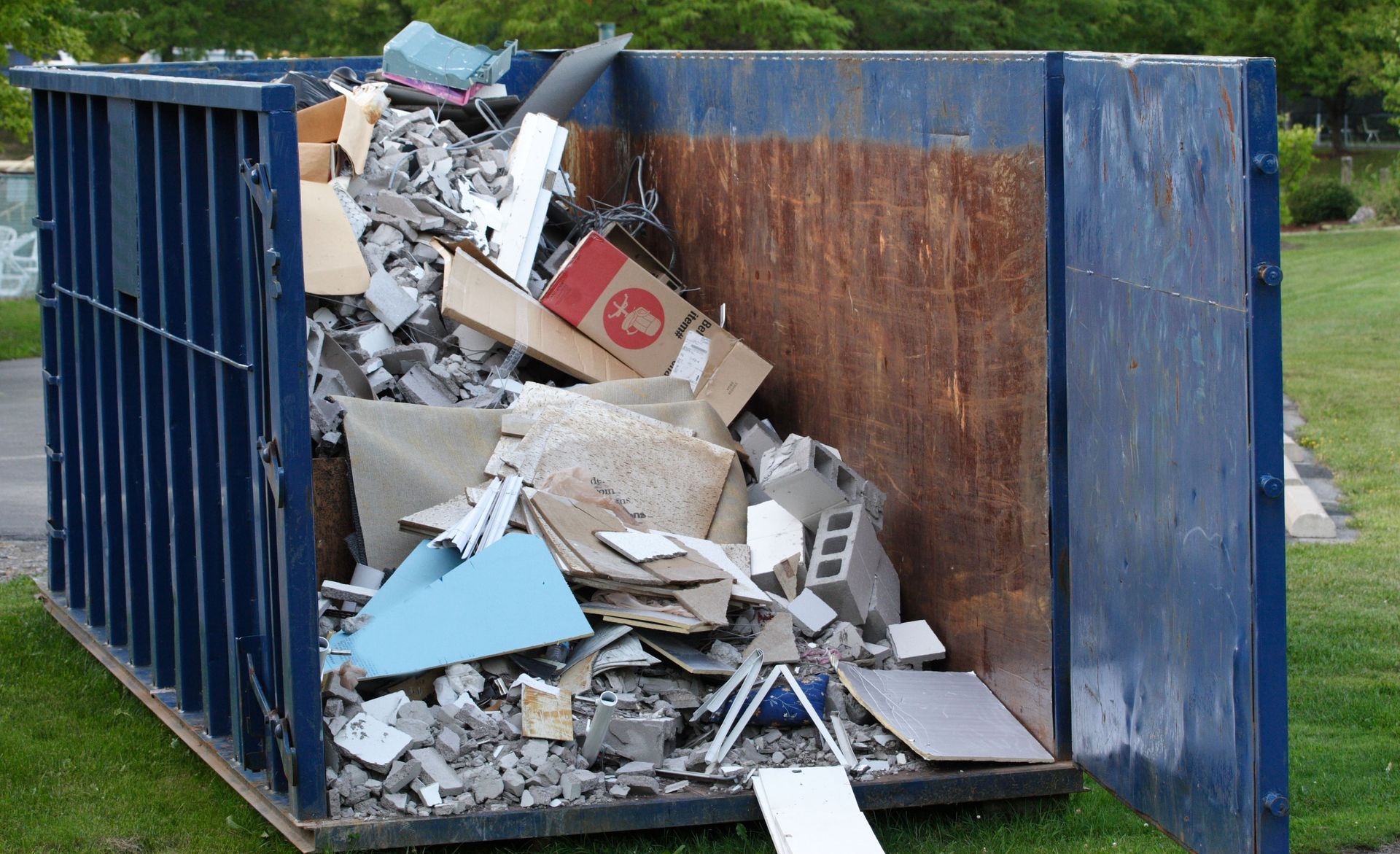
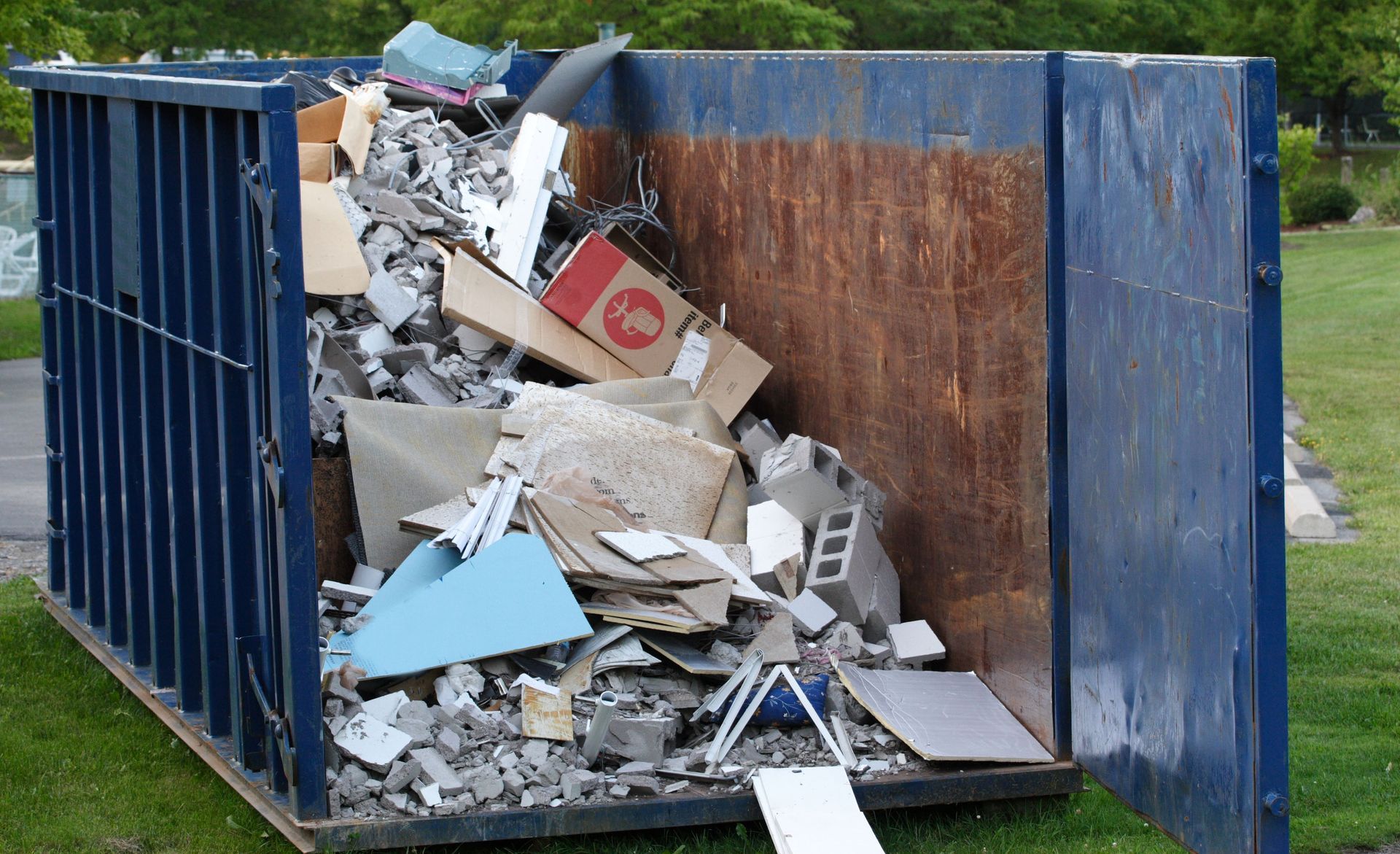
Every commercial renovation produces a different amount of waste depending on the size and scope of the project. Demolition work typically creates the largest volume of debris, including drywall, wood, concrete, flooring, insulation, and old fixtures. Estimating these materials before construction begins helps determine the type and size of waste containers needed. Ordering containers that are too small may result in unnecessary pickup delays and additional service costs. Choosing oversized containers without proper planning can also increase expenses beyond what the project requires. Contractors should review project plans carefully to estimate debris generation at every phase of construction. Accurate forecasting allows materials to be removed efficiently as work progresses. Partnering with a reliable dumpster rental provider helps ensure the appropriate container is available throughout the renovation.
Select the Appropriate Dumpster Size
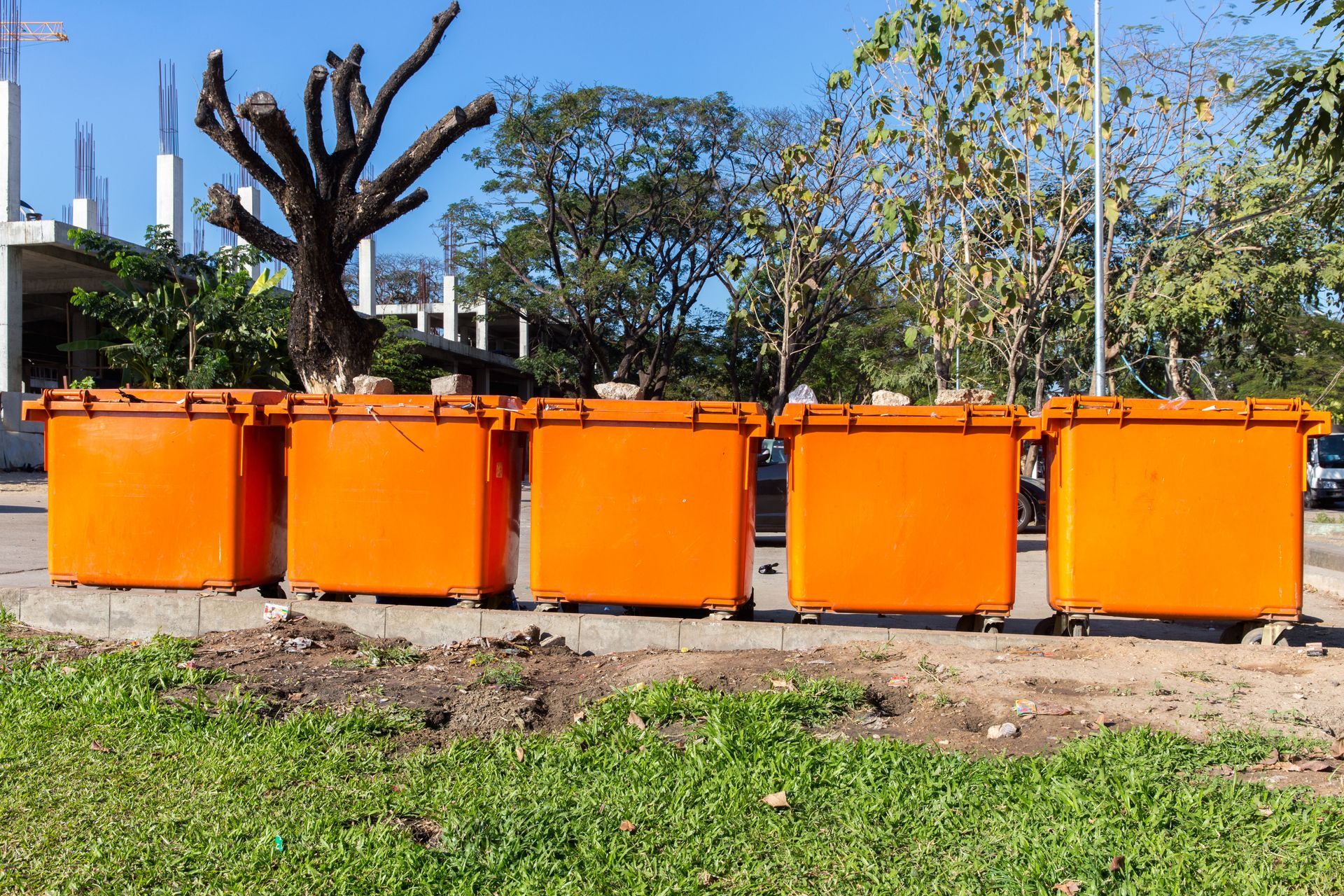
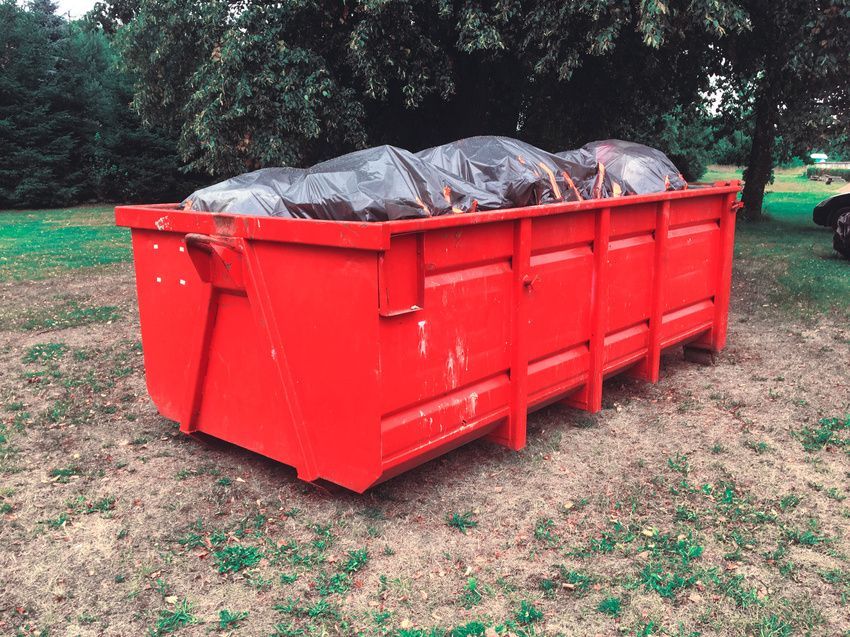
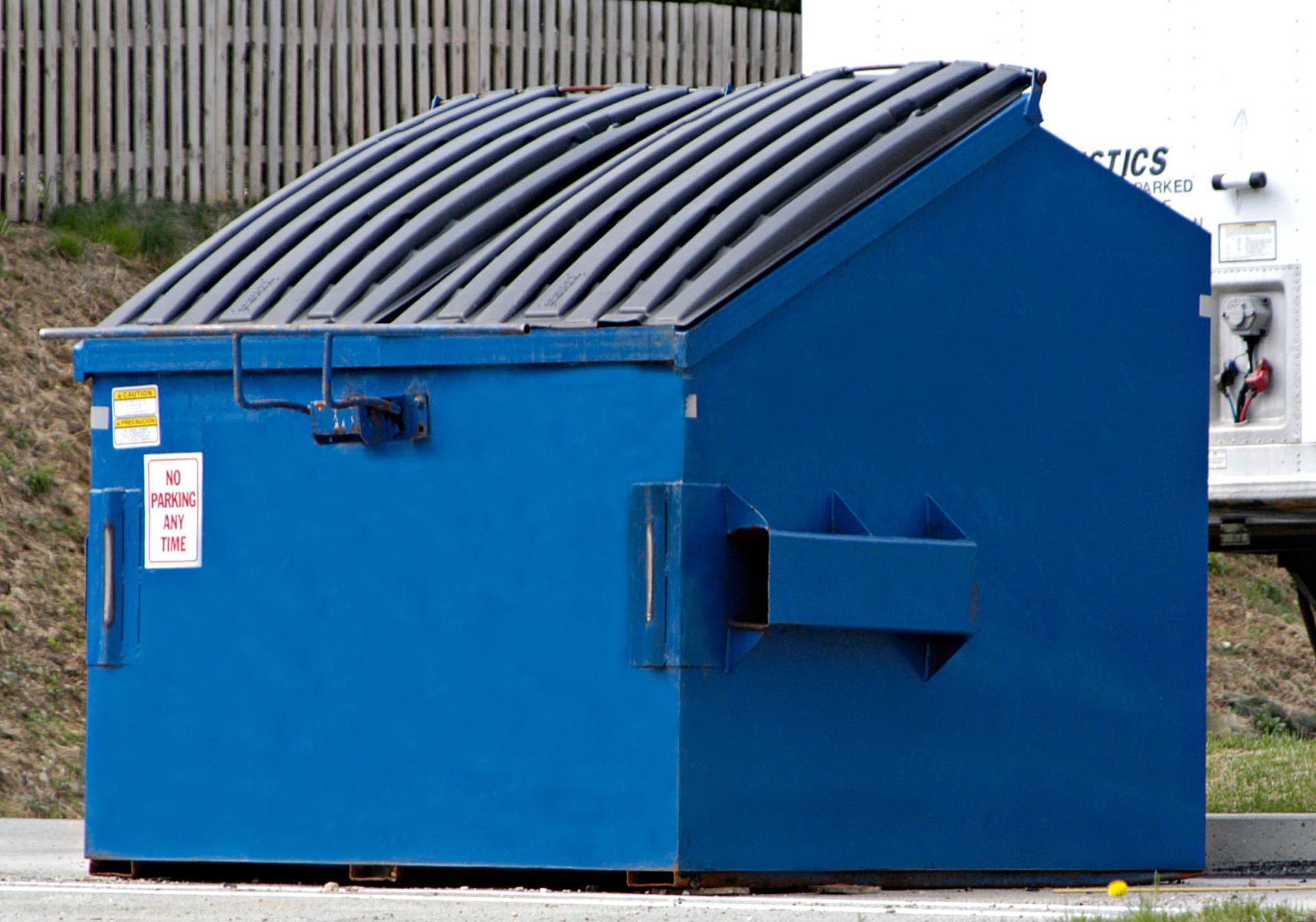
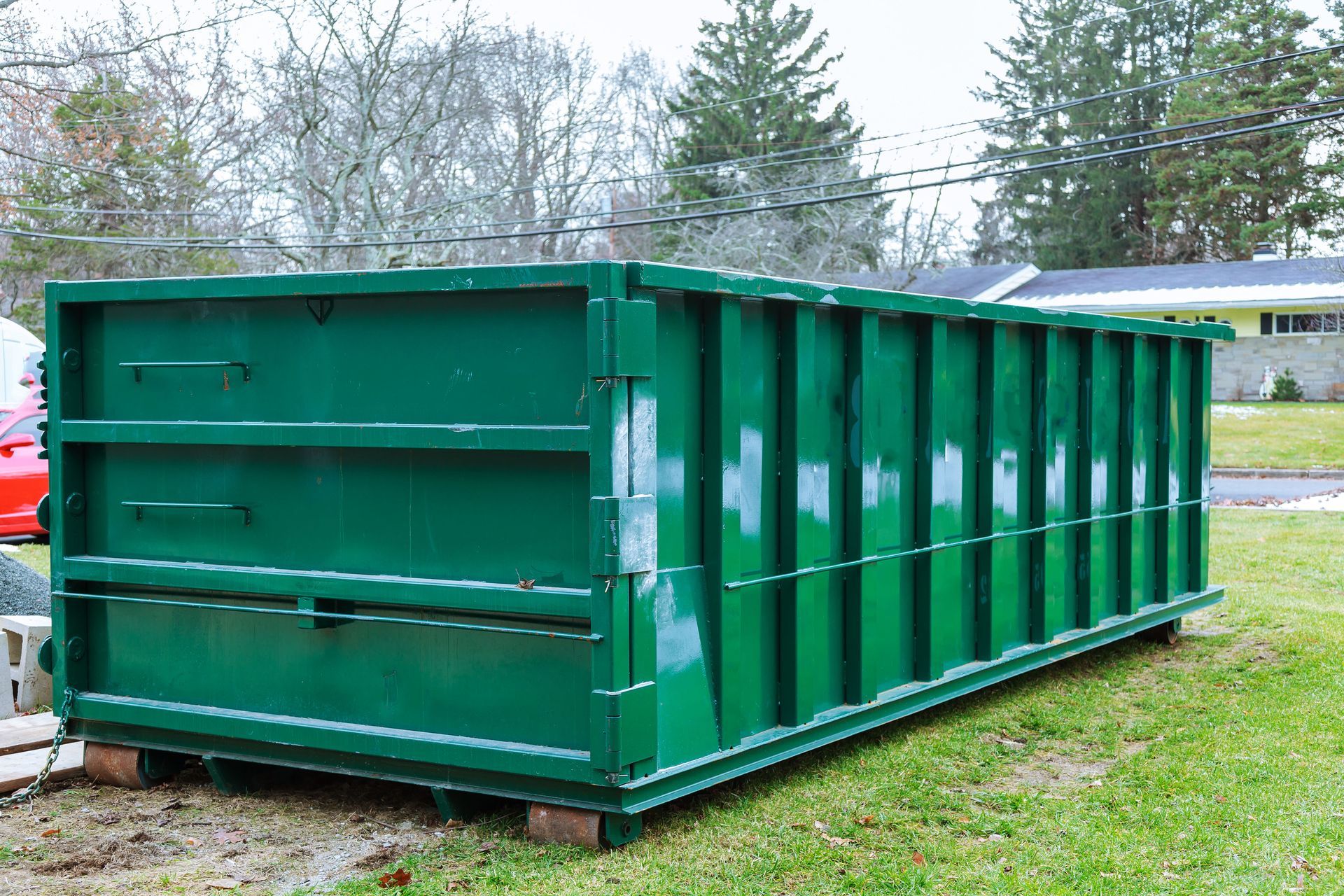
Choosing the correct dumpster size is essential for maintaining an organized and productive construction site. Different renovation projects require different container capacities based on the amount and type of debris being removed. Smaller containers may work well for limited interior remodeling, while major commercial renovations often require larger roll-off dumpsters. Proper sizing minimizes overflow and reduces the number of unnecessary haul-away trips during construction. Contractors should also consider available space on the property when determining container placement. Selecting the right size improves efficiency by keeping waste contained without interfering with daily operations. Waste management professionals can recommend suitable options based on project specifications. Careful planning prevents delays and keeps disposal costs under control.
Schedule Deliveries and Pickups Strategically
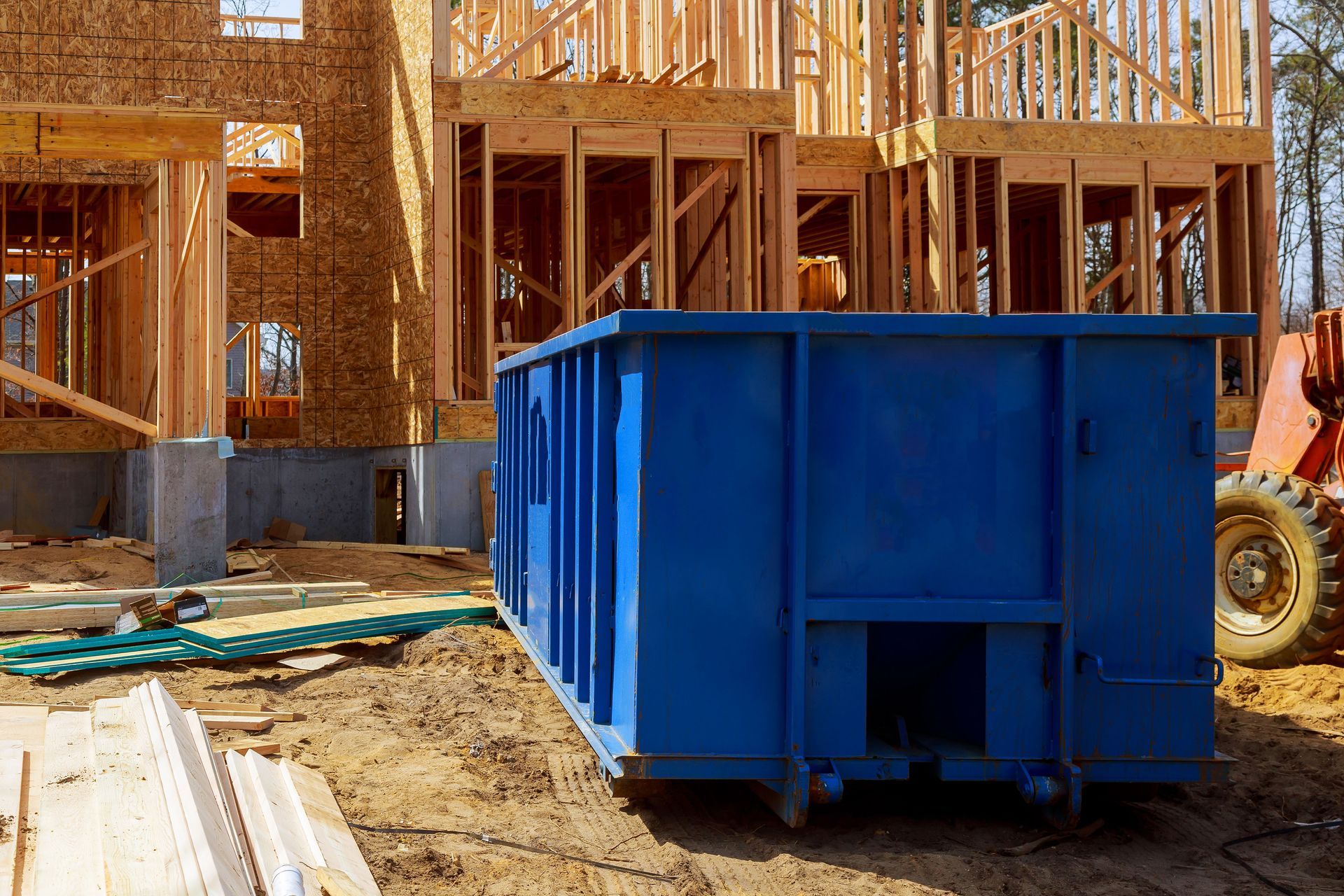
Timing plays a major role in successful construction waste management. Dumpsters should arrive before demolition begins so crews have an immediate location for debris disposal. Coordinating scheduled pickups throughout the renovation prevents overflowing containers from slowing progress. Large commercial projects often benefit from multiple pickups that align with different construction phases. Planning these services helps avoid interruptions caused by unexpected waste accumulation. Contractors should communicate regularly with their disposal company as project timelines evolve. Flexible scheduling allows adjustments when demolition or construction activities change unexpectedly. Working with an experienced dumpster rental provider helps maintain a consistent waste removal schedule that supports overall project efficiency.
Separate Materials Whenever Possible
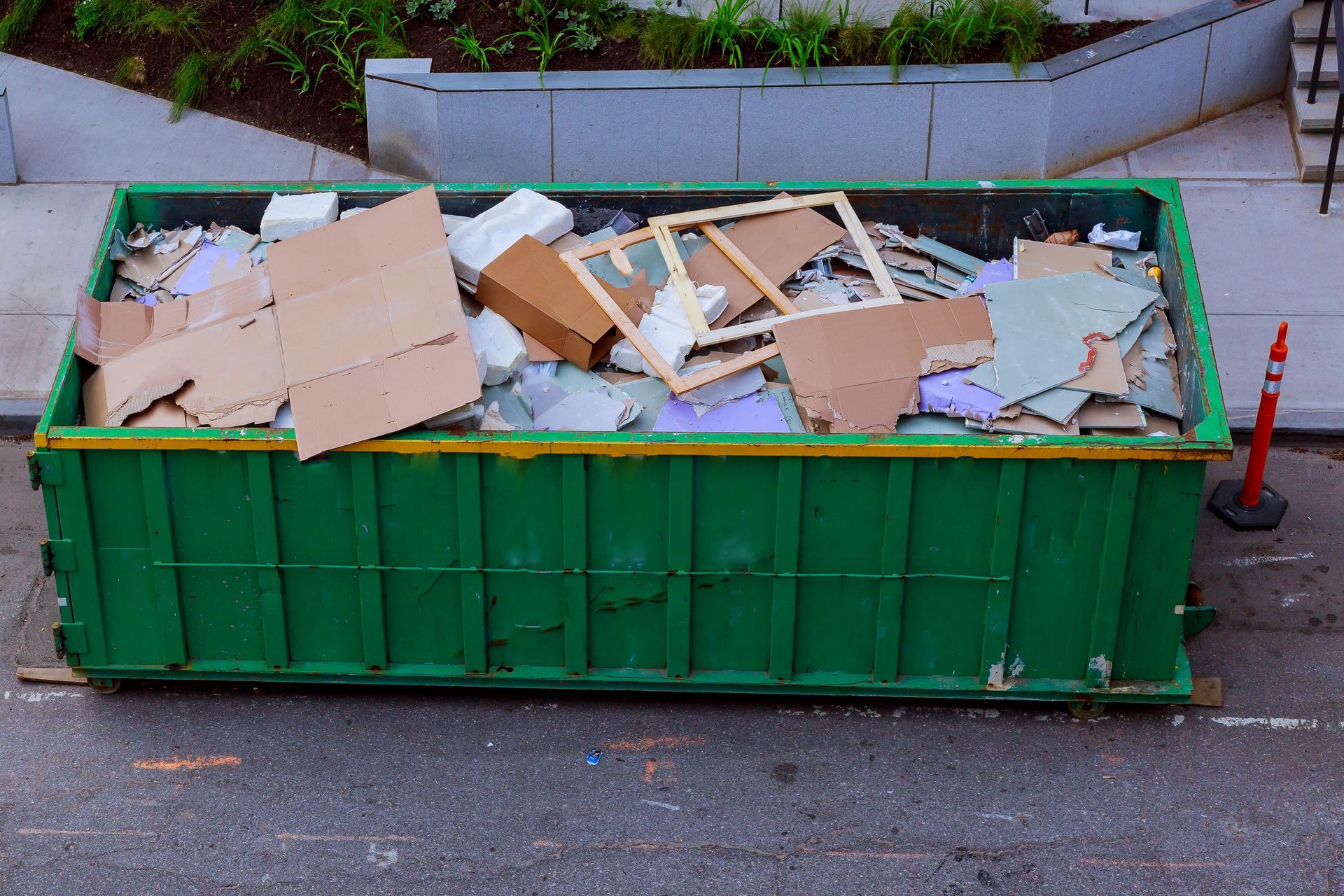
Many commercial renovation projects generate different categories of construction debris that should not always be mixed. Wood, concrete, metal, cardboard, and other recyclable materials may require separate handling depending on local disposal guidelines. Organizing waste streams helps simplify disposal while supporting environmentally responsible construction practices. Proper separation also prevents contamination that could reduce recycling opportunities. According to the EPA, approximately 146.1 million tons of municipal solid waste are sent to landfills across the U.S. each year, highlighting the importance of managing construction debris responsibly whenever possible. Contractors who separate materials contribute to more efficient waste processing while reducing unnecessary landfill disposal. Organized waste management benefits both the project and the surrounding community. Planning makes material separation easier throughout the renovation.
Maintain a Safe Construction Site
Construction debris can quickly become a safety hazard when waste is allowed to accumulate throughout the jobsite. Loose materials scattered across walkways increase the risk of slips, trips, and falls for workers and visitors. Sharp objects, broken concrete, exposed nails, and discarded building materials require prompt disposal to maintain a safe work environment. Keeping designated disposal areas organized improves jobsite visibility and allows equipment to move more efficiently. Regular waste removal also reduces fire hazards created by combustible materials. Employees benefit from cleaner workspaces that support greater productivity throughout the project. Site managers should encourage crews to dispose of debris consistently rather than allowing waste to pile up. Effective waste management contributes to both worker safety and project success.
Comply with Local Disposal Requirements
Commercial renovation projects must follow local regulations governing waste transportation and disposal. Certain materials may require specialized handling depending on municipal guidelines and environmental regulations. Contractors should become familiar with local requirements before demolition begins to avoid unnecessary delays or compliance issues. Proper documentation may also be required for disposing of specific construction materials. Experienced waste management companies understand these regulations and help customers navigate disposal requirements effectively. Their expertise reduces the likelihood of fines or scheduling disruptions caused by improper waste handling. Maintaining compliance also demonstrates professionalism throughout the renovation process. Planning ensures every stage of disposal follows applicable guidelines.
Coordinate Waste Removal with Construction Phases
Commercial renovations typically progress through several distinct stages, each producing different types and volumes of debris. Demolition creates heavy waste, while framing, electrical work, plumbing, and finishing generate smaller but continuous amounts of material. Coordinating waste removal with each construction phase helps maintain an organized workspace throughout the project. Scheduling container exchanges as work progresses prevents debris from accumulating in active construction areas. Contractors can also anticipate increased disposal needs during major demolition or material replacement activities. Effective coordination keeps crews productive by minimizing unnecessary cleanup interruptions. Organized waste management supports smoother project scheduling from beginning to completion. A dependable dumpster rental provider can help adjust service schedules as project demands change.
Work with an Experienced Waste Management Partner
Choosing the right waste management company plays a significant role in the overall success of a commercial renovation. Experienced providers understand the demands of construction projects and offer reliable scheduling, appropriate equipment, and responsive customer service. Their knowledge helps contractors select the right containers while avoiding unnecessary delays and unexpected expenses. Professional support also simplifies coordination when project schedules change during construction. Reliable communication ensures waste removal keeps pace with ongoing demolition and building activities. Working with an experienced provider allows contractors to focus on completing quality construction instead of managing overflowing debris. Strong partnerships contribute to safer, cleaner, and more efficient job sites. Selecting the right dumpster rental provider helps keep your renovation organized from the first day of demolition through final project completion.
A strategically positioned container reduces the time employees spend carrying materials across the jobsite. It also helps keep waste organized and prevents debris from spreading throughout the work area. Contractors should consider ground conditions to ensure the location can support the weight of a fully loaded container. Discussing placement options with a professional waste provider helps avoid accessibility issues and unnecessary adjustments. Careful preparation allows a dumpster rental provider to deliver and remove containers efficiently while supporting a cleaner and more productive renovation environment.
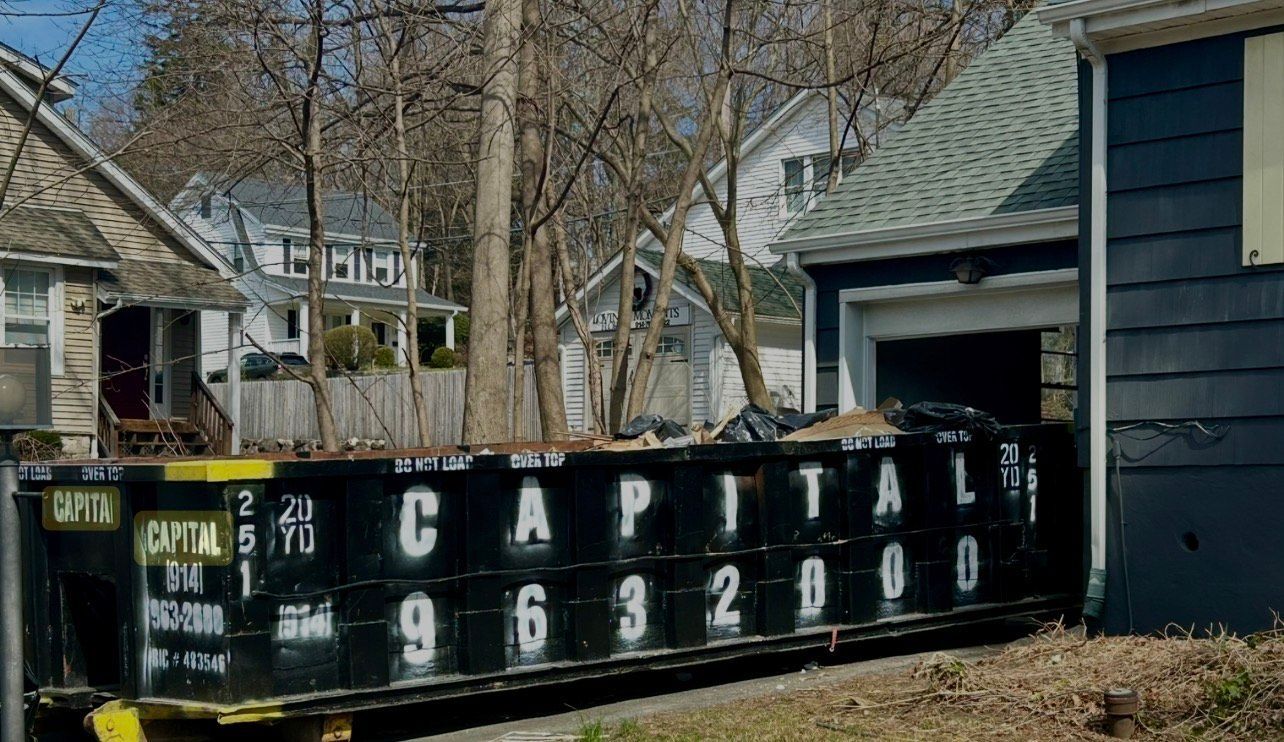
Keep your commercial renovation running efficiently with dependable waste management solutions from Capital Industries. Our experienced team provides timely deliveries, flexible scheduling, and reliable dumpster services that help maintain clean, safe, and productive jobsites. Contact us today to find the right waste removal solution and allow us to be your dependable dumpster rental provider.

Share On: