Preparing A Property For Demolition And Debris Removal

November 6, 2026

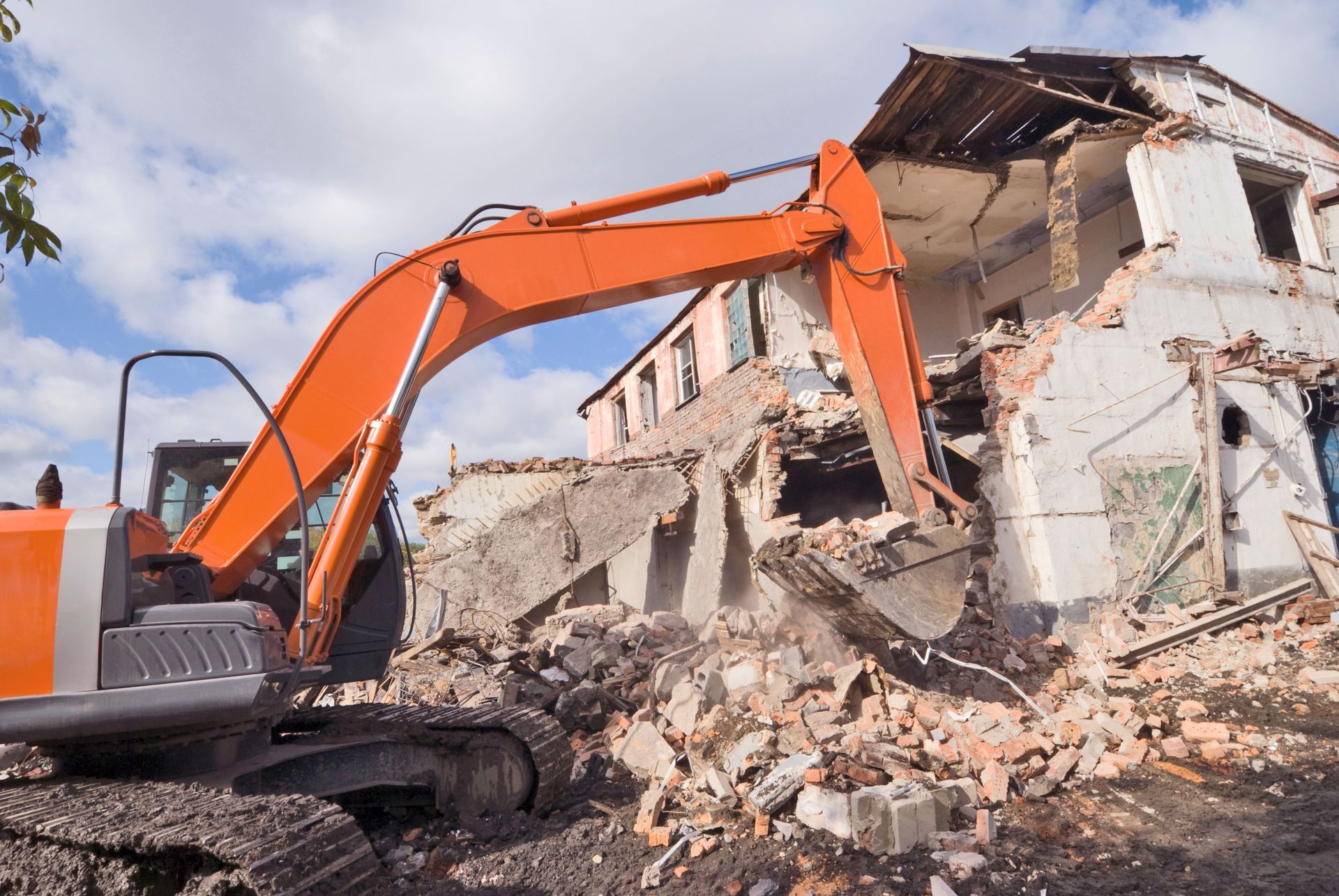
Demolishing a property and removing debris is a complex process that requires careful planning and execution. This article will guide you through the essential steps involved in preparing a property for demolition and debris removal, ensuring compliance with regulations and prioritizing safety. The demolition process involves not only tearing down the structures but also responsibly managing the materials and waste generated. Understanding the multiple layers of preparation can minimize risks and provide a blueprint for a successful project. From understanding legal directives to the final steps of debris removal, this guide encapsulates every critical phase of demolition preparation.


Understanding Legal Requirements


Researching Local Demolition Permits

The first step in preparing a property for demolition is understanding the local demolition permits required. Every municipality has different regulations and processes for granting demolition permits, and understanding these is essential. The property owner or contractor must apply for the permit well in advance to avoid any delays. Permits ensure that the demolition is conducted safely and in compliance with local codes. Failure to obtain the necessary permits can result in legal challenges, fines, and potential project halts.


Complying with Zoning Laws

Zoning laws dictate how property can be used in specific areas, impacting demolition timelines and strategies. Before beginning demolition, understanding compliance with these laws is crucial for the project's legality and success. Changes in property use, such as converting residential land into commercial space, may necessitate additional permits and neighborhood consultations. Engaging with local zoning officers can provide clarity and prevent legal complications. Compliance with zoning laws also ensures that future developments on the land are viable and within legal frameworks.


Environmental Regulations and Assessments

Environmental regulations play a significant role in the demolition process. Given the potentially hazardous nature of demolition activities, understanding environmental assessments is vital. According to Worldmetrics, 18% of waste handled is hazardous, making it crucial to assess potential environmental impacts before initiating demolition. Regulators require this assessment to mitigate the impact on local ecosystems and ensure safe disposal of hazardous materials. Completing this assessment early in the process can help avoid unnecessary delays and legal issues.


Obtaining Necessary Approvals and Documentation

Securing all necessary approvals and documentation is a critical aspect of the demolition preparation process. This requires interactions with various government agencies and compliance with multiple regulatory directives. Documentation needs might include permits, environmental impact assessments, and project plans. Meticulously following procedural protocols helps safeguard against legal challenges and ensures a well-organized demolition project. Organized documentation serves not only regulatory compliance but also as a reference throughout the project.


Planning for Hazardous Material Management

The presence of hazardous materials such as asbestos and lead is a significant concern during property demolition. Proper planning is crucial to manage these substances safely, following all state and federal guidelines. Specialized waste disposal services are often required to handle these materials, ensuring they are not only removed safely but also disposed of in an environmentally responsible manner. This planning phase is imperative, as mishandling hazardous materials can result in severe health risks and regulatory penalties. This step highlights the importance of including environmental and hazardous management strategies in the initial phases of project planning.


Conducting a Thorough Property Assessment


Inspecting Structural Integrity

Conducting a thorough property assessment and inspecting the structural integrity of the building are crucial preparatory steps. This inspection identifies any structural weaknesses or potential hazards that could complicate the demolition process. Ensuring that all elements of the building, including the foundation, walls, and roofs, are thoroughly reviewed minimizes the risk during demolition. Any structural anomalies or weaknesses should be noted and addressed appropriately before proceeding. A detailed understanding of the property's integrity informs the demolition strategy and enhances planning accuracy.


Identifying Hazardous Materials

Identifying hazardous materials is a critical component of a property's assessment before demolition. Materials such as asbestos, lead-based paints, and chemicals must be identified and addressed following strict guidelines. Early identification of hazardous materials allows for the proper disposal plan to be integrated seamlessly into the demolition schedule. This step is essential to ensure compliance with safety regulations and protect human and environmental health.


Evaluating Utility Disconnections

Properly evaluating the disconnection of utilities is essential in ensuring a safe demolition process. This includes determining how electricity, water, gas, and sewage connections are managed during the tear-down phase. During the assessment, identifying all utility lines and coordinating with local service providers helps prevent accidents. Ensuring that all utilities are safely disconnected mitigates potential risks of fire, flooding, or gas leaks during demolition. This planning stage also involves making sure there is no adverse effect on neighboring properties during the utility disconnection process.


Assessing Environmental Impact

Environmental impact assessment is critical in planning and assessing the potential ecological effects of the demolition project. This assessment evaluates how the demolition might affect surrounding ecosystems, including any potential contamination of soil or waterways. Regulators may require detailed reports demonstrating the anticipated environmental impact, further ensuring project preparedness. Being proactive about environmental assessments enables better planning for debris disposal and land restoration. Managing the environmental impact responsibly aligns with sustainable development practices and enhances community relations.


Selecting a Qualified Demolition Contractor


Researching Reputable Contractors

Selecting a qualified demolition contractor involves thorough research to identify reputable professionals with experience and expertise. Online platforms, contractor associations, and consumer reviews can provide insights into contractors' reputations and performance. Establishing a shortlist of potential contractors based on experience, feedback, and credentials is crucial. This process ensures that the selected contractor can complete the project efficiently and safely. Engaging with contractors to evaluate their preliminary plans and proposals further clarifies their suitability for the project.


Evaluating Contractor Licenses and Insurance

Evaluating contractor licenses and insurance is a necessary step in the selection process to ensure legal compliance and risk management. Licensed contractors demonstrate adherence to industry standards and possess the required skills for safe demolition. Comprehensive insurance coverage protects against potential damages or accidents during the project, safeguarding property owners from liability. Reviewing these credentials carefully ensures that all regulatory responsibilities are met. Confirming valid licenses and insurance can prevent unforeseen legal or financial complications during or after the demolition.


Reviewing Previous Work and References

Reviewing a contractor's previous work and references is essential to ascertain their reliability, quality, and efficiency. Examining past projects can provide insights into a contractor's expertise, project management skills, and problem-solving capabilities. Speaking with past clients or observing ongoing projects allows property owners to evaluate firsthand the contractor's professionalism and ability to meet deadlines. Reliable contractors often have a portfolio of successful projects that highlight their competence. Gathered feedback and references play a critical role in making an informed selection decision for the demolition project.


Negotiating Contracts and Services

Negotiating contracts and services with the contractor defines the project parameters, expectations, and financial arrangements. This negotiation covers scope, timelines, cost structures, and detailed deliverables, establishing mutual understanding between the property owner and contractor. A carefully negotiated contract minimizes disputes and sets clear performance expectations. Engaging legal experts or consultants during the negotiation phase can ensure that the contract is fair, comprehensive, and systematically structured. Formalized agreements solidify trust and clarity, paving the way for a successful collaboration.


Successfully preparing a property for demolition and debris removal necessitates a systematic approach that ensures safety, compliance, and efficiency. By understanding legal requirements, conducting thorough assessments, selecting qualified contractors, and managing the execution and clean-up processes diligently, property owners can facilitate a smooth demolition project. A well-orchestrated demolition strategy not only meets current regulations but also prioritizes environmental responsibility and community welfare. Each phase in the process supports the subsequent one, reinforcing a seamless transition and proficient project delivery. Employing such comprehensive strategies illustrates a commitment to excellence and sustainability in property management and development. If you're looking for demolition services, contact Capital Industries today.
dumpster service
November 12, 2026
Learn what to consider when selecting a dumpster size from a dumpster service, including project scope, waste volume, available space, and scheduling needs.
November 7, 2026
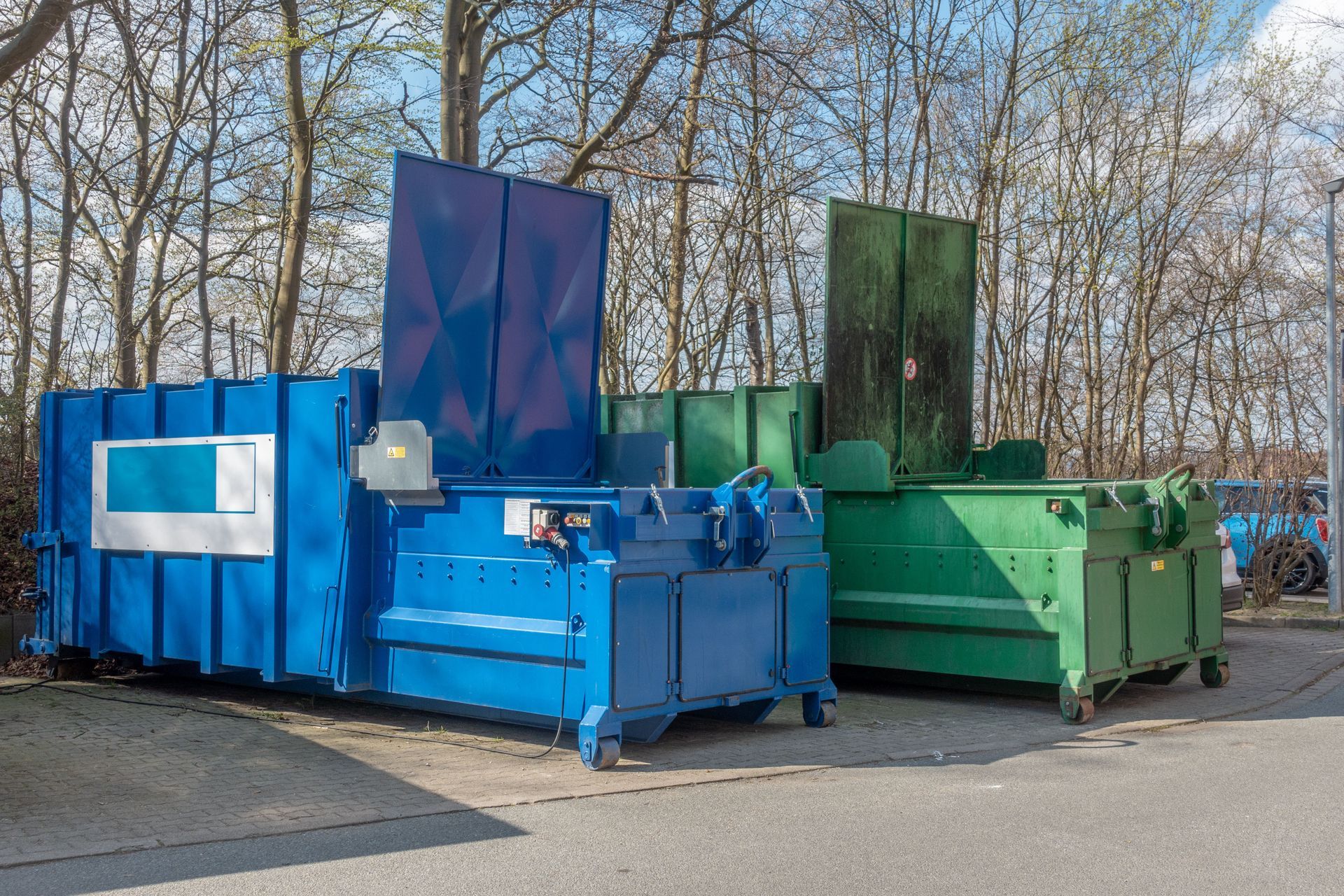
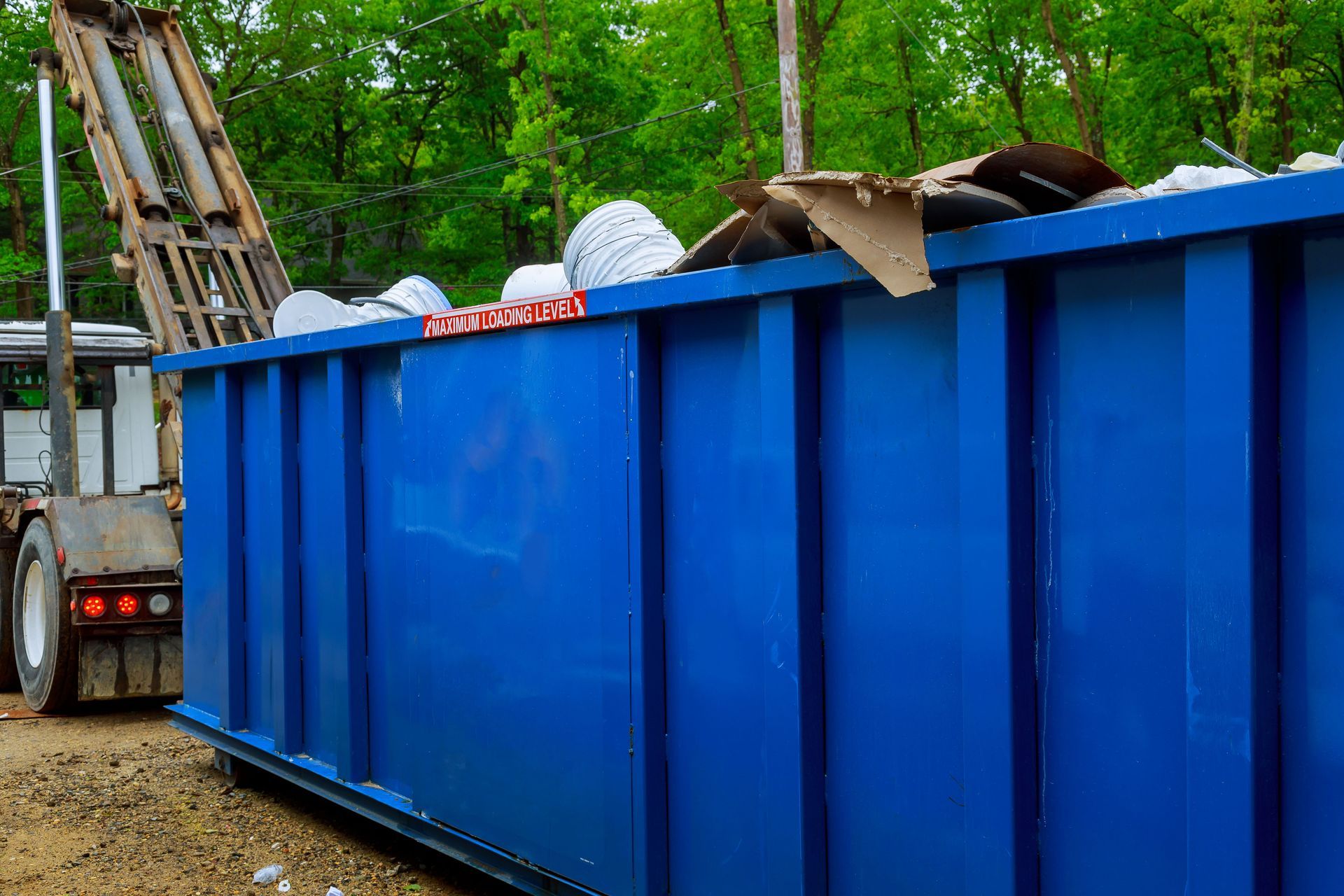
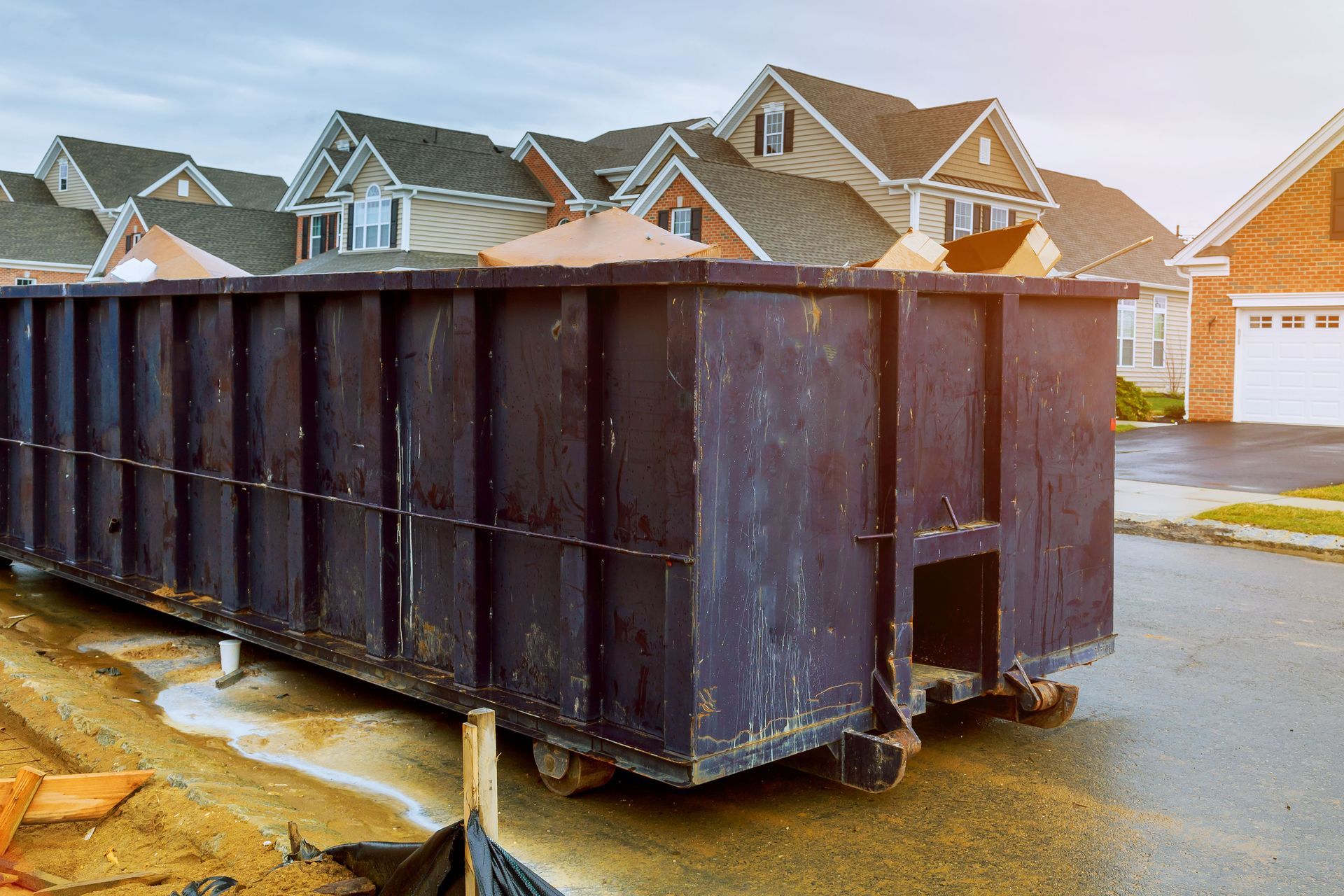
Managing waste is an important part of any construction, renovation, commercial, or property cleanup project. Without dependable waste collection, debris can accumulate quickly, creating safety concerns, scheduling delays, and unexpected expenses. Choosing the right dumpster rental provider helps keep projects organized while supporting responsible waste disposal. At Capital Industries, we understand the importance of reliable waste management for businesses, contractors, and property owners. From selecting containers to coordinating pickups, professional dumpster rental services simplify waste handling throughout a project. Understanding Your Dumpster Rental Options Different projects generate different amounts and types of waste. Understanding available container options ensures waste collection matches your project's requirements. Choosing the Appropriate Dumpster Type Roll-off dumpsters are commonly used for construction, demolition, renovation, and large cleanup projects. Their open-top design accommodates bulky materials and significant debris volumes. Front-load dumpsters are frequently used by businesses requiring ongoing waste collection. Compactors may also be appropriate for commercial operations generating substantial amounts of compressible waste. At Capital Industries, we recognize that choosing suitable waste collection equipment helps maintain efficient operations. Selecting the Appropriate Dumpster Size Dumpster sizes commonly range from 10 to 40 cubic yards, although availability varies. Smaller containers may accommodate limited renovation debris, while larger dumpsters suit substantial construction projects. An experienced dumpster rental provider can evaluate anticipated waste volume, material weight, and project duration to recommend a suitable container. Choosing the correct size helps prevent unnecessary expenses, overflowing containers, and interruptions caused by inadequate capacity. Understanding Rental Periods and Agreements Rental periods vary depending on the provider and project requirements. Some customers need containers for short-term cleanups, while others require extended rentals or ongoing collection services. Rental agreements should explain service duration, permitted materials, weight allowances, pickup arrangements, and potential additional charges. Understanding these terms helps customers establish realistic expectations and avoid complications. Evaluating Professional Dumpster Rental Services Selecting a dependable waste management company involves more than comparing container sizes. Reliability, communication, and responsible disposal practices contribute to a positive rental experience. Reviewing Experience and Reputation A company's experience with similar projects provides insight into its capabilities. Contractors, commercial property managers, and homeowners often have different waste collection requirements. Customer reviews, professional recommendations, and previous project experience can help identify companies with established service records. At Capital Industries, we believe understanding each customer's waste management needs is essential for dependable service. Reviewing Licensing and Insurance A professional dumpster rental provider should maintain applicable licenses, permits, and insurance coverage required for its operations. Requirements vary by location and the types of waste transported. Customers should confirm their selected company follows relevant transportation, disposal, and environmental regulations. Clear documentation and transparent service agreements help establish confidence before a rental begins. Reviewing Environmental Practices Responsible waste disposal is important considering the substantial volume of materials entering American landfills. According to the U.S. Environmental Protection Agency, approximately 146.1 million tons of municipal solid waste were landfilled in the United States in 2018. This statistic demonstrates the importance of responsible waste management and appropriate disposal practices. Customers should ask whether their selected company offers recycling options, follows disposal requirements, and explains restrictions on accepted materials. Reviewing Scheduling and Communication Reliable communication prevents waste collection from interfering with daily operations. Before selecting a company, customers should discuss delivery availability, collection schedules, service adjustments, and procedures for requesting additional pickups. Responsive customer support is valuable when construction schedules change or unexpected waste volumes arise. Planning Effective Waste Collection for Your Project Proper planning allows waste collection services to support project operations instead of becoming an additional logistical challenge. Assessing Waste Volume and Materials Before arranging service, customers should identify the types and quantities of waste their projects will generate. Construction debris, household junk, commercial packaging, and renovation materials may require different collection arrangements. A knowledgeable dumpster rental provider can assess these requirements and recommend appropriate equipment. Professional guidance is especially beneficial when projects involve heavy materials, bulky debris, or multiple waste streams. Coordinating Delivery and Collection Timely dumpster delivery allows waste collection to begin when needed. Scheduled pickups prevent containers from becoming overloaded or obstructing work areas. Customers should communicate expected project milestones and anticipated changes in waste generation. For ongoing projects, coordinated collection schedules maintain productivity and reduce interruptions. Determining Safe Container Placement Dumpster placement affects accessibility, site safety, and collection efficiency. Containers should be positioned where authorized collection vehicles can access them without interfering with operations. Placement considerations include available space, surface conditions, overhead obstructions, pedestrian movement, and local permitting requirements. Professional providers can help customers evaluate suitable placement arrangements before delivery. Coordinating Recycling Opportunities Certain projects generate recyclable materials, including cardboard, metal, and some construction debris. Recycling availability depends on local facilities, material conditions, and services offered by the waste management company. Customers interested in reducing landfill disposal should discuss accepted recyclable materials and collection options with their provider. Maintaining Safety and Regulatory Compliance Waste collection involves important safety considerations. Professional service coordination helps customers understand applicable restrictions while supporting safer project environments. Following Local Waste Disposal Regulations Waste management regulations may address container placement, transportation, prohibited materials, and disposal facility requirements. A qualified dumpster rental provider should understand the rules applicable to its operations and explain relevant customer responsibilities. Some projects require permits when dumpsters occupy public streets or other regulated spaces. Confirming these requirements before delivery helps prevent delays, additional expenses, and compliance concerns. Following Container Safety Requirements Overfilled dumpsters can create hazards during collection and transportation. Excessive weight may exceed equipment limitations or violate transportation requirements. Professional waste management companies establish container capacity guidelines and explain loading restrictions. Customers should contact their provider when waste volumes exceed initial expectations rather than allowing containers to become overloaded. Handling Hazardous Materials Appropriately Hazardous materials require special attention because ordinary dumpsters generally cannot accommodate many regulated substances. Certain chemicals, fuels, batteries, paints, and other potentially hazardous materials may require specialized collection or disposal arrangements. Customers should confirm prohibited materials before using a container. When specialized handling is necessary, an appropriately authorized waste management company should manage those materials. At Capital Industries, we encourage customers to clarify material restrictions before scheduling waste collection. Managing Dumpster Rental Costs Understanding rental expenses helps businesses and property owners plan waste management budgets accurately. Comparing Rental Prices and Services Dumpster rental pricing may depend on container size, rental duration, location, disposal fees, and material weight. When comparing estimates, customers should consider the complete service package rather than focusing exclusively on the initial quoted price. An established dumpster rental provider should explain included services and applicable charges before customers finalize arrangements. Understanding Potential Additional Fees Additional charges may apply when customers exceed weight allowances, extend rental periods, request extra pickups, or dispose of prohibited materials. Distance-related transportation costs and local disposal fees can also affect pricing. Reviewing these details before service begins helps customers make informed financial decisions and reduces unexpected expenses. Adjusting Services to Project Requirements Waste collection requirements can change as projects progress. A renovation may produce more debris than anticipated, while a commercial operation may experience seasonal fluctuations. Discussing changing needs with a professional provider helps determine whether different container sizes or collection frequencies would be appropriate. Flexible service arrangements support cost management without compromising collection reliability. Building a Reliable Waste Management Partnership Effective waste collection depends on consistent service, clear communication, and understanding customer expectations. Evaluating Service Performance After completing a project, customers can assess whether deliveries occurred as scheduled, containers met capacity requirements, and collection services supported operations. This evaluation identifies opportunities to improve waste management planning for future projects. Businesses requiring recurring service may benefit from periodically reviewing collection frequency and container capacity. Maintaining Long-Term Communication Establishing a professional relationship with a dependable dumpster rental provider can simplify future waste collection arrangements. Familiarity with a customer's operations may streamline scheduling discussions, equipment recommendations, and service adjustments. At Capital Industries, we understand that dependable waste management contributes to organized worksites, cleaner properties, and efficient business operations. Whether you're preparing for a renovation, coordinating construction debris removal, or managing ongoing commercial waste, professional assistance makes the process more manageable. Contact Capital Industries today to discuss your project requirements and learn more about available dumpster rental services. Our team can help you explore waste collection solutions that fit your needs.
dumpster rental provider
October 31, 2026
Simplify your cleanup with a trusted dumpster rental provider. Learn how to choose the right bin size, get local permits, and streamline your project
dumpster rental provider
October 24, 2026
Find the right dumpster rental provider for your project with tips on comparing pricing, container sizes, delivery options, and reliable customer service.
demolition service
October 23, 2026
Learn how proper commercial demolition service planning ensures site safety, hazardous material management, permit compliance, and timely project delivery.
October 22, 2026
Partnering with local demolition companies simplifies New York site prep, ensuring regulatory compliance, safety, and thorough waste management.
local dumpster services
September 5, 2026
Learn how local dumpster services simplify cleanup by providing convenient waste removal for home projects, renovations, cleanouts, and other jobs.
professional dumpster rental
August 28, 2026
Keep your job site clean and safe! A professional dumpster rental streamlines waste removal so your crew can focus on getting the job done.
dumpster rental company
August 25, 2026
Simplify your cleanup project! Partner with our dumpster rental company for fast delivery, versatile bin sizes, and transparent pricing.
dumpster rental provider
August 14, 2026
Searching for a dumpster rental provider guide? Read our blog to learn how strategic waste management keeps commercial renovations safe and on schedule.