
What Really Happens to Your Debris After a Professional Dumpster Rental
The journey your debris takes after being collected by a professional dumpster rental company is intricate, revealing layers of environmental considerations and waste management complexities. Understanding the ultimate fate of your waste can educate and empower you toward more sustainable practices. As debris makes its way from the rental site to its final destination, multiple factors, including sorting, recycling, and disposal methods, significantly impact our shared ecological footprint. Modern disposal systems depend on seamless logistics and precise handling to ensure that discarded materials are processed with maximum efficiency and minimal environmental disruption.
Every project generates waste that must be managed responsibly to avoid overburdening public municipal infrastructure. When property owners enlist professional hauling services, they set off a chain of events designed to protect surrounding ecosystems and maximize resource recovery. Specialized collection vehicles, advanced secondary processing plants, and strict adherence to environmental mandates all play vital roles in this unseen network. By examining each stage of the post-collection journey, you can better appreciate the value of professional waste management and how it supports broader community sustainability efforts.
Collecting and Loading Waste Efficiency
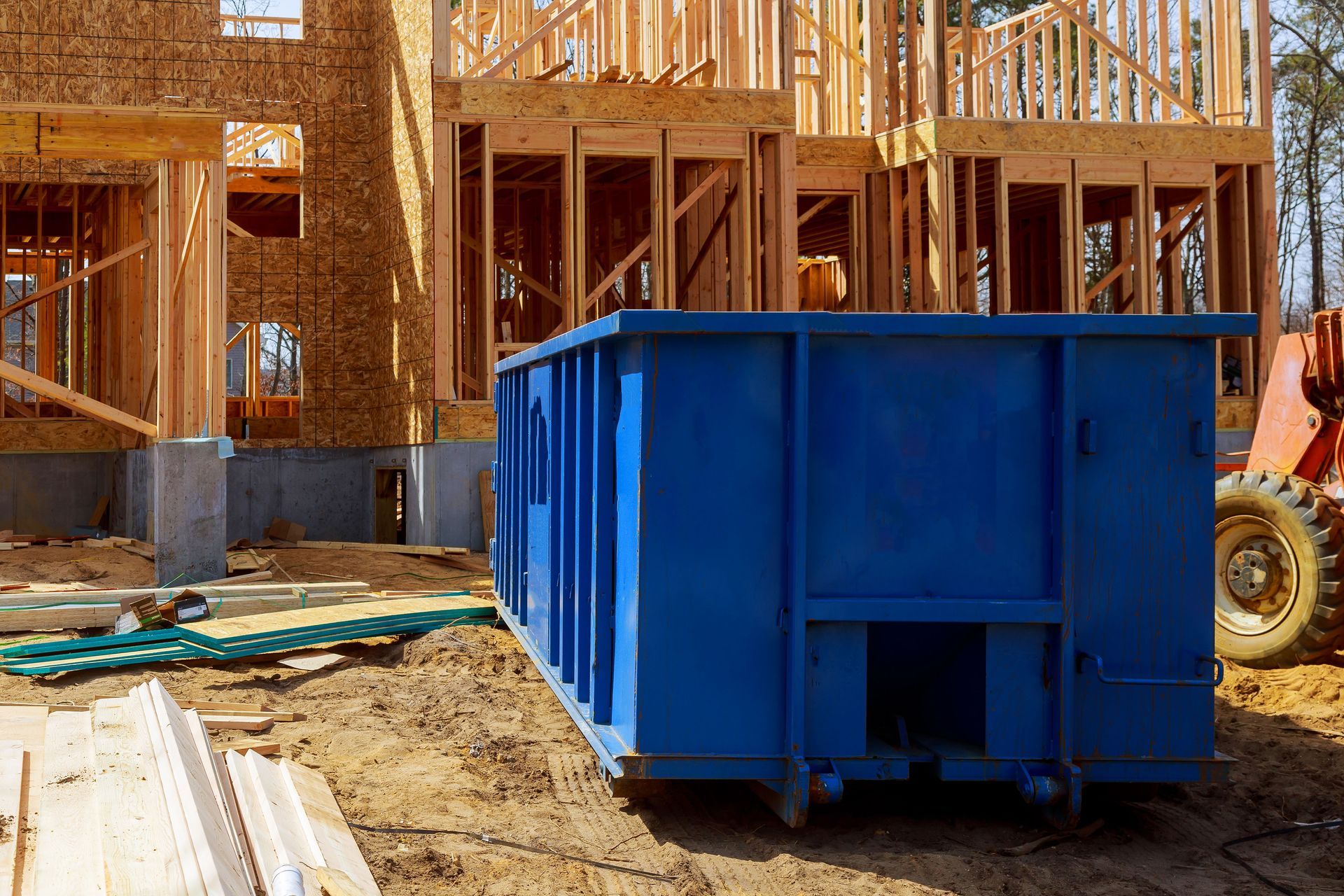
The initial phase of the waste management lifecycle relies on meticulous coordination during the placement, filling, and collection of heavy containment vessels. Dumpster rental companies enforce stringent safety protocols, including mandatory use of personal protective equipment and strict adherence to regulated operational procedures. Precautionary measures help avoid site accidents and minimize the risk of premature waste release during loading. Additionally, comprehensive safety training empowers field workers to handle potentially dangerous discarded items with extreme care. The overall commitment to operational safety ensures that the debris journey begins without incident or environmental disruption on your property.
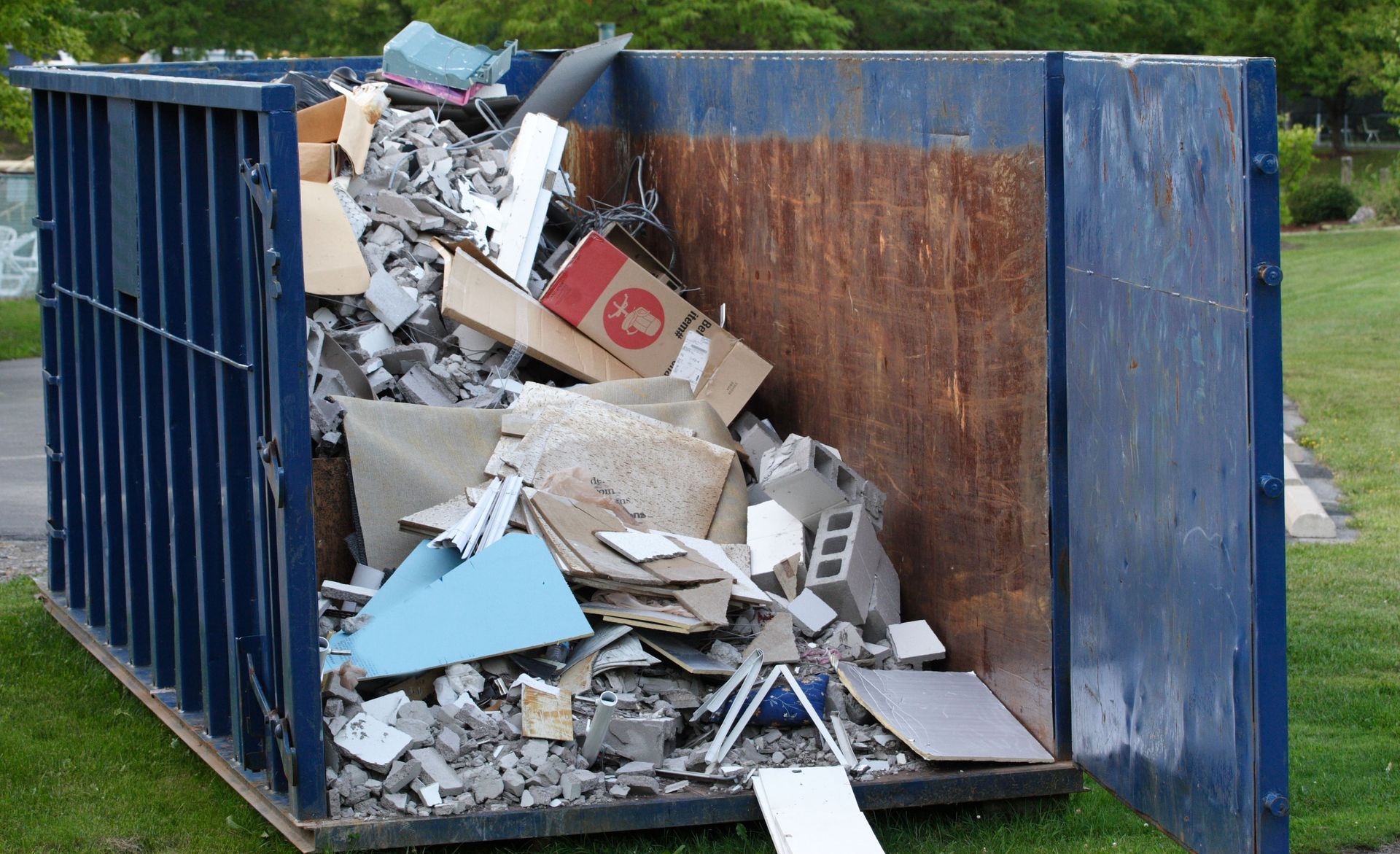
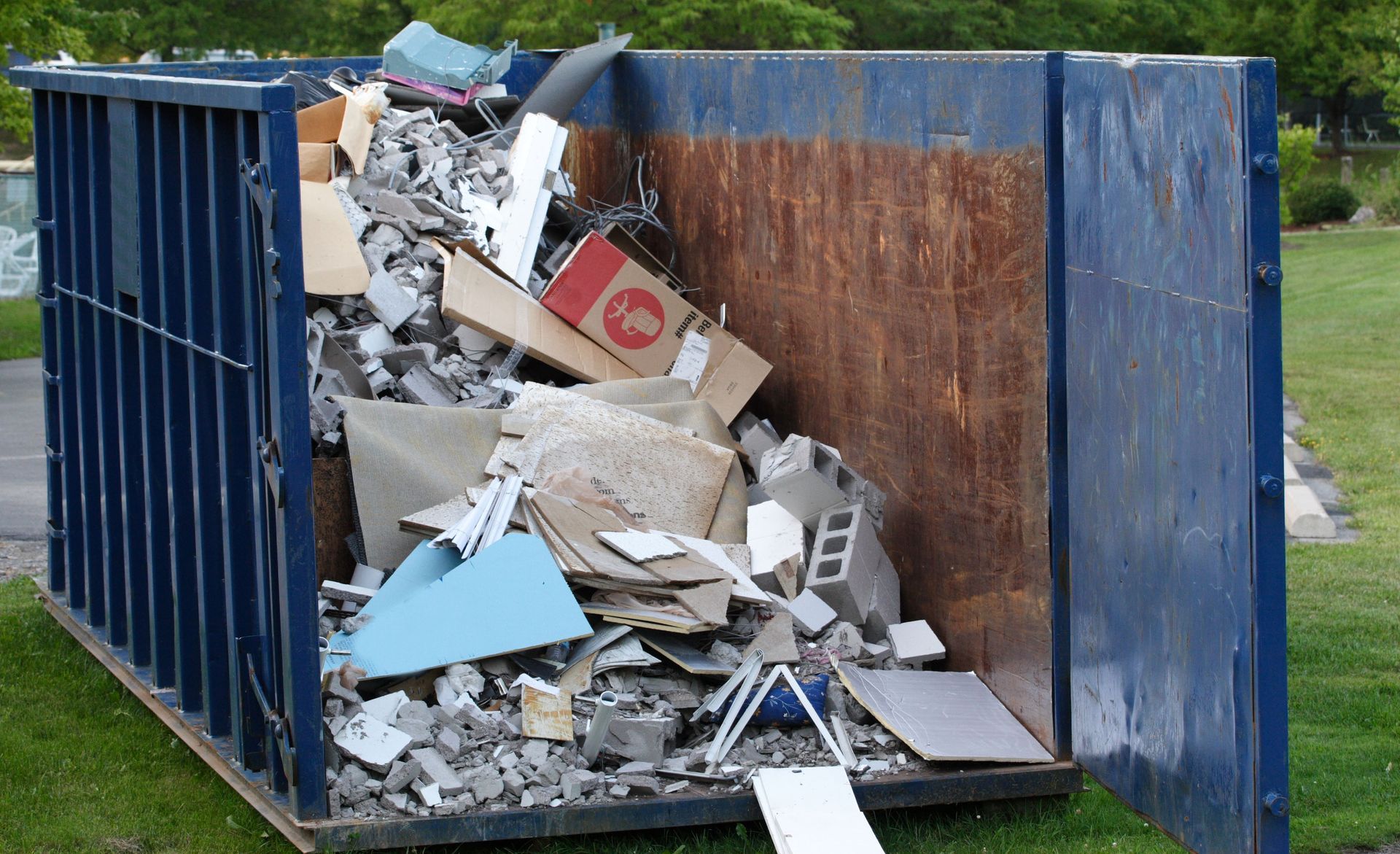
Timely scheduling and precise execution are equally vital to ensure that debris collection happens promptly and seamlessly. Waste collection coordinators work closely with clients to arrange services that adhere to tight project deadlines and strict site constraints. Professionals analyze the types of debris involved, which is essential as construction-related waste, especially from demolitions, forms 90% of construction waste streams according to ScienceDirect. The adeptness of rental companies in managing such high volumes of specific debris types contributes to smoother operations. Their goal is not only to accommodate clients' needs but also to align with governmental and environmental regulations.
Navigating Transit and Transport Logistics
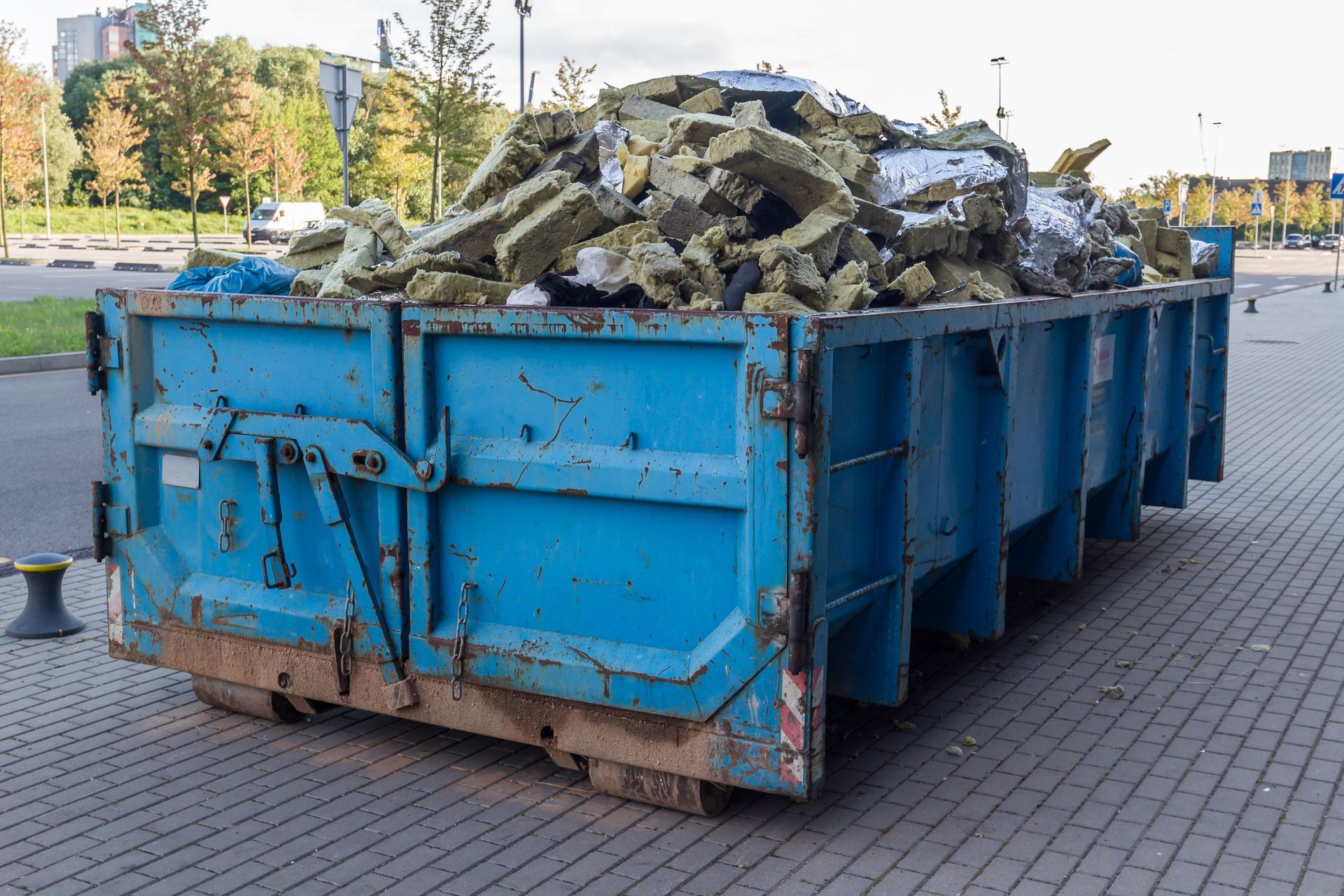
Transporting heavy loads from job sites to processing facilities requires specialized heavy-duty vehicles and carefully mapped routing strategies. Standard roll-off trucks are often employed for sizable containers, providing ease in transit for larger volumes of construction, renovation, and demolition debris. These industrial vehicles are designed for efficient maneuverability and secure containment, reducing the risk of spillage on public roads. Strategic planning of transit routes is an essential component of moving debris to its next destination, with logistics software identifying optimal pathways. This careful planning balances fuel consumption and strict delivery schedules while keeping transit emissions as low as possible.
Securing the load during transit is a primary responsibility, and operators utilize multiple structural mechanisms to prevent in-transit spillage. Heavy canvas tarps and automated hydraulic covers trap loose materials inside the bed, preventing lightweight debris from blowing into surrounding neighborhoods. Route planning also takes into account municipal traffic patterns and regional weight restrictions that affect heavy transport. Adherence to local, state, and federal transport rules demonstrates a commitment to public safety and prevents unnecessary roadway hazards. Minimizing overall travel distance between the collection point and the nearest processing plant further reduces the carbon footprint of the entire operation.
Sorting Operations at Secondary Facilities
Upon arrival at a centralized receiving plant, every container undergoes a comprehensive check-in and preliminary evaluation process. Tipping floors receive vast amounts of mixed materials, where heavy machinery and trained sorting staff immediately begin separating items by category. Mechanical shredders, magnetic separators, and automated screeners work together to break down massive piles into uniform material streams. This mechanical breakdown not only facilitates efficient recycling down the line but also prepares non-recyclable materials for ultimate safe disposal. Isolating different material types at this early stage prevents contamination and maximizes the volume of items diverted from local landfills.
Advanced technology plays an increasingly pivotal role in optimizing the accuracy and speed of modern material sorting plants. Optical sorting systems, automated robotics, and air-classifier technology rapidly identify and separate paper, metals, and various polymers. Hazardous materials discovered during the sorting process require immediate isolation and specialized handling protocols to protect facility staff and surrounding environments. Facility operators follow strict regulatory compliance rules when neutralizing or containing potentially dangerous substances. By combining high-tech automated machinery with expert manual oversight, processing facilities extract maximum value from items that were previously considered simple trash.
Processing Recyclables and Material Recovery
Once materials are separated into clean, uniform streams, they enter specialized recovery pipelines designed for their specific material composition. Scrap metals are crushed, baled, and sent to foundries to be melted down into raw industrial stock, while discarded concrete is crushed into aggregate for new construction foundations. Plastics and paper products undergo re-pulping or pelletizing processes that prepare them to become raw components for secondary manufacturing. Working with an established dumpster rental company ensures that your discarded structural components, metals, and clean fill enter these vital circular economy supply chains rather than needlessly taking up valuable space in a landfill.
Despite significant advances in recovery technology, the recycling industry faces ongoing challenges regarding material contamination and fluctuating market demand. When non-recyclable items are mixed into clean recyclable batches, entire loads can be ruined and rendered unfit for processing. Overcoming these operational hurdles requires continuous public education alongside strategic investments in processing infrastructure. The environmental benefits of successful material recovery are substantial, as re-using existing resources consumes vastly less energy than extracting raw virgin materials. Diverting thousands of tons of scrap from landfills protects natural habitats and significantly reduces industrial greenhouse emissions over time.
Managing Non-Recyclable Material Disposal
Inevitably, certain non-recyclable materials and contaminated debris cannot be repurposed and must enter permanent disposal pathways. Modern landfills are highly engineered containment facilities lined with thick synthetic membranes and dense clay barriers to protect regional groundwater from contamination. Leachate collection systems pump liquid runoff out of the landfill cell for specialized treatment, while methane gas capture networks convert decomposition gases into usable electricity. Choosing a reputable dumpster rental company guarantees that your non-recyclable waste is transported exclusively to fully licensed, environmentally compliant disposal facilities that strictly follow state regulations.
In some regions, waste-to-energy incineration facilities serve as an alternative to traditional landfill disposal for non-recyclable debris. Burning solid waste at ultra-high temperatures dramatically reduces its overall volume while generating thermal energy that powers industrial turbines. Modern incinerators utilize advanced scrubbers and filtration systems to trap airborne pollutants before gases are released into the atmosphere. Government regulations strictly govern both incineration and landfilling to safeguard public health and preserve natural resources. As waste management technologies evolve, new biological treatment methods and engineered cover systems continue to lessen the long-term ecological impacts of final waste disposal.
Expanding Future Sustainability Initiatives
Looking toward the future, technological advancements and evolving regulatory frameworks promise to revolutionize how solid waste is managed globally. Artificial intelligence, smart container sensors, and blockchain-based waste tracking are creating unprecedented transparency across the entire supply chain. At the same time, governments are implementing stricter diversion targets and extended producer responsibility laws that incentivize zero-waste construction methods. Working with a forward-thinking dumpster rental company allows residential and commercial property owners to align their projects with modern environmental standards while actively supporting local waste reduction goals.
Ultimately, long-term environmental protection depends on a shared commitment between service providers, municipalities, and the public. As consumer awareness grows, property owners are taking greater responsibility for the volume and composition of the waste their projects generate. Sustainable disposal choices made today help protect regional ecosystems, preserve finite natural resources, and ensure a cleaner environment for future generations. If you are preparing to tackle a major cleanout, renovation, or construction project, partner with Capital Industries as the premier
dumpster rental company to ensure your debris is handled efficiently, safely, and responsibly from start to finish.
Share On: