The Secret World of Modern Garbage Collection Services

November 20, 2026

Proper waste management plays an important role in protecting the environment and maintaining healthy communities. Every day, households and businesses produce waste that must be handled responsibly to prevent pollution and reduce its impact on natural resources. Reliable garbage collection helps keep unwanted materials out of streets, waterways, and natural habitats while supporting cleaner neighborhoods and more sustainable waste management practices.


Beyond keeping communities clean, organized waste removal helps reduce environmental hazards, conserve resources, and limit the amount of material sent to landfills. When waste is collected and transported through established systems, recyclable and reusable materials can be separated from general trash. These efforts contribute to a healthier environment and help communities manage growing waste demands.


Reducing Pollution in Communities

One of the most noticeable environmental benefits of garbage collection is the reduction of pollution in residential and commercial areas. When trash accumulates in public spaces, vacant lots, and along roadways, it can spread into nearby soil and water sources. Plastic packaging, food waste, and other discarded materials can create environmental hazards when left unattended.


Consistent garbage collection prevents trash from accumulating in public areas. It also reduces the likelihood that wind and rain will carry litter into storm drains, streams, and rivers. Keeping communities clean helps protect local ecosystems while reducing unpleasant odors and pest problems.


Protecting Waterways and Natural Habitats

Improperly discarded waste can have serious consequences for aquatic environments. Plastic bags, bottles, food containers, and other materials can enter waterways when trash is left exposed outdoors. Once these items reach rivers, lakes, and oceans, they can threaten wildlife through ingestion or entanglement.


Organized waste removal helps prevent discarded materials from accumulating near drainage systems, wetlands, and other environmentally sensitive areas. Wildlife benefits when natural habitats remain free from unnecessary waste, allowing animals to feed, move, and nest without encountering discarded materials. Regular garbage collection also helps limit the amount of litter that can spread into surrounding natural spaces.


Supporting Recycling and Resource Conservation

Many materials found in everyday waste still have value after their original purpose has been fulfilled. Paper, cardboard, glass, metals, and certain plastics can often be processed and used to manufacture new products. Collecting these materials through organized waste management systems gives them an opportunity to be recycled instead of discarded.


According to Florida Tech, a modern glass bottle buried in a landfill will take an astonishing 4,000 years or longer to completely decompose. This demonstrates why recycling and responsible disposal are important for reducing long-term waste accumulation. Recovering reusable materials can also decrease the demand for newly extracted natural resources.


Recycling may also reduce the energy required to manufacture certain products. Using recovered materials can limit the need for some resource-intensive manufacturing processes. Reliable waste management services help make recovery efforts more practical for households and businesses, while responsible garbage collection helps ensure recyclable materials reach appropriate facilities.

Reducing Pressure on Landfills

Landfills provide an important disposal option for waste that cannot be reused or recycled, but their capacity is not unlimited. As communities produce more trash, existing facilities must accommodate increasing amounts of material. Expanding landfill capacity can require additional land and create environmental concerns for surrounding areas.


Responsible garbage collection helps communities manage waste more efficiently by supporting sorting, recycling, and appropriate disposal. When recoverable materials are diverted from landfills, less trash needs to be buried. This can extend the usable life of disposal facilities and reduce the demand for additional landfill space.


Landfills can also produce methane as organic materials decompose. Methane is a greenhouse gas that contributes to climate change. Diverting suitable organic waste through composting and other recovery programs can help reduce the amount of biodegradable material entering landfills.


Limiting Harmful Waste Exposure

Some discarded materials contain substances that can damage the environment if handled improperly. Batteries, electronic equipment, household chemicals, and certain commercial products may create contamination risks for soil and groundwater. These materials often require specialized handling and disposal.


Professional waste management systems help ensure collected materials reach appropriate processing or disposal facilities. Following proper disposal requirements is especially important for businesses that generate larger quantities of waste or handle regulated materials. Organized removal also reduces the risk of people and animals encountering hazardous discarded items.


Supporting Cleaner and Healthier Neighborhoods

Clean neighborhoods benefit both the environment and the people who live and work there. Overflowing trash containers and scattered litter can create sanitation concerns and make public spaces less appealing. Regular waste removal helps prevent these conditions and supports healthier surroundings.


Reliable garbage collection services are particularly valuable in commercial districts, apartment buildings, restaurants, and other locations that generate substantial amounts of waste. Without dependable disposal services, trash can accumulate quickly and create problems for nearby residents and businesses.


Cleaner surroundings can also encourage greater community involvement in environmental protection. Residents and business owners may become more motivated to use designated disposal areas, participate in recycling programs, and avoid littering. These collective efforts help establish better waste management habits and reinforce the importance of responsible disposal.


Helping Reduce Greenhouse Gas Emissions

Waste management is connected to climate change because collecting, transporting, processing, and disposing of materials can produce greenhouse gas emissions. Landfills are a particular concern because decomposing organic materials can release methane. Reducing unnecessary landfill waste can support broader environmental goals.

Recycling and material recovery can also reduce emissions associated with manufacturing. When usable materials are recovered, manufacturers may rely less on extracting and processing new raw materials. Efficient collection routes can further reduce unnecessary transportation and fuel consumption.


By prioritizing recycling and responsible disposal, communities can make meaningful progress toward reducing their environmental footprint. An organized garbage collection system supports these efforts by ensuring waste is transported to appropriate destinations rather than left to accumulate.


Encouraging Sustainable Business Practices

Businesses produce many types of waste, including packaging, office materials, food scraps, and discarded equipment. Managing these materials responsibly is important because commercial waste can accumulate quickly without an organized disposal plan. Consistent collection services help businesses maintain cleaner properties and support applicable waste management requirements.


Separating recyclable items, managing packaging waste, and arranging appropriate disposal for different materials can improve resource efficiency. Working with a dependable waste management provider makes these practices easier to maintain. A structured approach helps businesses reduce environmental risks while keeping their properties organized.


Building More Sustainable Communities

Environmental protection requires participation from residents, businesses, waste management providers, and local governments. Each group has a role in reducing unnecessary waste and ensuring discarded materials are handled responsibly. Reliable collection services provide an important foundation for these efforts.


When communities combine regular disposal with recycling and material recovery, they can reduce pollution, conserve natural resources, and protect wildlife. Consistent waste management also helps maintain cleaner public spaces and healthier ecosystems. These efforts contribute to a more sustainable environment over time.


Choosing Responsible Waste Management Services

Choosing an experienced waste management provider is an important part of maintaining clean and environmentally responsible properties. Dependable service ensures waste is removed consistently and transported to appropriate disposal facilities. Whether managing residential, commercial, or industrial waste, an organized collection system supports cleaner surroundings.


Professional garbage collection also gives property owners and businesses a dependable way to manage ongoing disposal needs. With consistent service, waste is less likely to accumulate and create unnecessary environmental concerns. Choosing an established provider can make responsible waste management easier to maintain throughout the year.


Capital Industries provides waste management solutions to help customers handle their disposal needs. Contact Capital Industries to learn more about available services and find a dependable approach to managing waste. Reliable garbage collection is a practical investment in cleaner properties, healthier communities, and a more sustainable environment.
local dumpster services
November 19, 2026
Overflowing trash cans, bulky debris, and endless dump runs slow cleanups. Discover six major projects made easy with local dumpster services.
dumpster service
November 12, 2026
Learn what to consider when selecting a dumpster size from a dumpster service, including project scope, waste volume, available space, and scheduling needs.
November 7, 2026
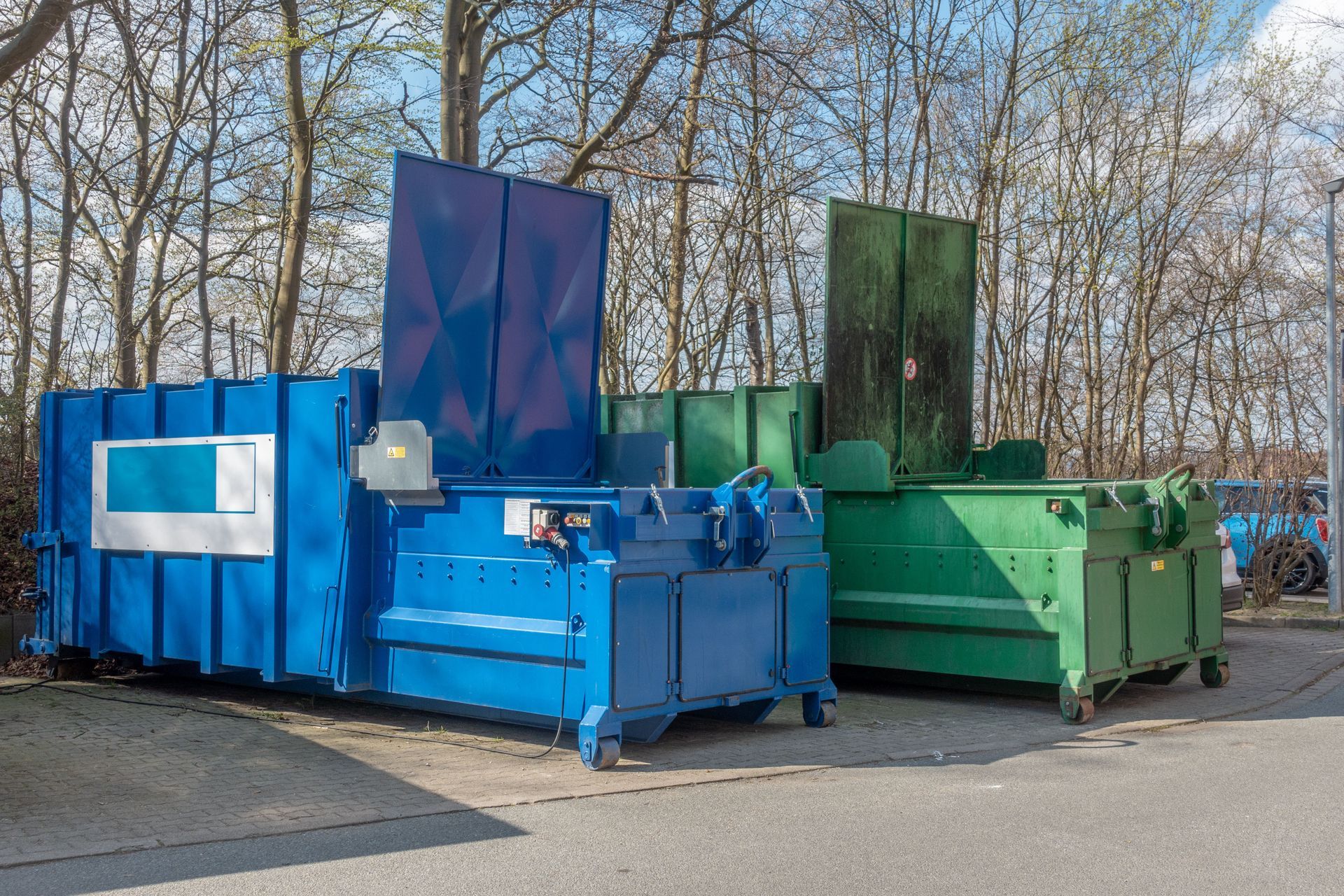
Managing waste is an important part of any construction, renovation, commercial, or property cleanup project. Without dependable waste collection, debris can accumulate quickly, creating safety concerns, scheduling delays, and unexpected expenses. Choosing the right dumpster rental provider helps keep projects organized while supporting responsible waste disposal. At Capital Industries, we understand the importance of reliable waste management for businesses, contractors, and property owners. From selecting containers to coordinating pickups, professional dumpster rental services simplify waste handling throughout a project. Understanding Your Dumpster Rental Options Different projects generate different amounts and types of waste. Understanding available container options ensures waste collection matches your project's requirements. Choosing the Appropriate Dumpster Type Roll-off dumpsters are commonly used for construction, demolition, renovation, and large cleanup projects. Their open-top design accommodates bulky materials and significant debris volumes. Front-load dumpsters are frequently used by businesses requiring ongoing waste collection. Compactors may also be appropriate for commercial operations generating substantial amounts of compressible waste. At Capital Industries, we recognize that choosing suitable waste collection equipment helps maintain efficient operations. Selecting the Appropriate Dumpster Size Dumpster sizes commonly range from 10 to 40 cubic yards, although availability varies. Smaller containers may accommodate limited renovation debris, while larger dumpsters suit substantial construction projects. An experienced dumpster rental provider can evaluate anticipated waste volume, material weight, and project duration to recommend a suitable container. Choosing the correct size helps prevent unnecessary expenses, overflowing containers, and interruptions caused by inadequate capacity. Understanding Rental Periods and Agreements Rental periods vary depending on the provider and project requirements. Some customers need containers for short-term cleanups, while others require extended rentals or ongoing collection services. Rental agreements should explain service duration, permitted materials, weight allowances, pickup arrangements, and potential additional charges. Understanding these terms helps customers establish realistic expectations and avoid complications. Evaluating Professional Dumpster Rental Services Selecting a dependable waste management company involves more than comparing container sizes. Reliability, communication, and responsible disposal practices contribute to a positive rental experience. Reviewing Experience and Reputation A company's experience with similar projects provides insight into its capabilities. Contractors, commercial property managers, and homeowners often have different waste collection requirements. Customer reviews, professional recommendations, and previous project experience can help identify companies with established service records. At Capital Industries, we believe understanding each customer's waste management needs is essential for dependable service. Reviewing Licensing and Insurance A professional dumpster rental provider should maintain applicable licenses, permits, and insurance coverage required for its operations. Requirements vary by location and the types of waste transported. Customers should confirm their selected company follows relevant transportation, disposal, and environmental regulations. Clear documentation and transparent service agreements help establish confidence before a rental begins. Reviewing Environmental Practices Responsible waste disposal is important considering the substantial volume of materials entering American landfills. According to the U.S. Environmental Protection Agency, approximately 146.1 million tons of municipal solid waste were landfilled in the United States in 2018. This statistic demonstrates the importance of responsible waste management and appropriate disposal practices. Customers should ask whether their selected company offers recycling options, follows disposal requirements, and explains restrictions on accepted materials. Reviewing Scheduling and Communication Reliable communication prevents waste collection from interfering with daily operations. Before selecting a company, customers should discuss delivery availability, collection schedules, service adjustments, and procedures for requesting additional pickups. Responsive customer support is valuable when construction schedules change or unexpected waste volumes arise. Planning Effective Waste Collection for Your Project Proper planning allows waste collection services to support project operations instead of becoming an additional logistical challenge. Assessing Waste Volume and Materials Before arranging service, customers should identify the types and quantities of waste their projects will generate. Construction debris, household junk, commercial packaging, and renovation materials may require different collection arrangements. A knowledgeable dumpster rental provider can assess these requirements and recommend appropriate equipment. Professional guidance is especially beneficial when projects involve heavy materials, bulky debris, or multiple waste streams. Coordinating Delivery and Collection Timely dumpster delivery allows waste collection to begin when needed. Scheduled pickups prevent containers from becoming overloaded or obstructing work areas. Customers should communicate expected project milestones and anticipated changes in waste generation. For ongoing projects, coordinated collection schedules maintain productivity and reduce interruptions. Determining Safe Container Placement Dumpster placement affects accessibility, site safety, and collection efficiency. Containers should be positioned where authorized collection vehicles can access them without interfering with operations. Placement considerations include available space, surface conditions, overhead obstructions, pedestrian movement, and local permitting requirements. Professional providers can help customers evaluate suitable placement arrangements before delivery. Coordinating Recycling Opportunities Certain projects generate recyclable materials, including cardboard, metal, and some construction debris. Recycling availability depends on local facilities, material conditions, and services offered by the waste management company. Customers interested in reducing landfill disposal should discuss accepted recyclable materials and collection options with their provider. Maintaining Safety and Regulatory Compliance Waste collection involves important safety considerations. Professional service coordination helps customers understand applicable restrictions while supporting safer project environments. Following Local Waste Disposal Regulations Waste management regulations may address container placement, transportation, prohibited materials, and disposal facility requirements. A qualified dumpster rental provider should understand the rules applicable to its operations and explain relevant customer responsibilities. Some projects require permits when dumpsters occupy public streets or other regulated spaces. Confirming these requirements before delivery helps prevent delays, additional expenses, and compliance concerns. Following Container Safety Requirements Overfilled dumpsters can create hazards during collection and transportation. Excessive weight may exceed equipment limitations or violate transportation requirements. Professional waste management companies establish container capacity guidelines and explain loading restrictions. Customers should contact their provider when waste volumes exceed initial expectations rather than allowing containers to become overloaded. Handling Hazardous Materials Appropriately Hazardous materials require special attention because ordinary dumpsters generally cannot accommodate many regulated substances. Certain chemicals, fuels, batteries, paints, and other potentially hazardous materials may require specialized collection or disposal arrangements. Customers should confirm prohibited materials before using a container. When specialized handling is necessary, an appropriately authorized waste management company should manage those materials. At Capital Industries, we encourage customers to clarify material restrictions before scheduling waste collection. Managing Dumpster Rental Costs Understanding rental expenses helps businesses and property owners plan waste management budgets accurately. Comparing Rental Prices and Services Dumpster rental pricing may depend on container size, rental duration, location, disposal fees, and material weight. When comparing estimates, customers should consider the complete service package rather than focusing exclusively on the initial quoted price. An established dumpster rental provider should explain included services and applicable charges before customers finalize arrangements. Understanding Potential Additional Fees Additional charges may apply when customers exceed weight allowances, extend rental periods, request extra pickups, or dispose of prohibited materials. Distance-related transportation costs and local disposal fees can also affect pricing. Reviewing these details before service begins helps customers make informed financial decisions and reduces unexpected expenses. Adjusting Services to Project Requirements Waste collection requirements can change as projects progress. A renovation may produce more debris than anticipated, while a commercial operation may experience seasonal fluctuations. Discussing changing needs with a professional provider helps determine whether different container sizes or collection frequencies would be appropriate. Flexible service arrangements support cost management without compromising collection reliability. Building a Reliable Waste Management Partnership Effective waste collection depends on consistent service, clear communication, and understanding customer expectations. Evaluating Service Performance After completing a project, customers can assess whether deliveries occurred as scheduled, containers met capacity requirements, and collection services supported operations. This evaluation identifies opportunities to improve waste management planning for future projects. Businesses requiring recurring service may benefit from periodically reviewing collection frequency and container capacity. Maintaining Long-Term Communication Establishing a professional relationship with a dependable dumpster rental provider can simplify future waste collection arrangements. Familiarity with a customer's operations may streamline scheduling discussions, equipment recommendations, and service adjustments. At Capital Industries, we understand that dependable waste management contributes to organized worksites, cleaner properties, and efficient business operations. Whether you're preparing for a renovation, coordinating construction debris removal, or managing ongoing commercial waste, professional assistance makes the process more manageable. Contact Capital Industries today to discuss your project requirements and learn more about available dumpster rental services. Our team can help you explore waste collection solutions that fit your needs.
demolition
November 6, 2026
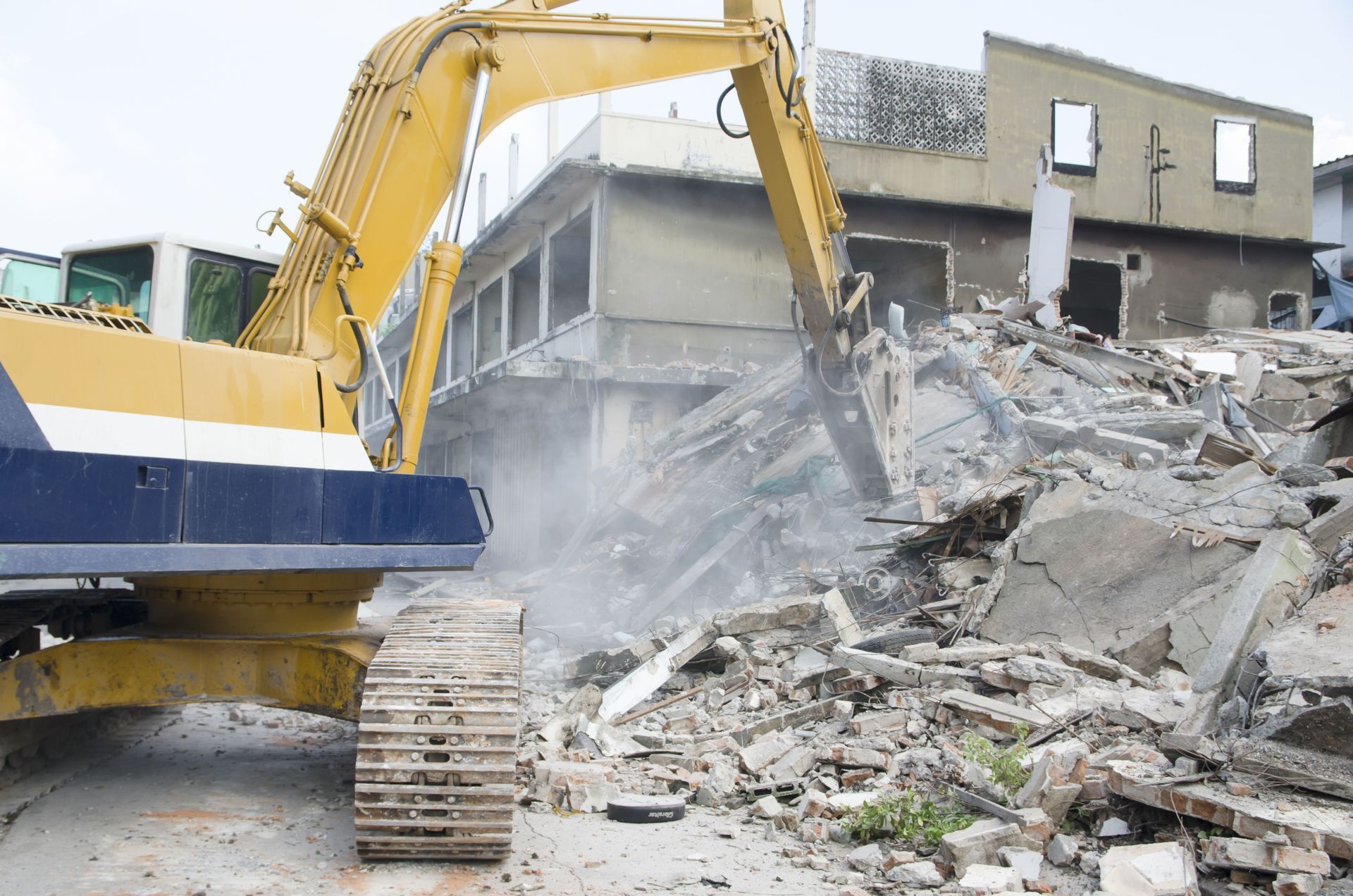
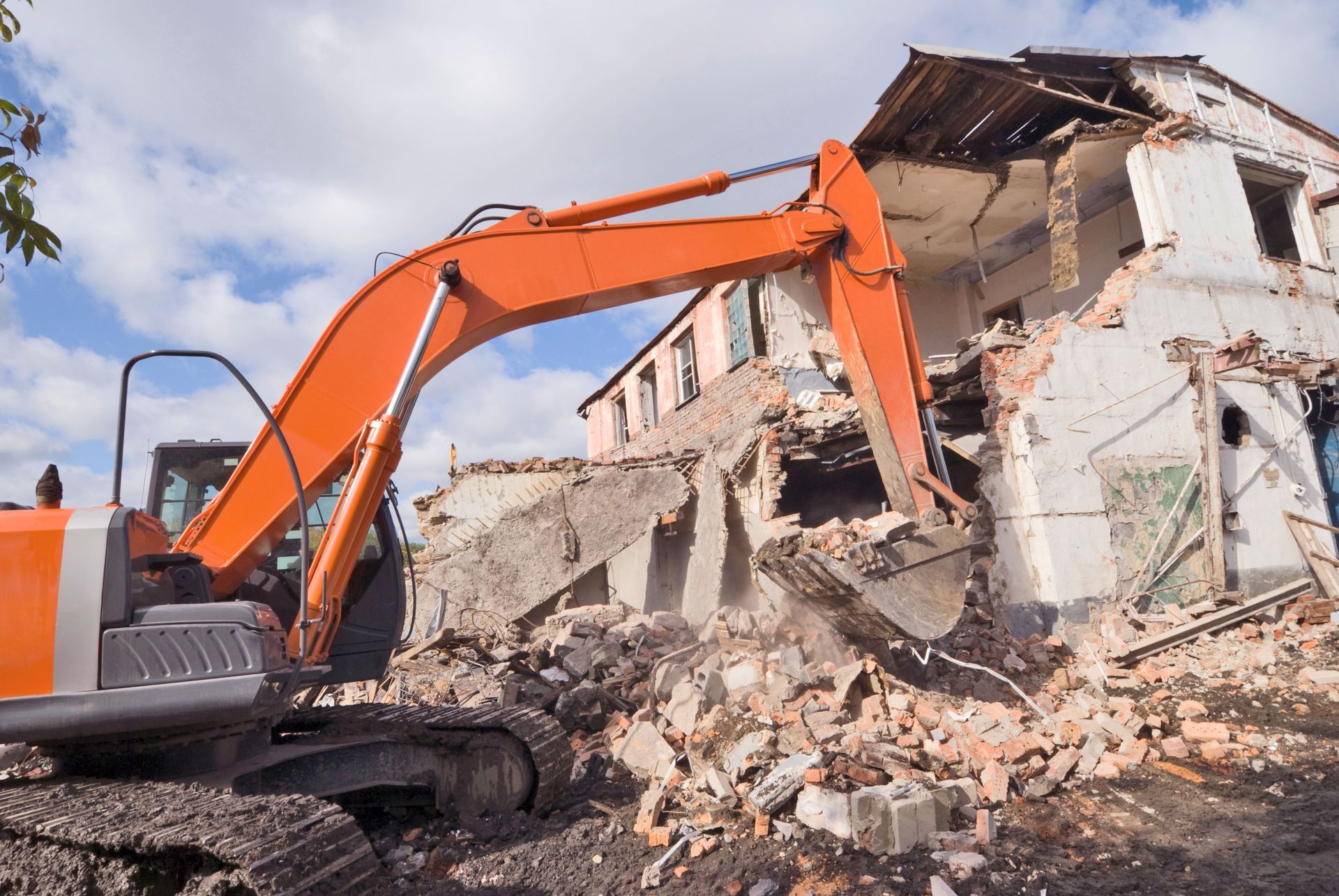
Read our blog to discover how to prepare for demolition and debris removal. If you're looking for expert demolition services, call our team!
dumpster rental provider
October 31, 2026
Simplify your cleanup with a trusted dumpster rental provider. Learn how to choose the right bin size, get local permits, and streamline your project
dumpster rental provider
October 24, 2026
Find the right dumpster rental provider for your project with tips on comparing pricing, container sizes, delivery options, and reliable customer service.
demolition service
October 23, 2026
Learn how proper commercial demolition service planning ensures site safety, hazardous material management, permit compliance, and timely project delivery.
October 22, 2026
Partnering with local demolition companies simplifies New York site prep, ensuring regulatory compliance, safety, and thorough waste management.
local dumpster services
September 5, 2026
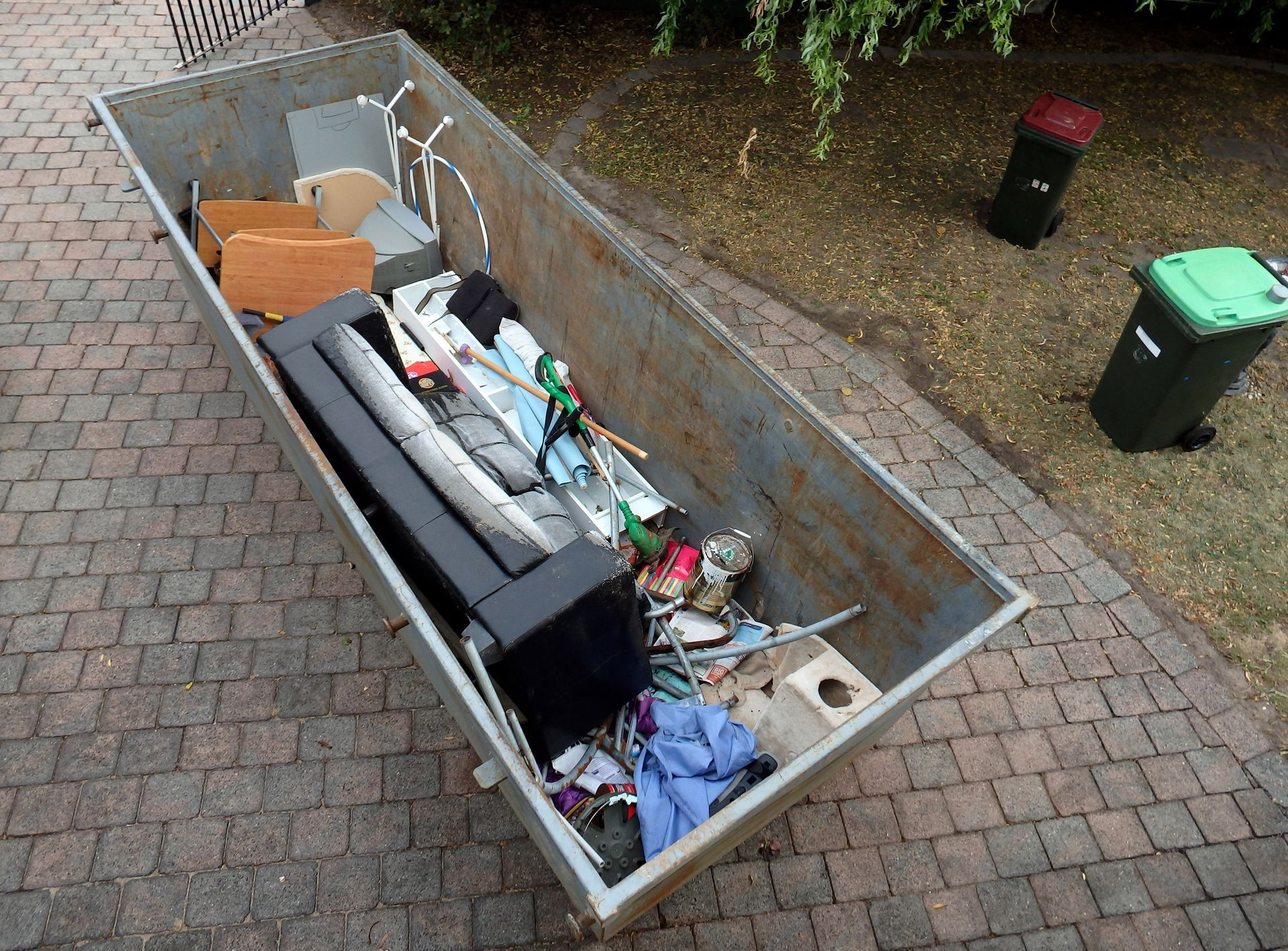
Learn how local dumpster services simplify cleanup by providing convenient waste removal for home projects, renovations, cleanouts, and other jobs.
professional dumpster rental
August 28, 2026
Keep your job site clean and safe! A professional dumpster rental streamlines waste removal so your crew can focus on getting the job done.