
What to Expect Before a Building Demolition in New York
Executing a building demolition in New York involves a meticulously coordinated process, driven by the city's dense urban footprint and stringent municipal regulations. From towering commercial high-rises to centuries-old residential brownstones, every structure presents unique engineering, environmental, and legal challenges. Successfully preparing for structural removal requires navigating strict permitting procedures, conducting hazardous material assessments, selecting licensed contractors, and maintaining open lines of communication with local communities. Understanding what to expect during the pre-demolition phase ensures that your project proceeds safely, remains environmentally compliant, and stays on schedule from initial site survey to final clearance.
com
Navigating Strict Legal and Permitting Frameworks
Executing a building demolition in New York requires navigating a dense matrix of municipal regulations, building codes, and legal requirements. Before heavy machinery arrives on site, project managers must secure official demolition permits from the Department of Buildings. Obtaining these permits involves submitting architectural plans, structural engineering reports, and detailed public safety measures. Failing to secure appropriate authorization leads to immediate stop-work orders, steep administrative fines, and severe legal delays.
Environmental compliance represents another critical layer of pre-demolition preparation across all five boroughs. According to ScienceDirect, the demolition of old buildings and structures accounts for a massive 90% of all construction-related waste stream debris. Managing this vast volume of material requires strict adherence to environmental regulations regarding dust suppression, noise mitigation, and refuse disposal. Partnering with experienced local demolition companies ensures that developers draft compliant waste management plans and satisfy all municipal environmental mandates prior to starting work.
Historical preservation laws also dictate how older structures across New York must be handled before structural removal. The Landmarks Preservation Commission oversees historically significant buildings, requiring specialized review processes or adaptive reuse evaluations before granting approval. Furthermore, project safety frameworks must align with federal Occupational Safety and Health Administration standards, ensuring that fall protection, personal protective gear, and worker safety protocols are fully operational before site activity begins.
Evaluating and Selecting Qualified Demolition Contractors
Choosing the right contractor is essential for ensuring that a complex urban demolition proceeds safely, efficiently, and on budget. Vetting prospective firms begins with evaluating their direct technical experience with similar structural types and urban density levels. Top-tier local demolition companies possess the specialized equipment and engineering expertise required to dismantle multi-story steel structures, masonry buildings, and concrete foundations without disturbing adjacent properties.
Verifying valid state licenses, specialized certifications, and active insurance coverage is a non-negotiable step during contractor selection. Comprehensive general liability and workers' compensation coverage shield property owners from financial liabilities associated with accidental property damage or job site injuries. Reviewing past project portfolios and speaking with former clients provides valuable insight into a contractor's operational reliability, safety track record, and ability to meet strict deadlines.
A transparent pricing structure and a clear contract are equally vital during the selection process. Detailed bid estimates should outline costs for labor, heavy equipment usage, hazardous material abatement, site security, and debris carting. Experienced local demolition companies provide itemized proposals and clear contract terms that spell out project milestones, payment schedules, and dispute resolution procedures, establishing a transparent working relationship from day one.
Executing Thorough Pre-Demolition Assessments
Before physical dismantling begins, certified engineers perform comprehensive structural surveys to analyze the building's structural integrity and load-bearing dynamics. These engineering evaluations identify vulnerable structural elements and dictate the specific equipment, bracing systems, and dismantling sequences required. Thorough surveys prevent unplanned structural collapses that could compromise worker safety or damage neighboring real estate.
Testing for hazardous materials—specifically asbestos, lead paint, and polychlorinated biphenyls—is a critical legal requirement in pre-demolition planning. Certified abatement specialists collect material samples across the building, identifying toxic substances that must be contained and removed before general structural demolition begins. Safely sealing and disposing of asbestos prevents hazardous airborne fibers from contaminating dense urban neighborhoods during structural tearing.
Safely disconnecting municipal utilities is another essential prerequisite before physical site work begins. Project managers coordinate with local utility providers to shut off and cap gas lines, electrical feeds, water mains, and telecommunications cables. Experienced local demolition companies synchronize these disconnections carefully to prevent accidental gas leaks, main bursts, or electrical fires, ensuring the site is completely cold and safe for heavy machinery operators.
Coordinating with Stakeholders and Surrounding Communities
Open communication with municipal authorities and nearby property owners is crucial for managing expectations and maintaining public safety. Engaging early with municipal building officials and local community boards helps address neighborhood concerns regarding construction noise, dust control, and heavy traffic patterns. Establishing positive working relationships with local boards streamlines project reviews and fosters community goodwill.
Notifying neighboring residents and business owners well before demolition commences reflects professional courtesy and reduces public friction. Providing formal notifications detailing work schedules, anticipated noise levels, street closures, and dust mitigation measures allows neighbors to adjust their daily routines. Maintaining clear communication channels enables project managers to resolve neighborhood complaints quickly before they escalate into formal disputes.
Project managers must also coordinate directly with municipal emergency services, including local fire departments, police precincts, and emergency medical teams. Sharing project timelines, site access points, and emergency contact details ensures that first responders can react swiftly if an unexpected incident occurs on site. Proactive stakeholder engagement minimizes community disruption and reinforces public safety throughout the project lifecycle.
Applying Controlled Demolition Techniques and Safety Measures
Executing a demolition in a dense urban environment requires precise engineering techniques and strict physical safety measures. Project managers erect protective sidewalk sheds, heavy perimeter fencing, and containment netting to shield pedestrians and passing traffic from falling debris. Continuous water misting systems are deployed throughout the site to knock down airborne dust particles and preserve ambient air quality for surrounding blocks.
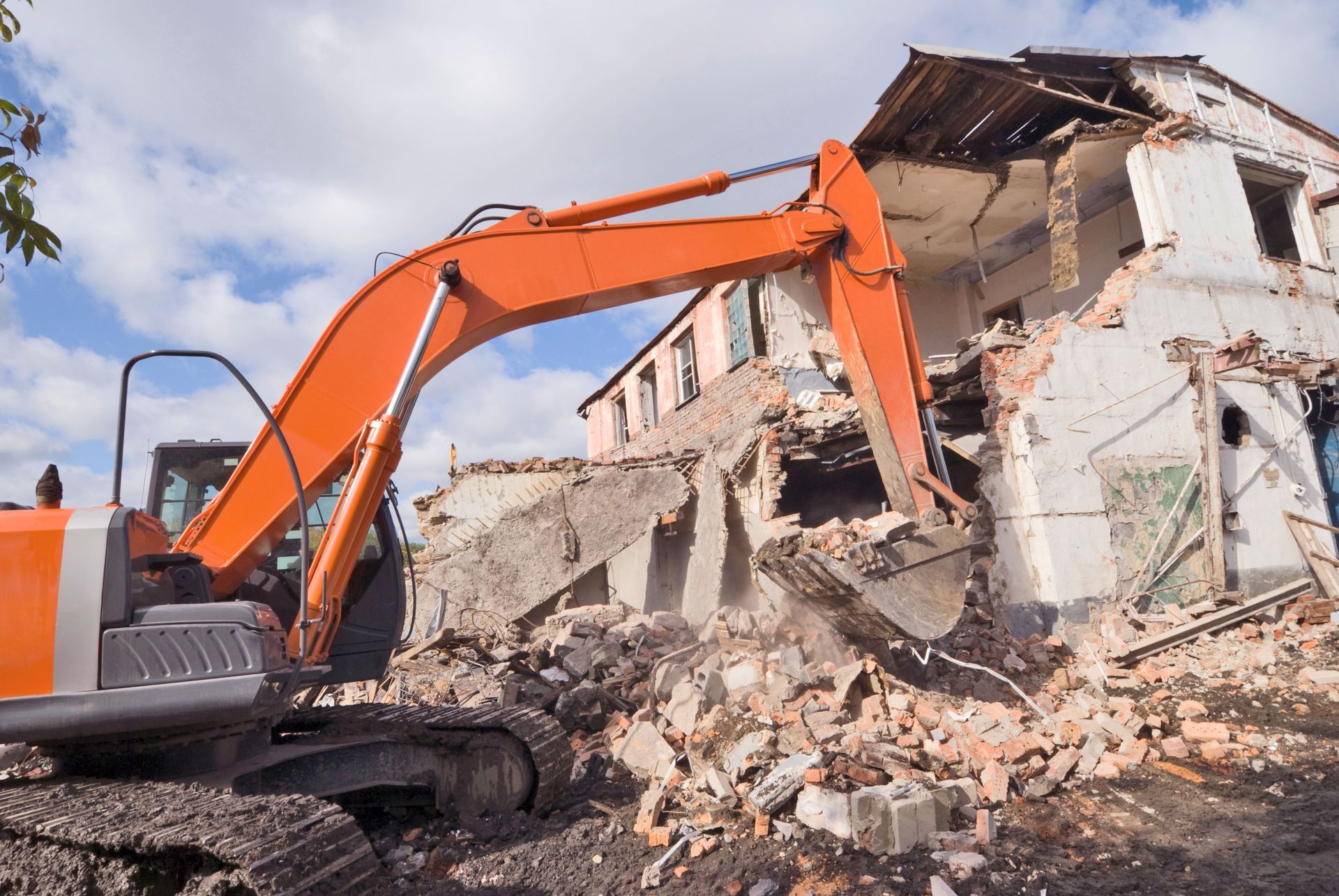
Selecting appropriate demolition equipment depends heavily on the building's physical height, structural composition, and site boundaries. Contractors utilize high-reach excavators, concrete crushers, robotic breakers, and crane-suspended attachments to dismantle structures systematically from the top down. Utilizing advanced machinery allows operators to control debris placement precisely, reducing vibration transmission to adjacent foundations.
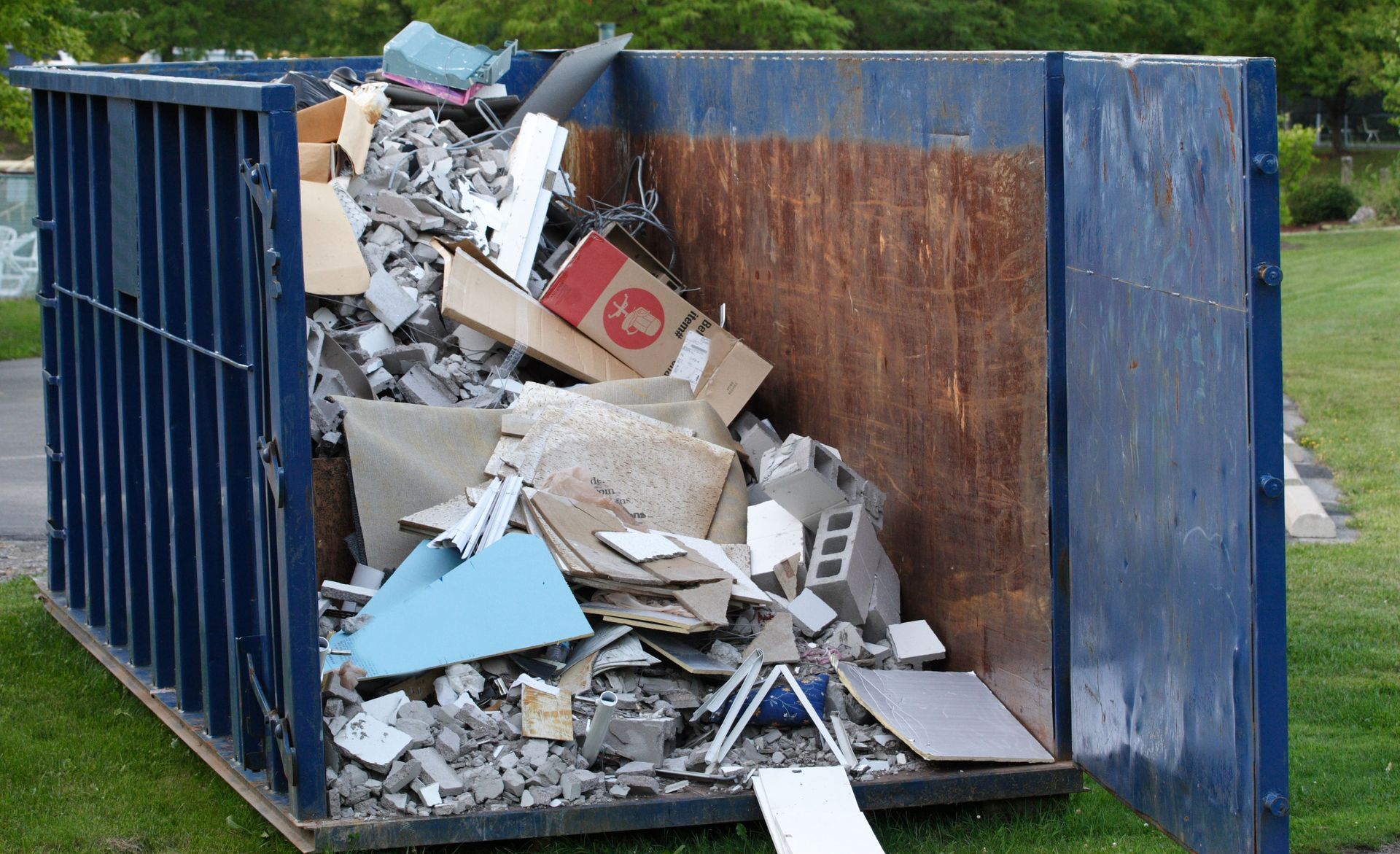
Managing construction waste requires continuous sorting and logistical oversight throughout the dismantling process. Reputable local demolition companies separate recyclable metals, clean concrete, brick, and timber on site before hauling materials to specialized processing facilities. Establishing efficient waste diversion protocols keeps valuable materials out of regional landfills and aligns the project with municipal sustainability goals.
Managing Post-Demolition Clearances and Site Preparation
Once structural removal is complete, crew members focus on thorough site clearance, foundation removal, and ground leveling. Removing underground footings, concrete slabs, and subterranean piping leaves a stable, clear footprint ready for future construction. Rigorous site cleanup protocols eliminate lingering debris and hazards, transforming the property into a safe, buildable site.
Comprehensive documentation and post-demolition reporting serve as the official record of project completion. Contractors compile environmental disposal manifests, utility cap certifications, air monitoring logs, and final inspection sign-offs for submission to municipal building authorities. Maintaining detailed compliance records verifies that all waste handling and safety protocols were strictly observed.
Long-term environmental monitoring and site stabilization wrap up the pre-development phase. Soil testing verifies that no hazardous contaminants remain on site, while proper grading prevents standing water accumulation and soil erosion. To navigate complex urban regulations and ensure your pre-demolition phase proceeds safely, contact Capital Industries today to consult with experienced urban demolition specialists.

Share On: