
Understanding Residential Garbage Collection Systems
Residential garbage collection systems are integral to modern urban life, playing a crucial role in maintaining cleanliness, public health, and environmental sustainability. As urban areas continue to expand, effective waste management systems are essential to ensure that communities remain liveable and maintain high standards of public health. These systems help in minimizing the spread of diseases, reducing pollution, and conserving natural resources by managing waste effectively. Moreover, proper waste collection is pivotal in supporting recycling efforts and reducing the burden on landfills. This article aims to provide a comprehensive understanding of residential waste management systems, their development, impact, and future trends.
Types of Residential Garbage Collection Systems
Curbside Collection
Curbside collection is one of the most common forms of residential waste management, primarily in urban and suburban areas. Homeowners separate their waste into designated bins for regular pickup by garbage trucks. This system promotes recycling by providing separate bins for recyclables, compostables, and general waste. Curbside collection is convenient for residents, ensuring waste is managed efficiently and disposed of responsibly. However, the success of curbside collection often hinges on public awareness and participation in proper waste segregation practices.
Dumpster Services
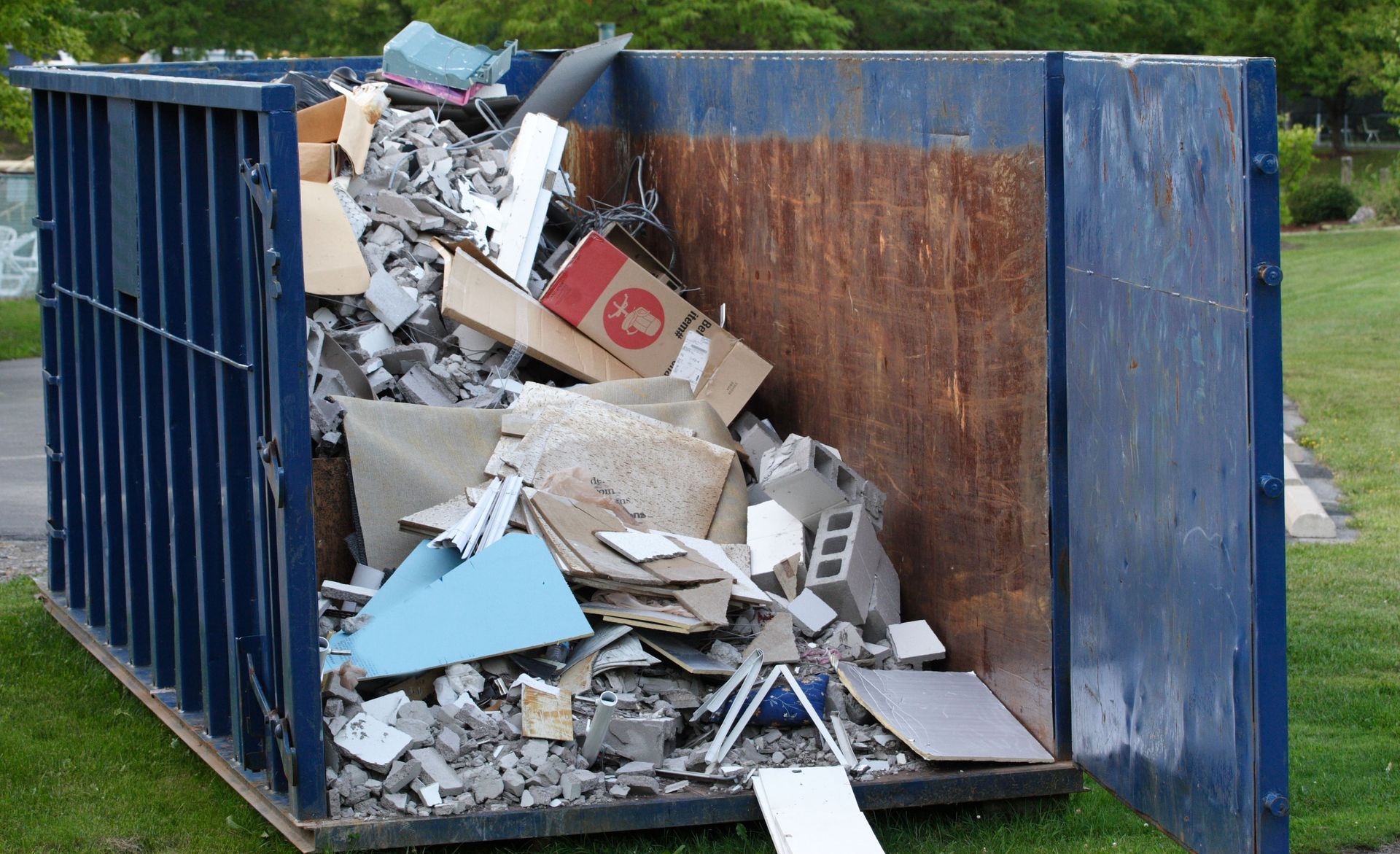
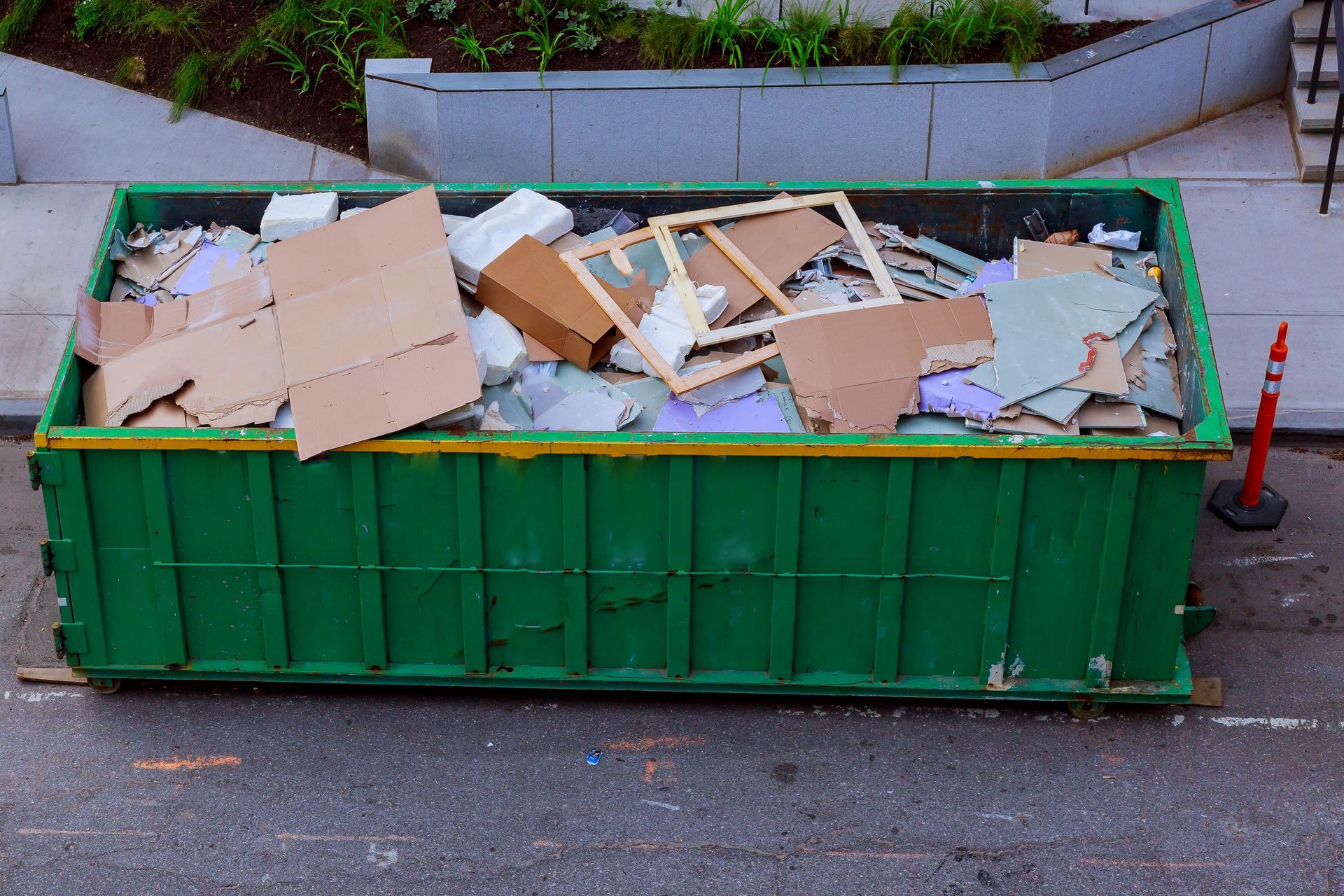
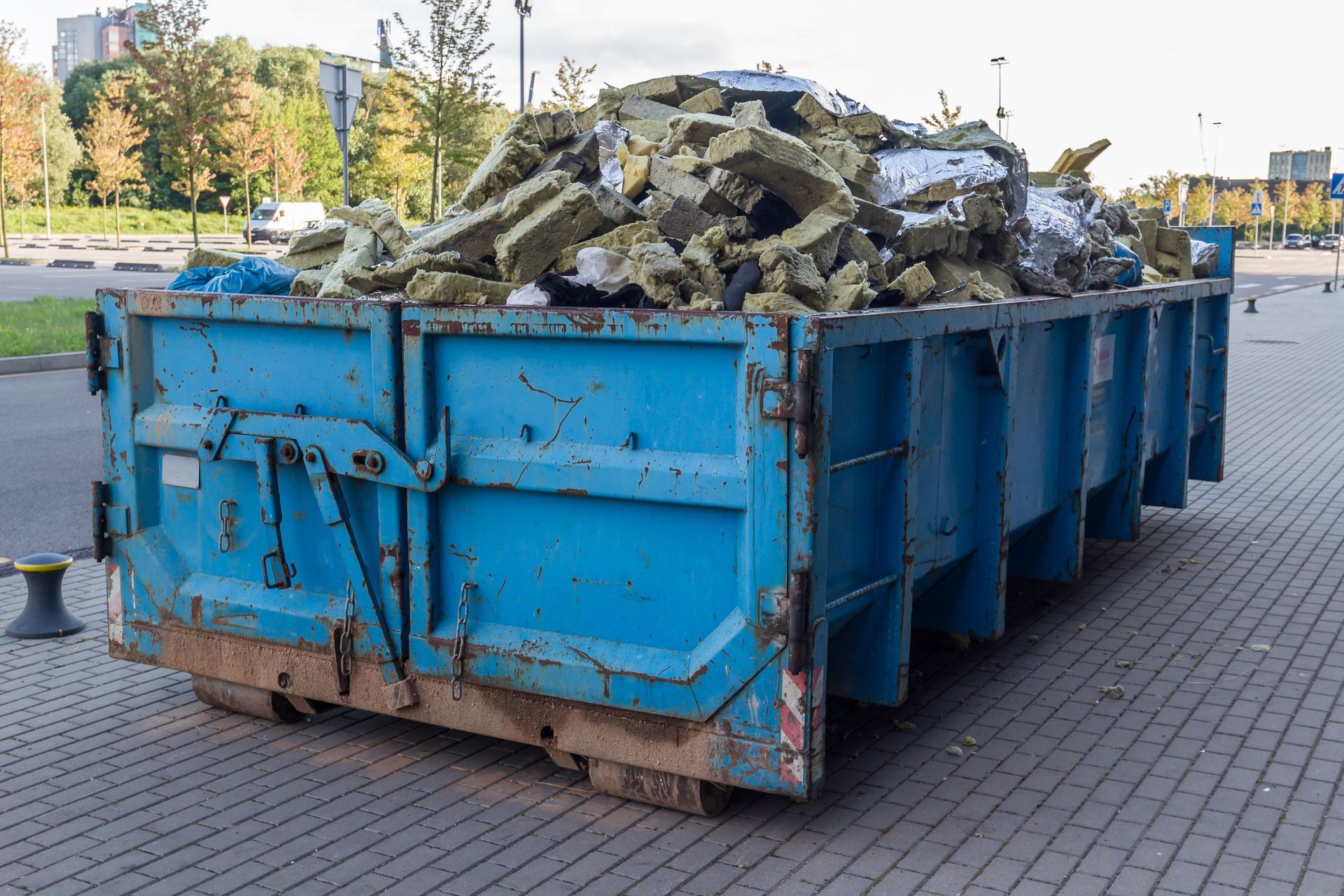
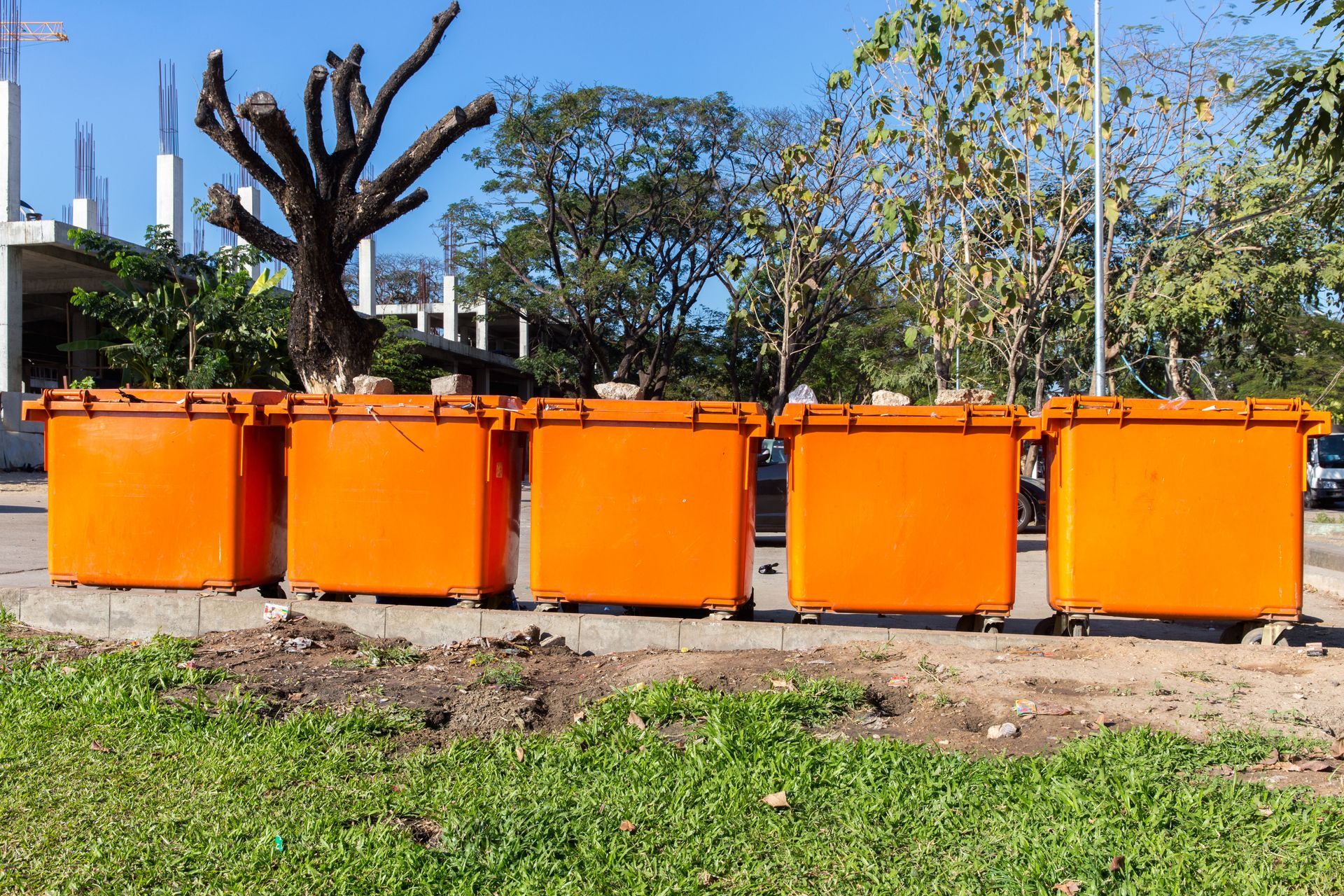
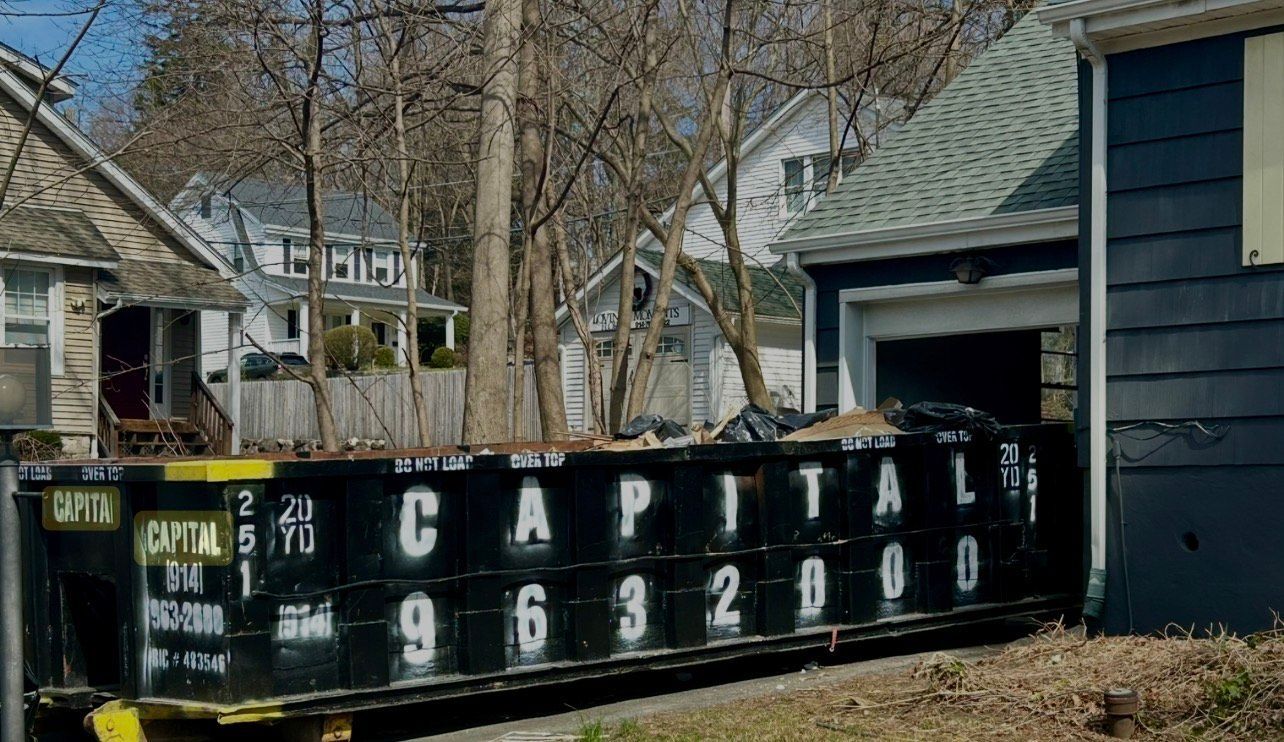
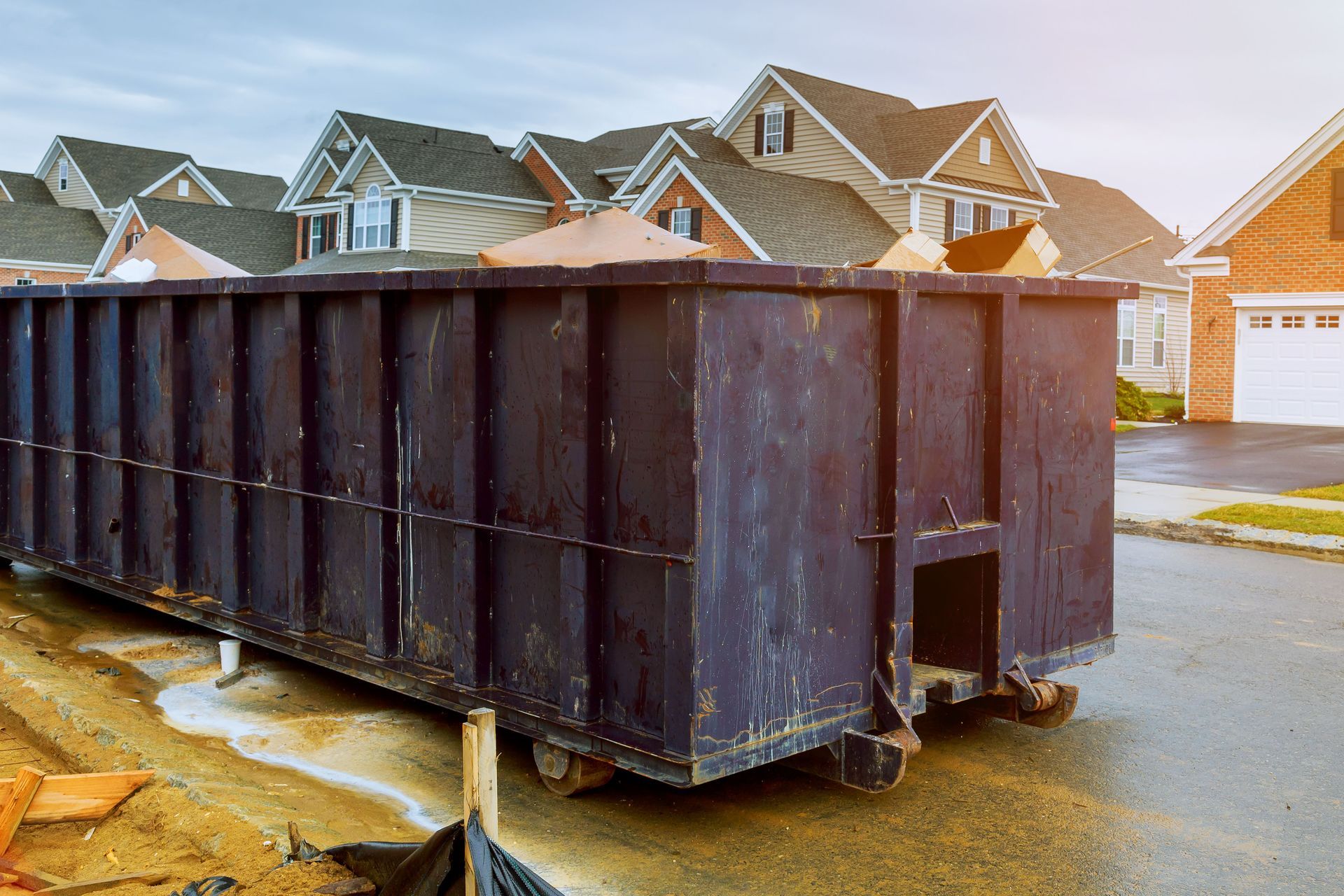
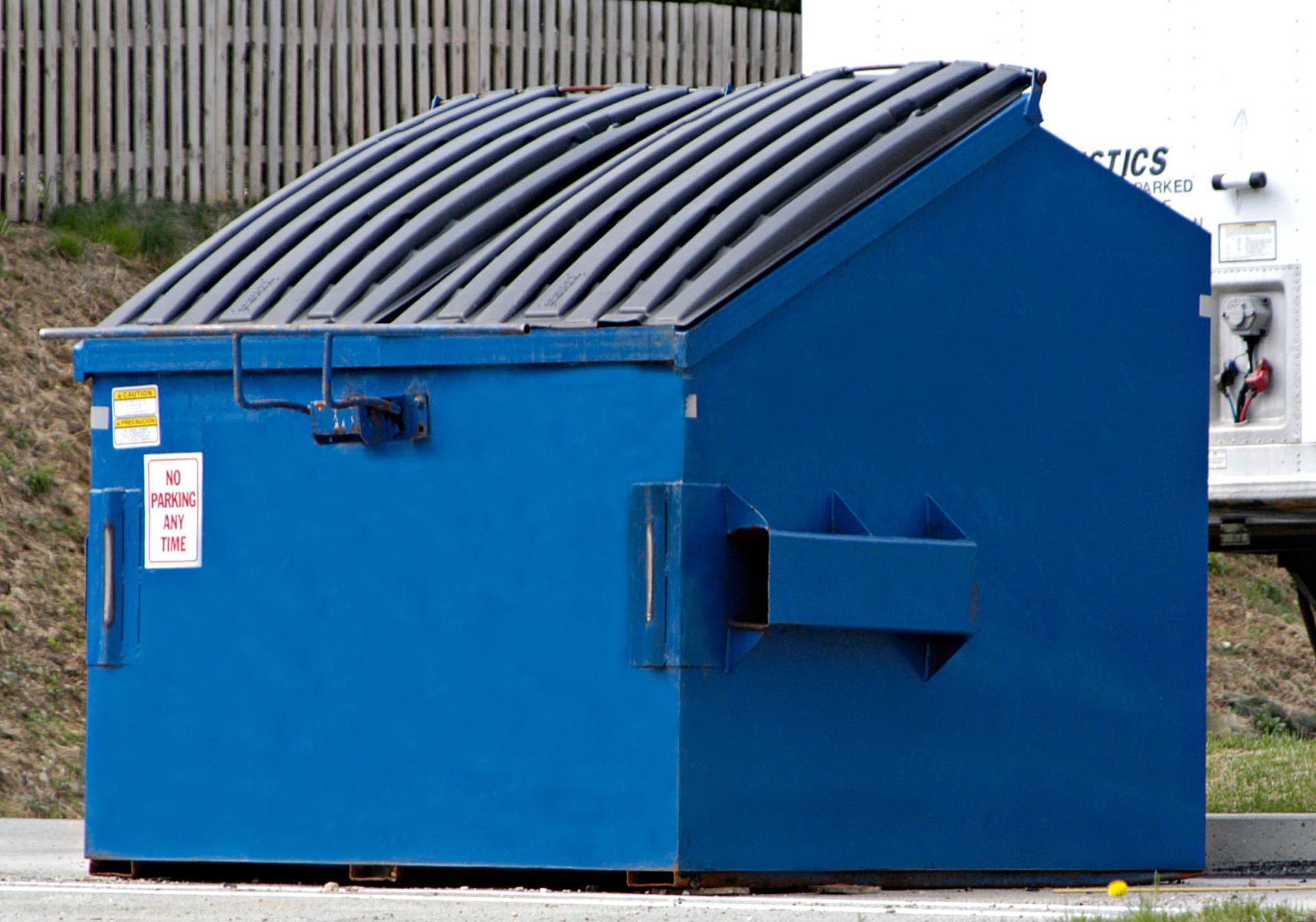
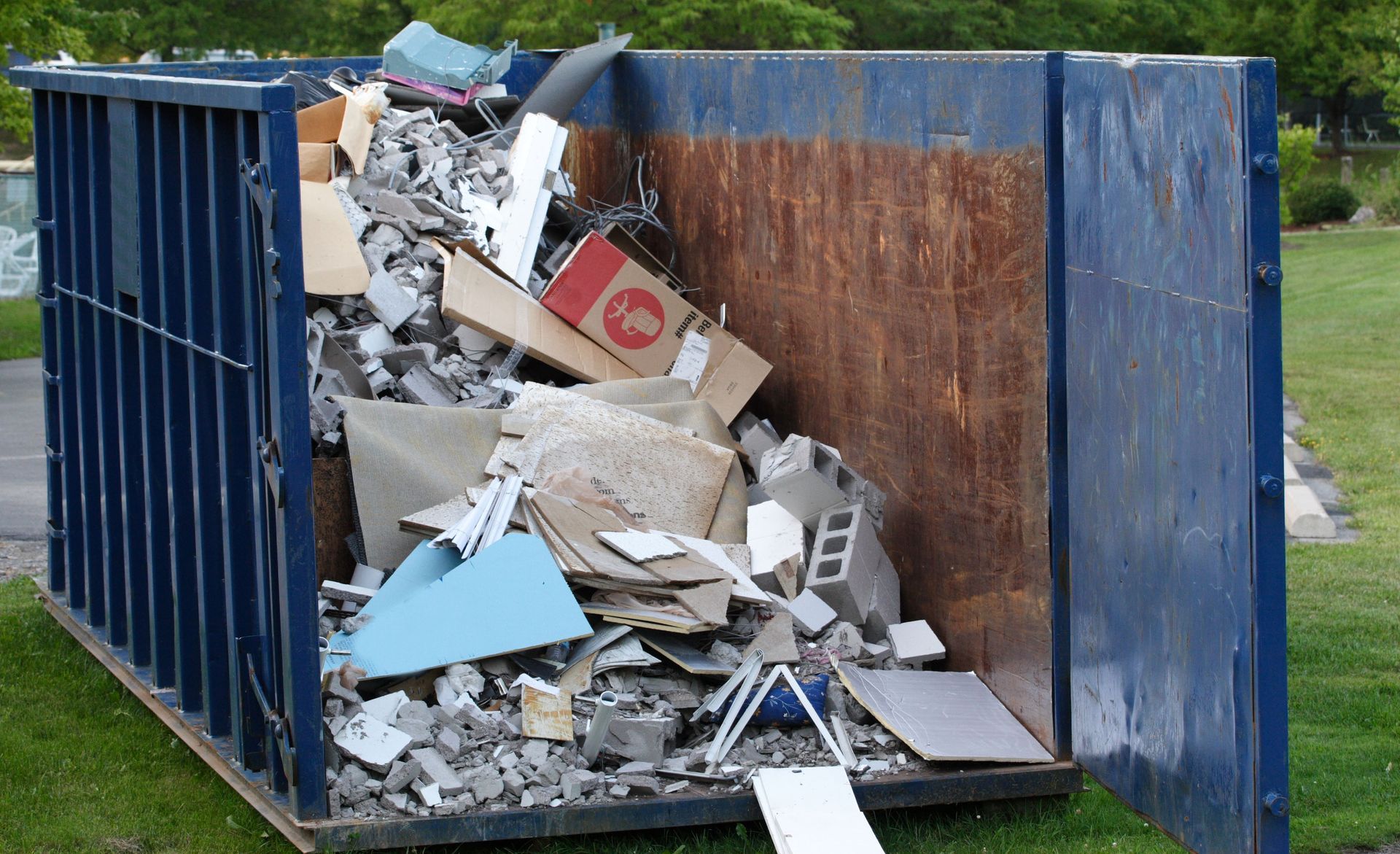
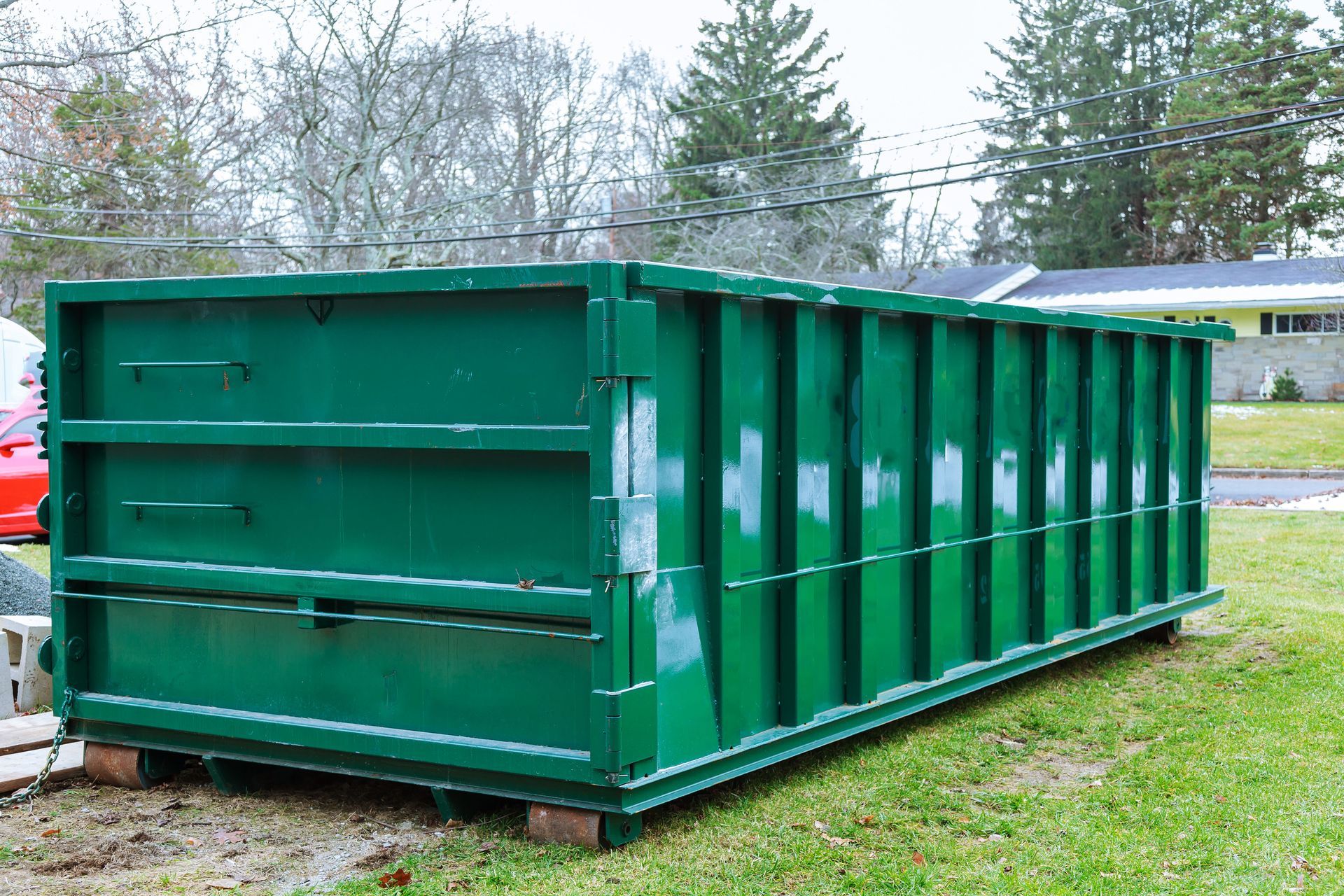
Dumpster services are typically used in larger apartment complexes and community centers where individual curbside bins may be impractical. These large containers accommodate significant amounts of waste, collected regularly by specialized trucks. Dumpster services are efficient in managing bulk waste but require strict regulations to prevent overflow and illegal dumping. They are particularly useful in commercial areas where waste generation is high. Residents and businesses alike rely on these services for effective and convenient
garbage collection and waste disposal.
Drop-Off Centers
Drop-off centers provide a centralized location for residents to bring their waste and recyclables. These centers often accept a broader range of materials for recycling and safe disposal, such as electronics and hazardous waste. Drop-off centers encourage community participation in waste management by providing a convenient option for disposing of items not typically collected curbside. They also support community education on recycling practices and waste reduction. The operation of drop-off centers requires coordinated efforts between local governments and residents.
Automatic Collection Systems
Automatic collection systems utilize advanced technologies to streamline waste collection processes. Automated garbage trucks equipped with robotic arms can efficiently pick up and empty bins, reducing the need for manual handling. This system increases collection efficiency, reduces labor costs, and enhances worker safety. Automatic collection is especially beneficial in areas with high-density populations where fast and efficient
garbage collection is crucial. As technology continues to advance, further automation is anticipated in the waste management sector.
Recycling and Composting Options
Recycling and composting systems are integral components of a comprehensive waste management strategy, designed to divert waste from landfills. Recycling programs encourage the reprocessing of materials such as plastics, paper, and metals, while composting converts organic waste into valuable soil amendments. According to Environment America, packaging make up nearly 28% of all U.S. garbage, highlighting the need for robust recycling efforts. These systems not only conserve natural resources but also reduce greenhouse gas emissions associated with landfill waste. Community participation is key to the success of recycling and composting initiatives.
Environmental Impact of Garbage Collection
Waste Transportation and Emissions
The transportation of waste generates significant greenhouse gas emissions, contributing to climate change. Garbage trucks, often powered by diesel engines, emit substantial amounts of carbon dioxide and other pollutants. Optimizing collection routes and transitioning to fuel-efficient vehicles can reduce the environmental impact of waste transportation. Some municipalities are investing in electric or hybrid garbage trucks to further minimize emissions. Additionally, promoting local waste processing initiatives can reduce the need for long-distance transportation and improve the sustainability of
garbage collection.
Landfills and Their Effects
Landfills pose a significant environmental challenge, emitting methane, a potent greenhouse gas, and leachate, which can contaminate groundwater. Despite advances in landfill technology and management, there are still concerns regarding their long-term sustainability. Reducing the reliance on landfills through waste diversion strategies like recycling and composting is essential for mitigating these impacts. Moreover, modern methods such as biogas capture from landfill sites can convert harmful emissions into valuable energy sources while reducing their environmental footprint. Effective waste management policies can drastically reduce landfill contributions, benefiting both ecosystems and communities.
Improper Disposal Pollution
Improper waste disposal results in significant environmental pollution, affecting soil, water, and air quality. Littering and illegal dumping of waste in natural environments can harm wildlife and degrade ecosystems. Ensuring proper disposal and increasing public awareness are crucial to minimizing risks associated with pollution from waste. Collaborative efforts between government and communities can encourage compliance with waste disposal regulations. Ultimately, reducing improper disposal practices protects environmental health and supports sustainable community development through better
garbage collection.
Economic Aspects of Garbage Collection
Service Cost Structures
The financial model for waste collection services typically involves fees based on the volume and frequency of waste collection. Municipalities may charge residents a flat fee or a pay-as-you-throw rate, incentivizing waste reduction and recycling. Implementing efficient routes and optimizing operational costs are critical to maintaining affordable and sustainable waste collection services. The economic viability of
garbage collection
also hinges on effective budget management and long-term strategic planning. Balancing service quality and cost efficiency is a priority for municipalities to meet community needs.
Municipal Funding Sources
Waste collection is predominantly financed through public budgets, often accounting for a significant portion of municipal expenditures. Funding sources may include property taxes, service fees, and government grants. Budget constraints can impact the quality and frequency of waste collection services, requiring careful financial planning and resource allocation. Public-private partnerships and innovative funding models can provide additional support and investment in municipal waste management. Ensuring adequate funding is essential to deliver reliable and effective services to communities.
Efficient System Benefits
Efficient waste management systems can result in significant economic savings for municipalities and residents. Streamlined collection processes reduce operational costs, allowing funds to be reallocated to other community needs. Efficient
garbage collection
systems also contribute to higher recycling rates and resource recovery, promoting economic sustainability. By reducing the environmental and financial burdens of waste disposal, municipalities can enhance their economic resilience. Maximizing the efficiency of waste collection systems benefits both the economy and the environment.
Economic Challenges and Solutions
Financial challenges in waste collection include rising costs, infrastructure maintenance, and balancing service demands with budget limitations. Municipalities must navigate these constraints while ensuring equitable access to waste management services. Innovative solutions, such as implementing advanced technologies or adopting circular economy principles, can address these economic challenges. Encouraging community participation in waste reduction and recycling efforts can further alleviate financial pressures. Evolving policies and adaptive management strategies are crucial for sustaining economic viability in the face of ongoing waste management challenges.
Understanding and advancing residential
garbage collection
systems is essential for promoting environmental sustainability, public health, and economic efficiency. The evolution of waste management practices highlights the importance of innovation, policy development, and community engagement in addressing these critical issues. While challenges remain, emerging technologies and sustainable practices offer promising solutions for the future of waste management. For communities seeking reliable support, Capital Industries can help strengthen dependable waste collection solutions that support cleaner, healthier environments. Encouraging ongoing dialogue and collaboration among stakeholders is vital in fostering resilient, innovative, and equitable waste collection systems. As communities move toward sustainable waste management, collective efforts will support healthier, cleaner, and more sustainable environments.
Share On: