
Concrete, Drywall, and Roofing Disposal Guidelines
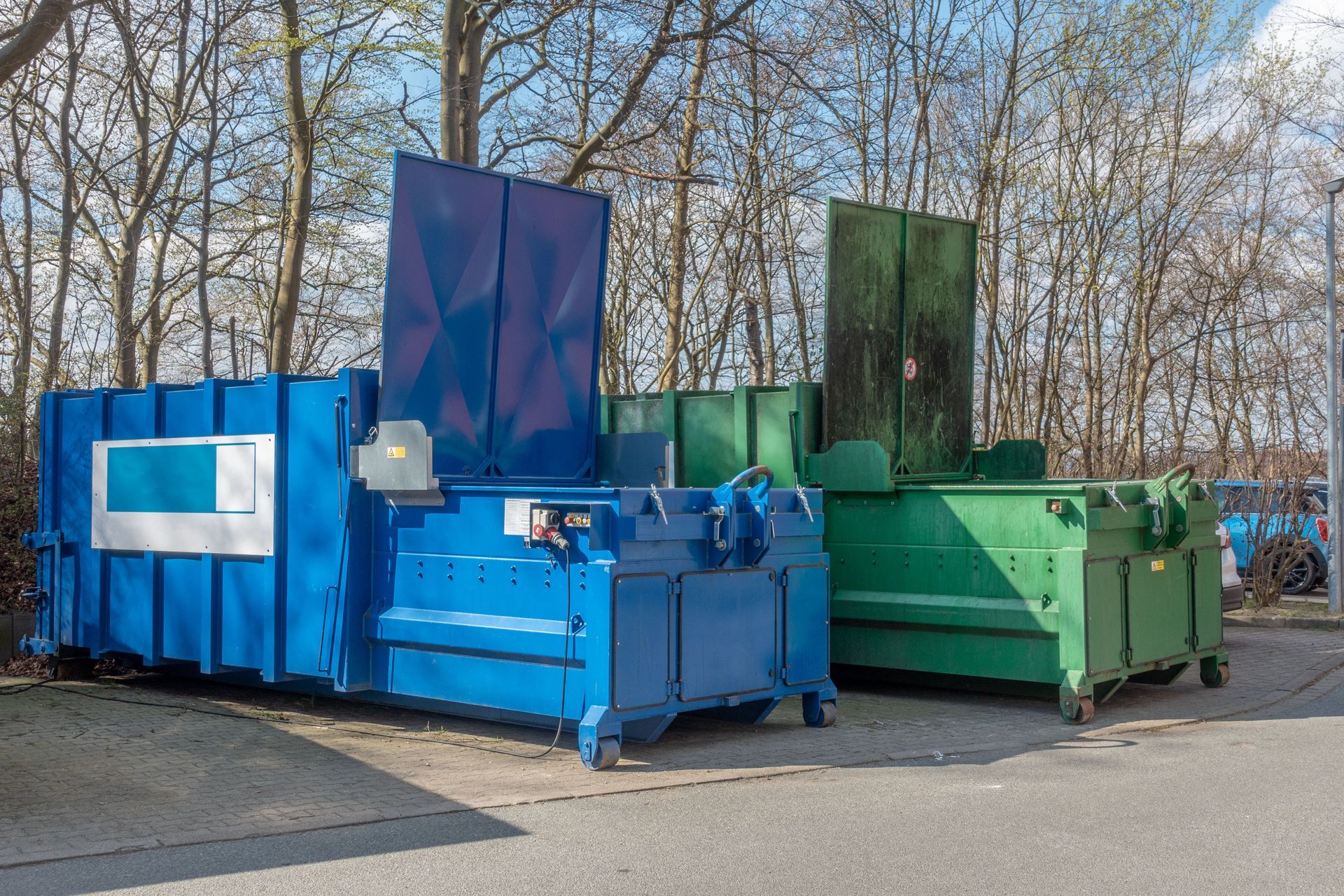
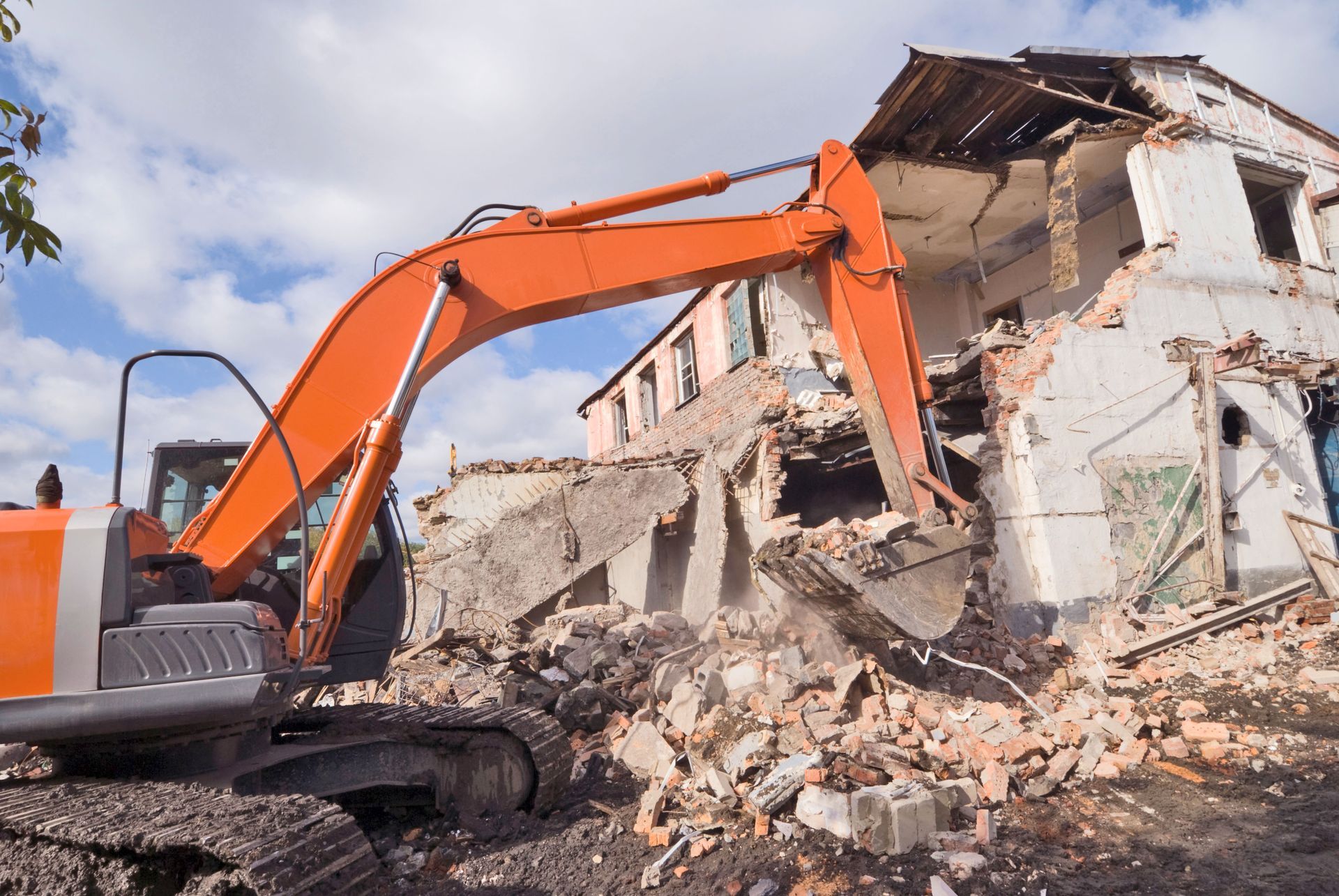
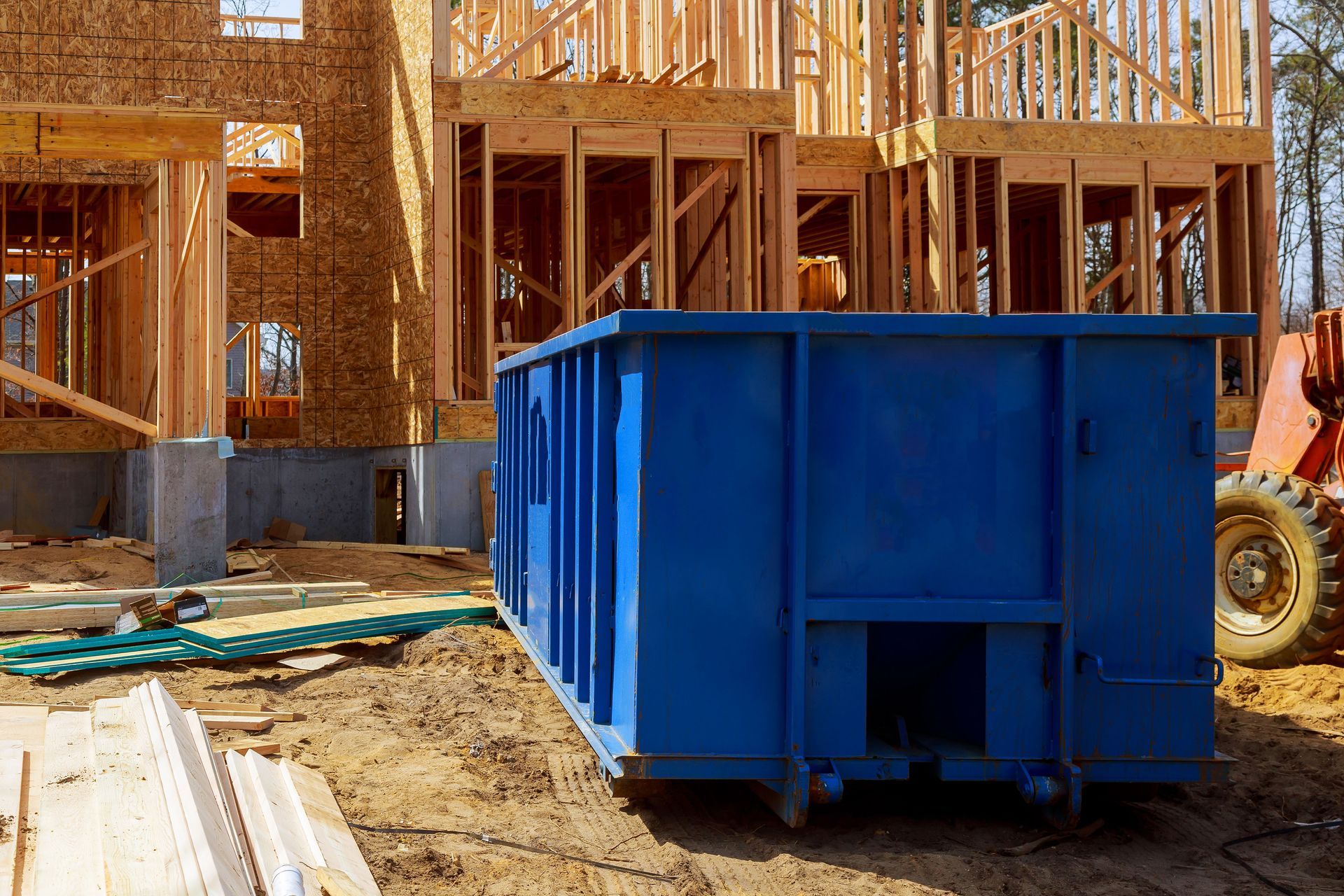
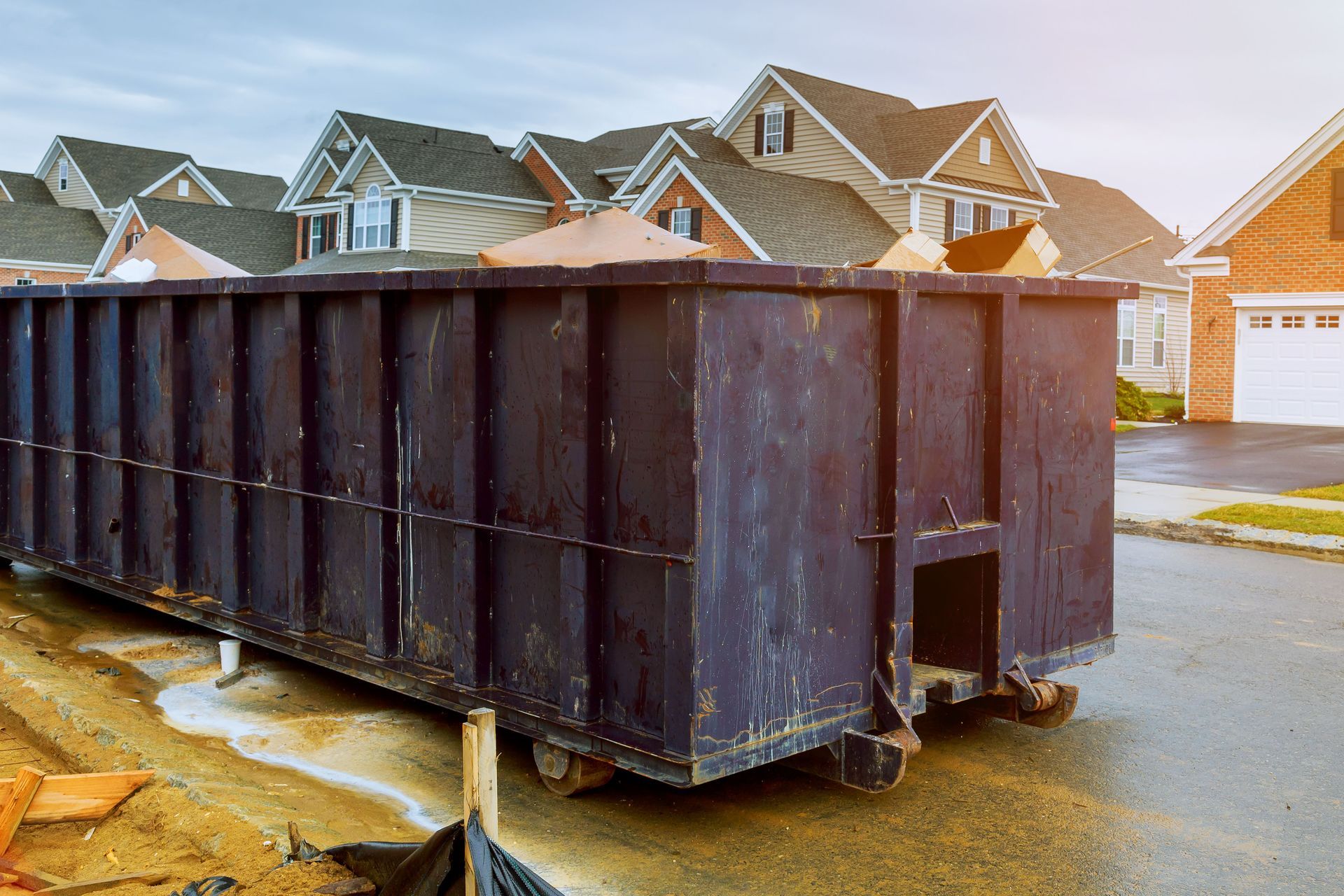
Responsible disposal is essential for environmental protection, legal compliance, and jobsite safety. According to the EPA, 90% of construction site debris is from demolition. Many contractors streamline waste management by renting dumpsters, which simplifies sorting and hauling debris from demolition and renovation projects.
Environmental Impacts of Construction Waste
Improper disposal of construction materials can contaminate soil and groundwater, contribute to air pollution, and increase landfill pressure. Materials such as concrete and drywall are especially problematic due to their volume and slow breakdown rate. When mixed with other debris, they become harder to recycle and more likely to end up in landfills unnecessarily.
Recycling and reuse reduce the demand for raw material extraction, which helps preserve natural ecosystems and reduce carbon emissions. Concrete can be crushed and reused as aggregate, while drywall gypsum can be processed into soil amendments or new building materials. Many contractors reduce environmental impact by renting dumpsters to keep recyclable materials separated from landfill waste streams. This simple step improves sorting efficiency and supports sustainability goals across the construction industry.
Regulatory Compliance Requirements
Construction waste disposal is regulated by local, state, and federal laws. These regulations define how materials must be handled, transported, and processed. Failure to comply can result in fines, legal penalties, or project delays.
Most jurisdictions require permits for large-scale demolition or disposal activities, especially when handling heavy or potentially hazardous materials. Documentation of waste type, volume, and disposal location is often required for compliance tracking. Contractors often simplify compliance by renting dumpsters from licensed providers who understand local regulations and ensure proper hauling to approved facilities.
Staying up to date with evolving environmental laws is critical. Regulations increasingly encourage recycling and material recovery, sometimes offering incentives or reduced landfill fees for sustainable disposal practices.
Health and Safety Risks
Construction debris can pose serious health hazards when not handled correctly. Concrete dust containing silica can cause long-term respiratory conditions, while older roofing materials may contain asbestos or other harmful substances. Drywall dust can also irritate the lungs and eyes during demolition.
Safe disposal practices include using personal protective equipment (PPE), implementing dust suppression methods, and maintaining proper ventilation on job sites. Workers should be trained to identify hazardous materials and follow correct handling procedures.
Renting dumpsters helps maintain safer job sites by keeping debris contained and reducing clutter. A clean and organized work environment lowers the risk of trips, falls, and accidental exposure to harmful materials.
Economic Implications of Proper Disposal
Although disposal may seem like an added expense, proper waste management often reduces overall project costs. Recycling materials decreases the need to purchase new raw materials, and compliance with regulations avoids costly fines and delays.
Efficient waste handling also reduces transportation and labor costs. When materials are sorted properly, fewer trips are needed to transport debris to disposal facilities. Contractors often rely on renting dumpsters to streamline waste collection, centralize debris management, and improve efficiency across project phases.
Some municipalities and recycling facilities offer reduced tipping fees or financial incentives for recycling construction materials, further improving cost savings for contractors who follow sustainable practices.
Community Reputation and Sustainability
A company’s approach to waste disposal directly impacts its reputation. Contractors that prioritize responsible disposal practices are viewed as more professional, reliable, and environmentally conscious. This can lead to stronger relationships with clients, inspectors, and local communities.
Poor waste management, on the other hand, can result in complaints, regulatory scrutiny, and lost business opportunities. Visible efforts such as clean job sites and proper material handling help build trust.
Many contractors improve their public image by renting dumpsters, which keeps job sites organized and demonstrates a commitment to sustainability. As environmental awareness increases, responsible disposal practices are becoming a key factor in winning contracts and maintaining long-term business growth.
Concrete Disposal Guidelines
Concrete Size Reduction
Concrete waste should be broken into smaller pieces using tools such as jackhammers, concrete saws, or crushers. Smaller pieces are easier to transport, sort, and recycle. Proper separation from other debris is essential to avoid contamination and improve recycling efficiency.
Concrete Recycling Processes
Crushed concrete can be reused as road base, fill material, or aggregate in new construction projects. Recycling reduces landfill use and conserves natural resources while providing a cost-effective material alternative. Many recycling facilities accept clean concrete and process it into reusable construction-grade materials.
Concrete Permits and Restrictions
Most regions require permits for concrete disposal, especially for large demolition projects. These permits ensure that waste is handled safely and directed to approved facilities. Contractors must follow local regulations to avoid fines and project delays.
Concrete Repurposing Applications
Beyond recycling, concrete can be repurposed for landscaping projects, erosion control, retaining walls, and base layers in infrastructure. These alternative uses reduce waste while offering durable and cost-effective solutions.
Drywall Disposal Guidelines
Drywall Identification and Sorting
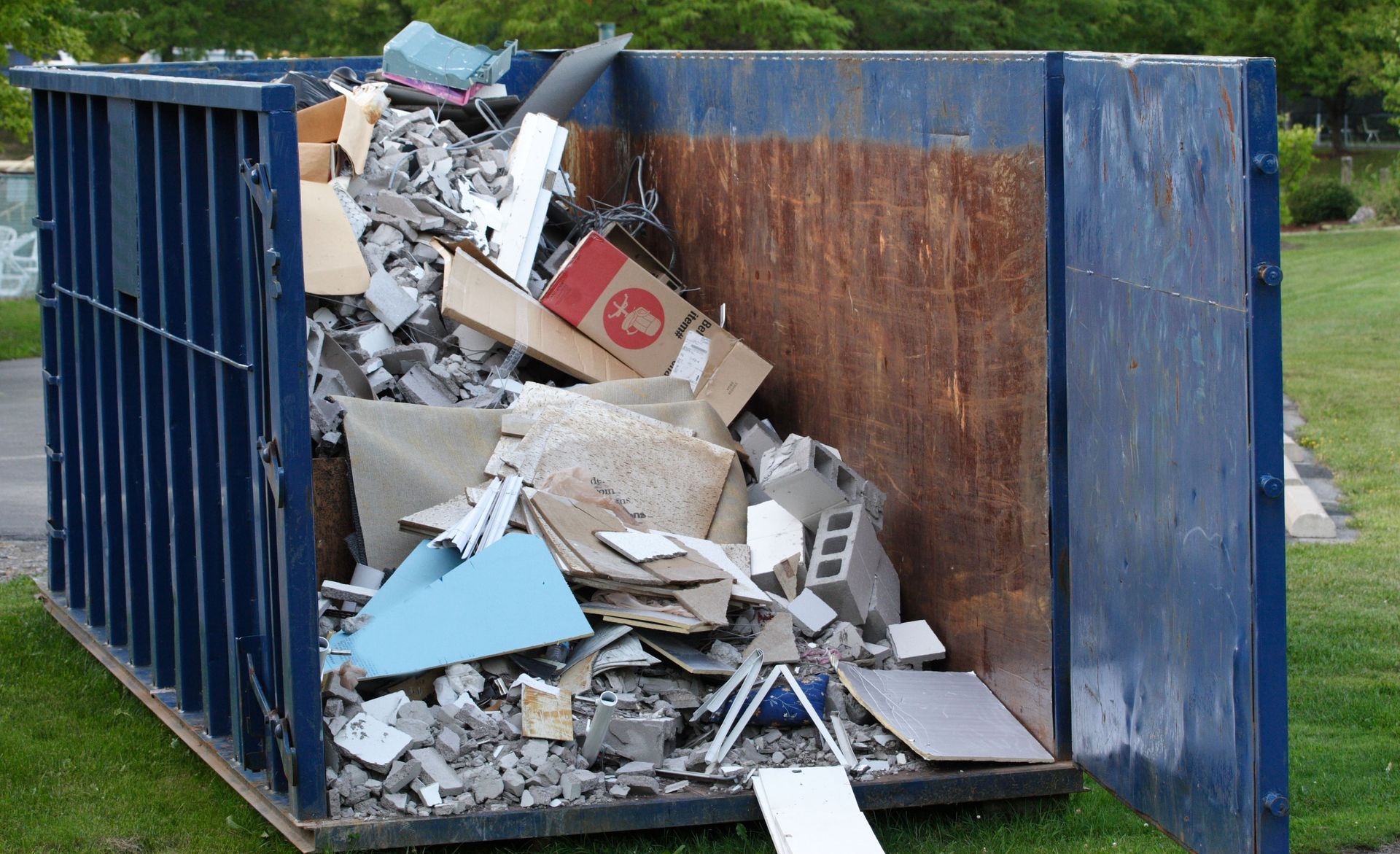
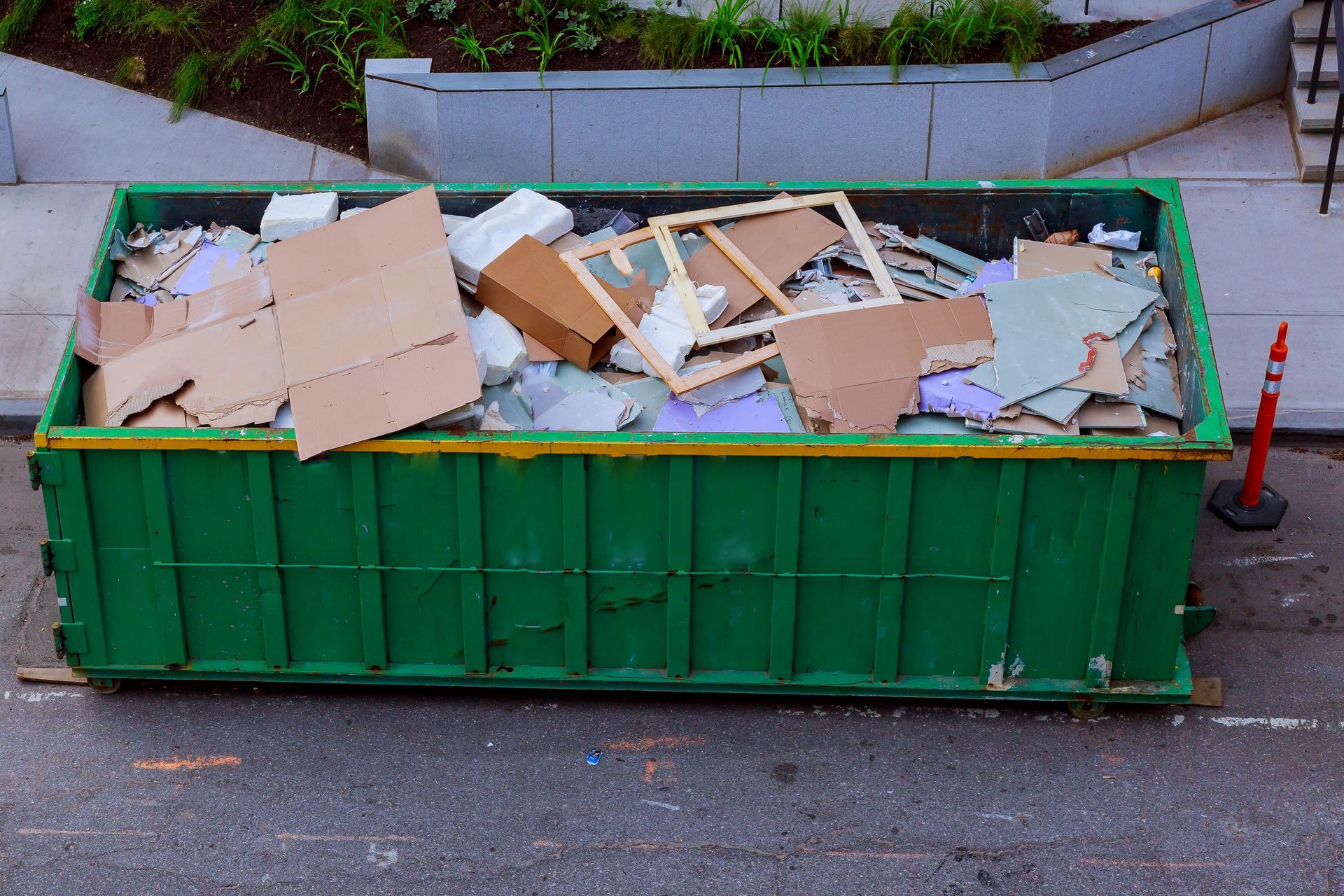
Drywall should be carefully inspected for recyclability before disposal. Clean gypsum board without paint, mold, or other contaminants is suitable for recycling and should be separated as early as possible during demolition or renovation work. Proper sorting during the initial stages of a project significantly improves material recovery rates and reduces the volume of waste sent to landfills. Contractors often establish designated drop zones on-site to keep clean drywall separate from mixed construction debris, which helps streamline hauling and processing later.
It is also important to distinguish between different types of drywall, such as standard gypsum board, moisture-resistant (green board), and fire-rated panels, as some facilities may have specific acceptance criteria. Keeping materials organized by type can further improve recycling efficiency and reduce the risk of rejection at processing centers. In larger projects, labeling containers or using color-coded bins can help workers maintain proper separation throughout demolition activities. Regular site monitoring ensures that contamination does not occur after initial sorting, preserving the value of recyclable materials and supporting more sustainable construction practices overall.
Drywall Removal Safety
Drywall removal generates fine dust that can cause respiratory irritation. Workers should use PPE, such as masks and goggles, and employ dust control techniques like wet cutting or vacuum systems. Proper ventilation is also essential for maintaining safe air quality.
Drywall Contamination Control
Drywall contaminated with mold, asbestos, or lead-based paint must be separated and handled as hazardous waste. Pre-demolition inspections help identify contaminated materials early and ensure they are disposed of correctly.
Drywall Recycling Processes
Recycled gypsum from drywall can be used in agriculture as a soil conditioner or processed into new drywall products. Recycling facilities separate gypsum from paper backing and other contaminants before reuse.
Drywall Cost Management
Effective planning and material separation help reduce disposal costs. Recycling drywall lowers landfill fees, while proper sorting minimizes transportation expenses. Contractors who plan waste handling early in the project improve both efficiency and budgeting outcomes.
Roofing Material Disposal Guidelines
Roofing Material Types and Management
Roofing waste commonly includes asphalt shingles, wood underlayment, metal flashing, and insulation materials. Each type requires specific handling due to differences in weight, composition, and recyclability.
Asphalt shingles can often be recycled into road paving materials, while metal components are highly recyclable and valuable in scrap markets. Wood and composite materials may be reused or disposed of depending on condition and contamination levels.
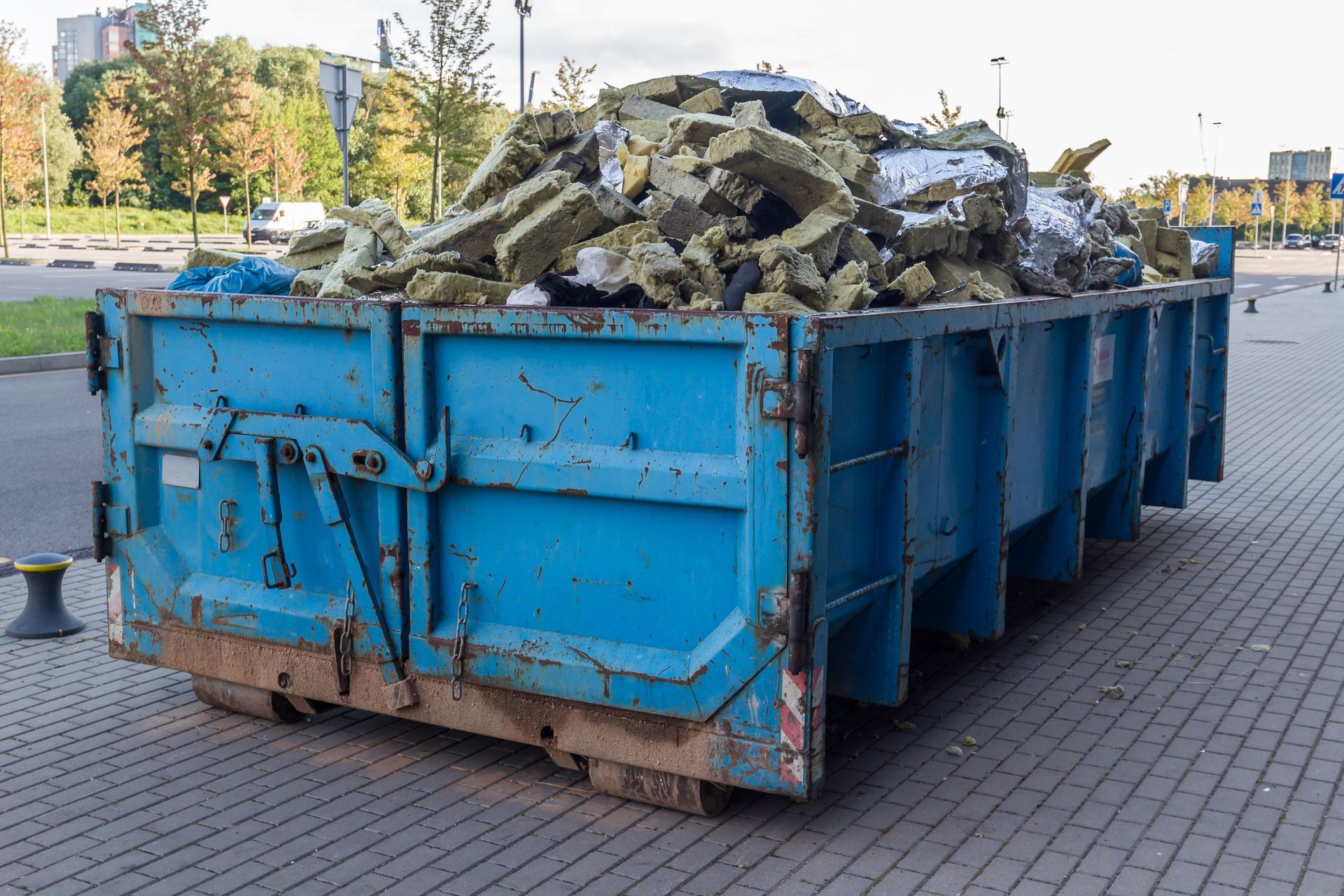
Proper separation during roof tear-offs improves recycling potential and reduces landfill contributions. Organized waste handling systems, including the use of dumpsters, help maintain safe, efficient job sites and support compliance with disposal regulations. Contractors who prioritize sorting and recycling roofing materials also reduce hauling costs and improve project efficiency.
Proper disposal of concrete, drywall, and roofing materials is essential for protecting the environment, ensuring regulatory compliance, maintaining safety, and controlling costs. Recycling and material reuse play a major role in reducing landfill waste and supporting sustainable construction practices.
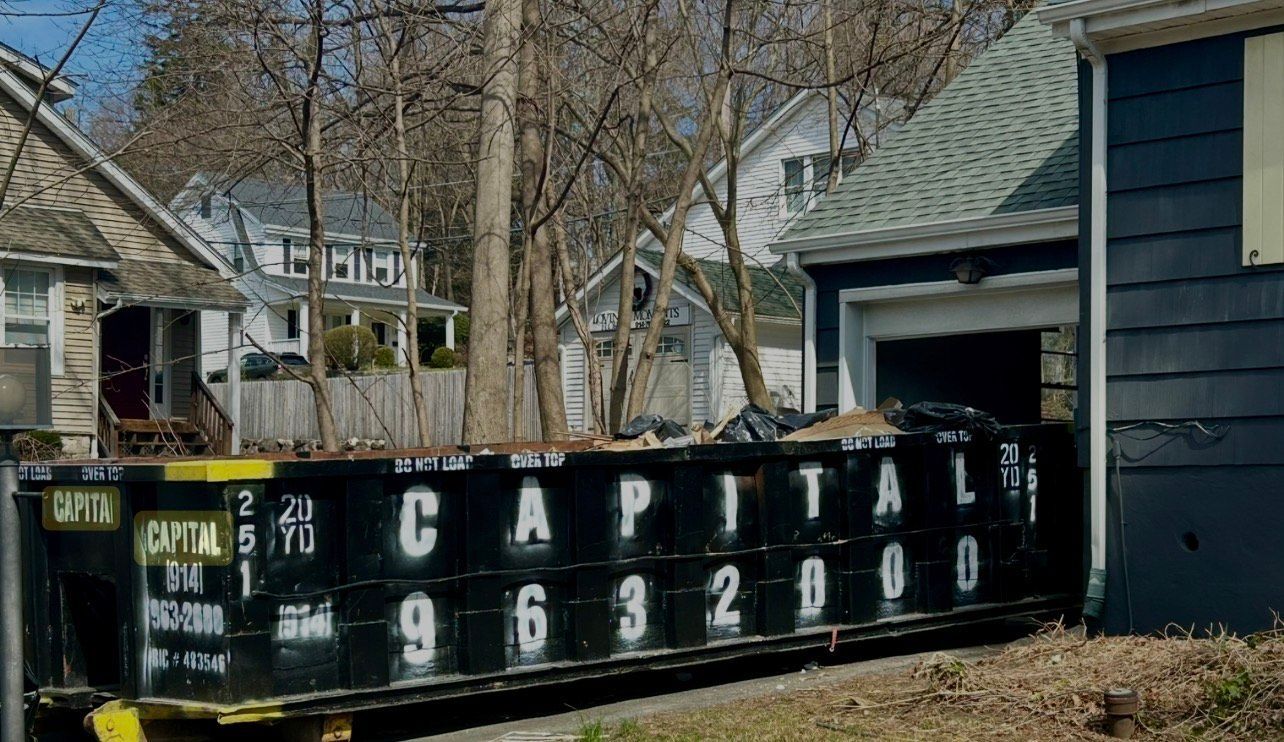
Across all phases of demolition and renovation, renting dumpsters remains one of the most effective ways to manage construction debris. It helps keep job sites organized, simplifies sorting, improves compliance, and supports efficient transportation of waste materials to recycling or disposal facilities. Get in touch with Capital Industries today for effective dumpster rentals on your next jobsite.
Share On: