
Choosing A Dumpster Rental Provider For Construction Cleanup Projects
Construction cleanup projects require careful planning when selecting a dumpster rental provider, as it directly impacts worksite efficiency and debris removal management. A well-matched provider helps ensure that waste is handled in a way that supports steady workflow and organized site conditions. A dumpster rental provider plays a central role in keeping cleanup operations structured and consistent from start to finish.
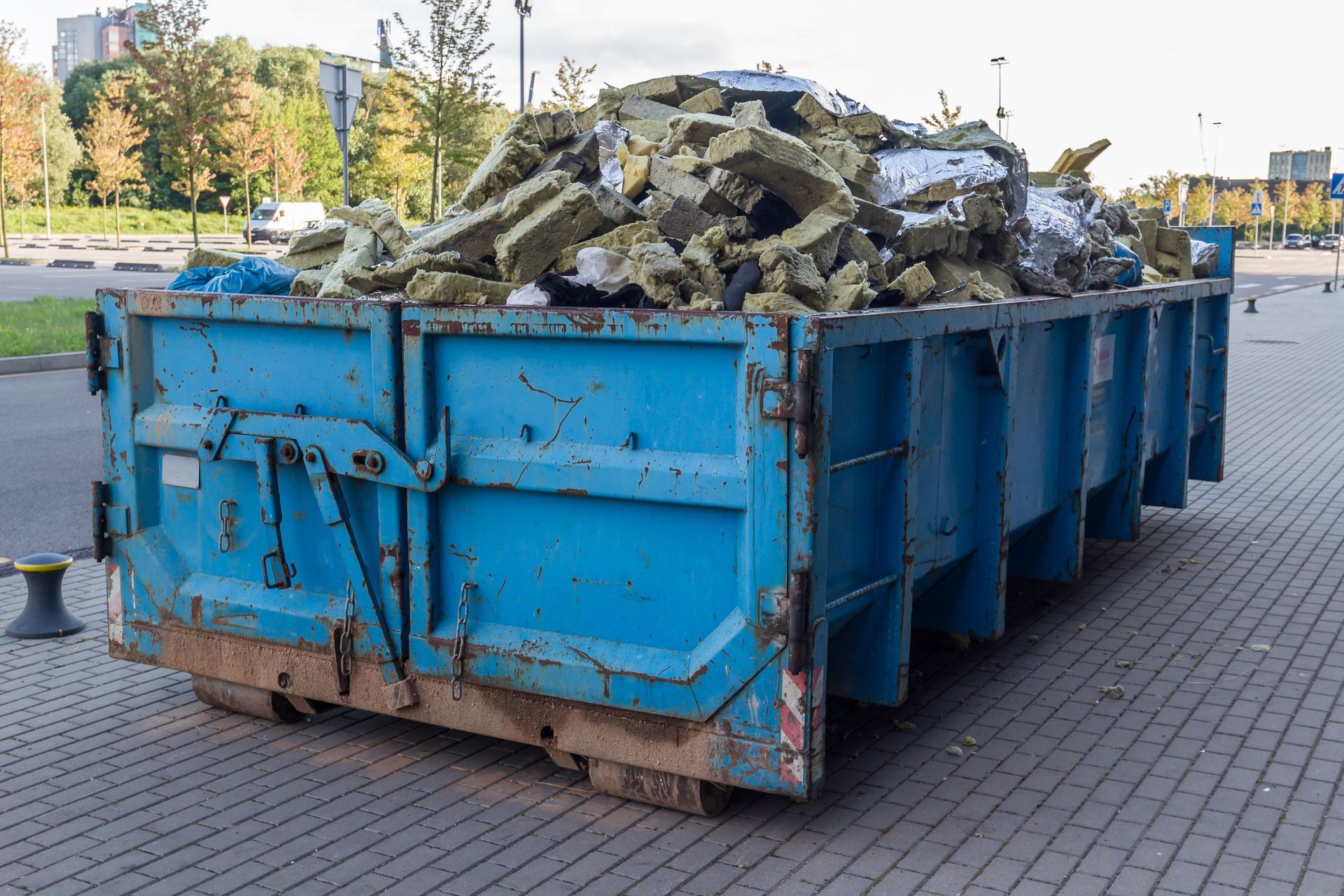
Construction cleanup often involves sorting and removing a wide mix of materials, including metals, concrete, wood, and mixed debris generated across different phases of a project. According to Worldmetrics, 45% of recycled materials from roll-off dumpsters are metals, which reflects how frequently metal materials appear in construction waste streams.
This guide outlines key considerations for evaluating dumpster rental services, including project requirements, container sizing, pricing structures, and site logistics. Understanding these factors can help streamline cleanup operations from start to finish. A dumpster rental provider can help coordinate these elements in alignment with project needs.
Assessing Project Requirements
Evaluate Project Size and Scope
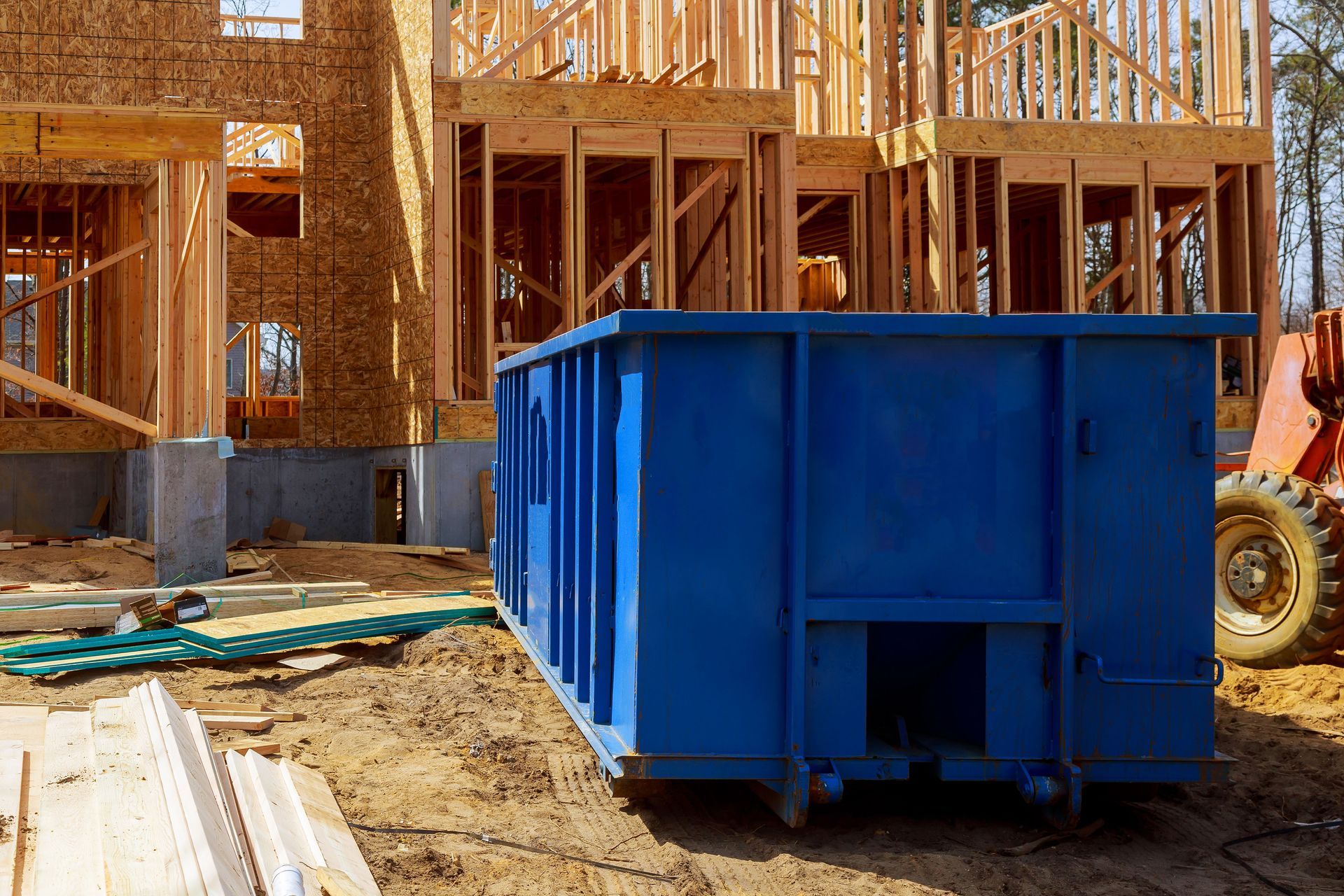
Evaluating the size and scope of a construction project is one of the first steps in selecting a dumpster rental provider. Smaller renovation work may require limited container capacity, while larger demolition or construction projects may require multiple or larger dumpsters to manage ongoing debris. A dumpster rental provider helps align container size with project demands to support a consistent workflow throughout the worksite.
Understanding project scale helps determine how frequently dumpsters will need to be exchanged and what type of container setup will support steady operations. Providers that offer multiple dumpster sizes can help accommodate projects with changing needs over time. This ensures debris removal remains consistent as work progresses.
Identify Waste Materials
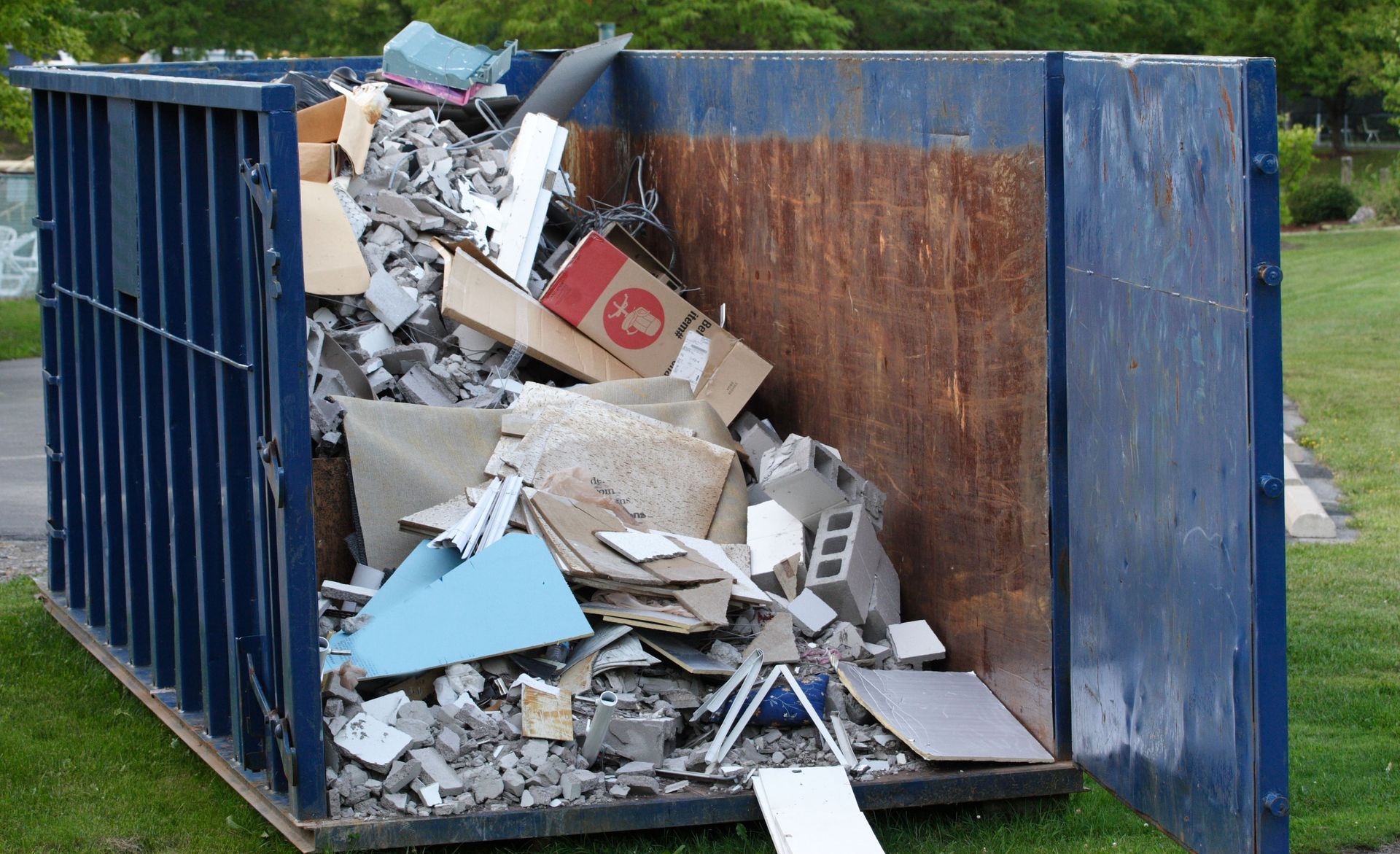
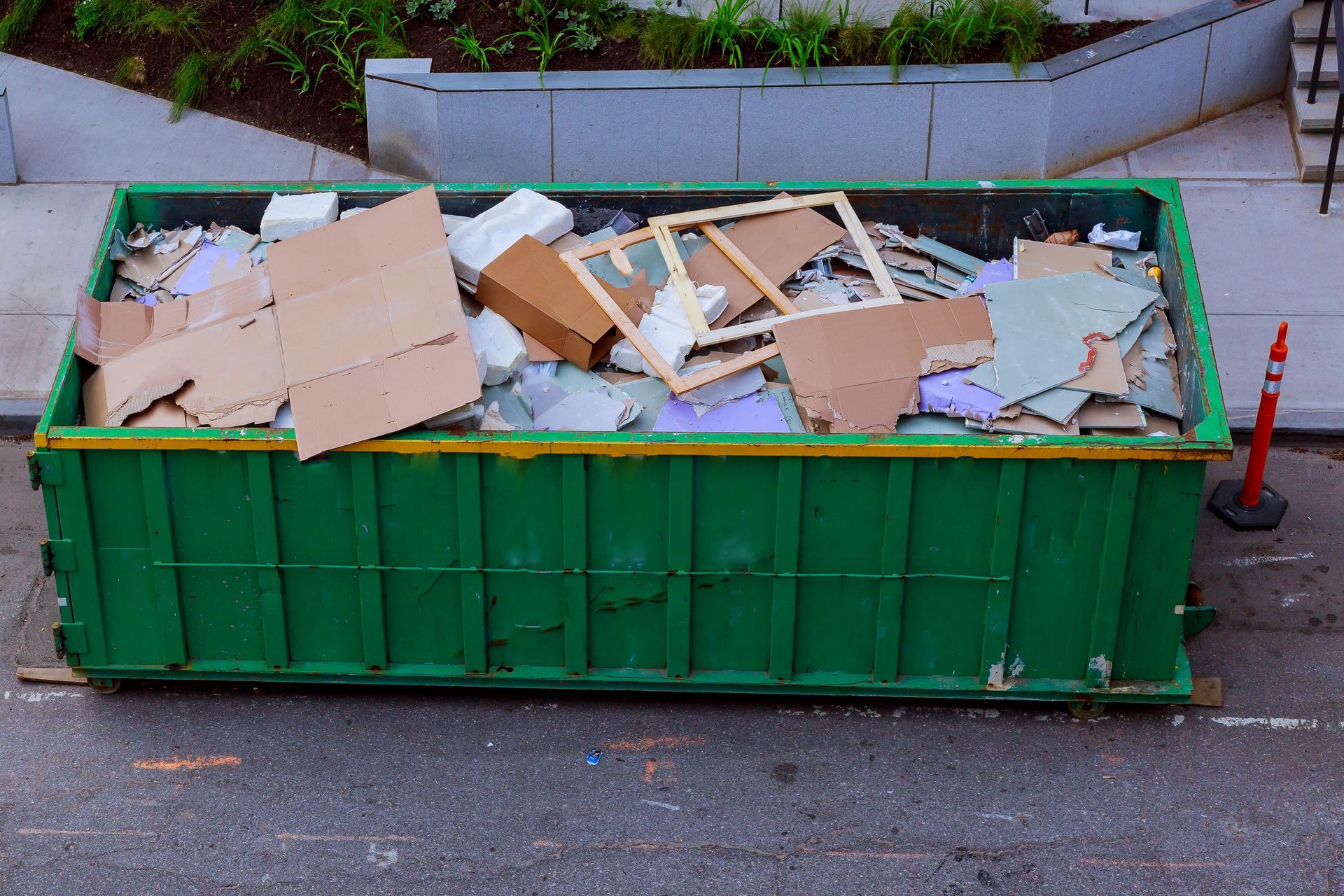
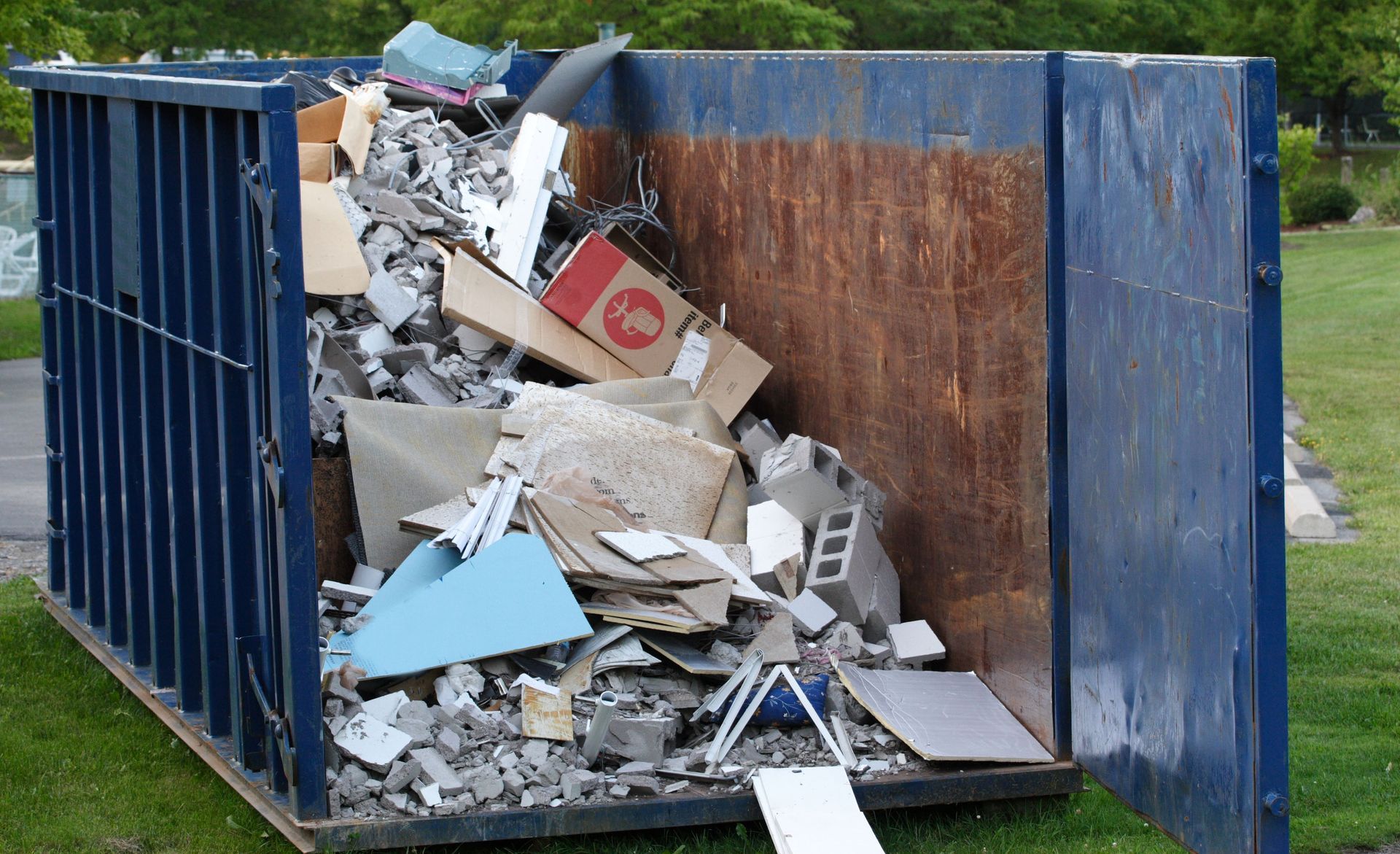
Construction projects typically generate a variety of materials, including wood, concrete, metal, drywall, and general debris. Identifying the types and estimated volume of materials in advance helps determine the most appropriate dumpster size and placement strategy. A dumpster rental provider can help align container selection with these material needs.
Estimate Project Duration
Project duration plays an important role in determining dumpster rental timing. Short-term jobs may require brief placement periods, while longer construction or demolition projects may require extended rental arrangements or scheduled swaps. A dumpster rental provider helps coordinate timing based on project length.
Clear scheduling helps ensure dumpsters are delivered and removed in alignment with project milestones. This supports continuous cleanup without disrupting active construction work. A dumpster rental provider can adjust service timing to match evolving project needs.
Providers that offer flexible rental timing can better accommodate changes in project schedules when needed. This helps maintain consistent debris removal throughout all phases of construction.
Review Budget Considerations
Budget planning is an essential part of selecting a dumpster rental provider. Costs can vary depending on container size, rental duration, and project requirements. A dumpster rental provider helps structure service options around these variables.
Understanding pricing structures in advance helps align service selection with overall project budgets. Some projects may benefit from longer rental periods, while others may require shorter, more frequent service intervals, depending on workload. A dumpster rental provider can help clarify these options.
Selecting Dumpster Sizes and Types
Select Common Dumpster Sizes
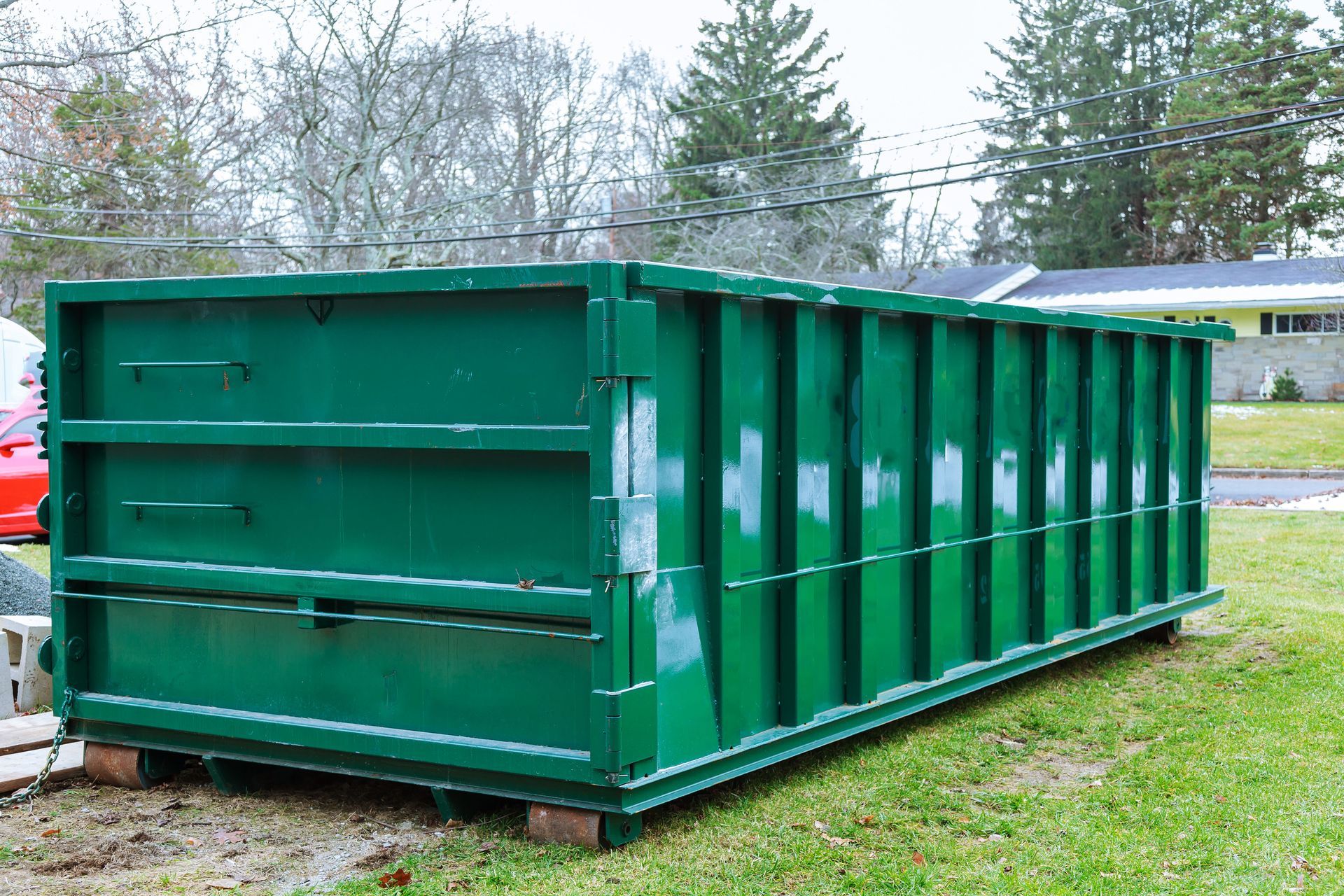
Dumpster sizes typically range from 10-yard to 40-yard containers, with each size suited to different types of construction and cleanup projects. Smaller containers are often used for residential renovations, while larger containers are better suited for full-scale demolition or commercial construction work. A dumpster rental provider offers these size options to match project demands.
Selecting the correct size helps prevent overfilling or inefficient use of space, while also supporting smoother loading and removal processes. A dumpster rental provider helps ensure proper sizing decisions based on project scope.
Use Specialty Containers
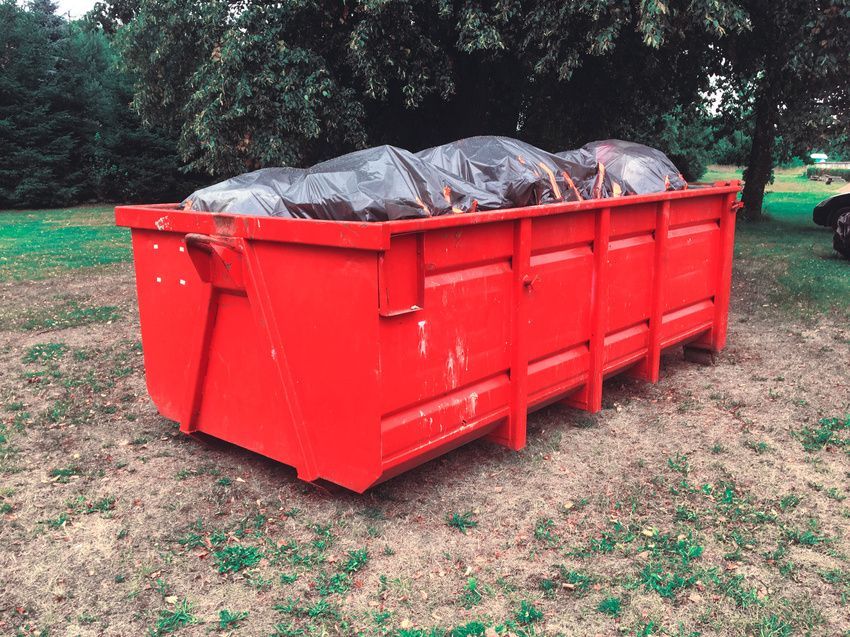
Some construction projects require containers that can accommodate specific types of materials or higher debris volumes. Having access to multiple container options helps support projects with varying cleanup demands. A dumpster rental provider can supply different container types based on project needs.
Consider Site Space Availability
Available space on a construction site can influence dumpster placement and size selection. Urban or confined job sites may require more precise positioning to maintain access routes and workflow efficiency. A dumpster rental provider can assist in planning placement based on available space.
Adapt Dumpster Use
Construction projects often change as work progresses, which may require adjustments in dumpster size or placement. Flexibility in service options can help accommodate shifting project needs. A dumpster rental provider supports these adjustments as work evolves.
Being able to adjust container usage during different phases of construction helps maintain efficiency and reduces delays associated with waste accumulation. This supports smoother project execution overall.
Coordinate Loading Access
Efficient loading and pickup depend on how easily dumpsters can be accessed on-site. Placement should allow crews to dispose of materials without interrupting active work zones. A dumpster rental provider helps ensure proper placement for access.
Comparing Rental Costs and Pricing Structures
Understand Fee Structures
Dumpster rental pricing may vary depending on container size, rental duration, and project requirements. Understanding how pricing is structured helps support more accurate budgeting and planning. A dumpster rental provider can explain available pricing models.
Manage Additional Charges
Some rental agreements may include additional charges depending on usage conditions or extended rental periods. Reviewing service terms in advance helps ensure clarity around total project costs. A dumpster rental provider helps outline these conditions.
Plan Long-Term Rentals
Longer construction projects may benefit from extended dumpster rental arrangements. These options can help support continuous debris removal without requiring frequent replacements or new scheduling. A dumpster rental provider can structure long-term solutions.
Extended rental setups can improve efficiency by maintaining consistent waste management throughout the duration of the project. This helps keep cleanup operations steady.
Select Payment Options
Different providers may offer a range of payment methods and billing schedules. Understanding available options helps align service arrangements with project financial planning. A dumpster rental provider outlines these options clearly.
Flexible payment terms can help support smoother coordination between service delivery and project budgeting requirements. This helps reduce administrative friction.
Balance Cost and Service
Balancing cost with service quality is an important consideration when selecting a dumpster rental provider. The most cost-effective option is not always the one that best supports project efficiency. A dumpster rental provider should be evaluated on both factors.
Evaluating service consistency, responsiveness, and operational capability helps ensure that waste removal supports overall project success. This improves project dependability and operational outcomes.
Coordinating Construction Debris Handling
Support Job Site Cleanup
Dumpster rental services play a key role in supporting job site cleanup by providing designated containers for construction and demolition debris. This helps keep materials organized and contained throughout the project. A dumpster rental provider helps facilitate this process.
Consistent debris removal helps maintain clear work areas and supports safer and more efficient worksite operations. This improves overall site functionality.
Manage Project Materials
Construction projects often generate a continuous flow of debris that must be managed efficiently. Having the appropriate dumpster on-site allows materials such as wood, concrete, and mixed construction debris to be collected as work progresses. A dumpster rental provider supplies these containers.
For construction, demolition, excavation, dumpster rental, and hauling services, Capital Industries offers the equipment and support needed to keep debris removal and site cleanup moving efficiently across a wide range of project types. To learn more about available services and project support options, explore what Capital Industries has to offer.
Share On: