Commercial Demolition Planning: Keeping Projects Safe and on Schedule
Commercial demolition is often the first major step in a new construction or redevelopment project. Whether you're clearing space for a new building, removing an outdated warehouse, gutting an office interior, or preparing a site for redevelopment, the way demolition is handled can affect every phase that follows. A poorly planned project can lead to safety incidents, permit delays, unexpected costs, and frustrated stakeholders. A well-planned one keeps workers and the public safe, protects surrounding property, and allows construction to begin on time. Understanding the key elements of commercial demolition planning can help property owners, developers, and general contractors keep projects running smoothly from start to finish.
Conducting a Thorough Site Assessment
Every successful demolition project begins with a detailed site assessment. This evaluation looks at the size, age, and construction of the building, along with the materials used and any structural concerns. Crews identify load-bearing walls, foundations, basements, and other features that may affect how the structure comes down. The surrounding area is also reviewed, including nearby buildings, sidewalks, roadways, parking lots, and underground utilities. Access points for equipment and trucks, available staging areas, and potential hazards are all noted during this stage. A thorough assessment provides the information needed to choose the safest and most efficient demolition approach. Our demolition service begins every commercial project with a careful site evaluation so there are fewer surprises once work begins.
Securing Permits and Meeting Regulations
Commercial demolition is subject to a range of local, state, and federal regulations. Most projects require demolition permits from the local building department, and some may also need approvals related to environmental protection, historic preservation, noise, dust control, or street use. Utility companies typically must confirm that services have been disconnected before work can begin. Missing a required approval can lead to fines, stop-work orders, and costly delays. Building time into the schedule for permit reviews and inspections helps keep the project on track. Working with an experienced team that understands the permitting process can make this phase faster and less stressful for property owners and developers.
Identifying Hazardous Materials
Older commercial buildings may contain hazardous materials that must be addressed before demolition begins. Asbestos was commonly used in insulation, flooring, roofing, and fireproofing, while lead-based paint may be present on walls, trim, and structural steel. Other concerns can include mercury-containing light fixtures, PCBs in older electrical equipment, chemical storage, and fuel tanks. A professional hazardous materials survey identifies these items so they can be removed and disposed of properly according to regulations. Skipping this step can expose workers and the public to serious health risks and lead to significant legal and financial consequences. Proper abatement protects everyone involved and keeps the project compliant.
Disconnecting Utilities Safely
Before demolition can begin, all utilities serving the building must be safely disconnected. This typically includes electricity, natural gas, water, sewer, telecommunications, and fire protection systems. Coordinating with utility providers well in advance is important, since disconnections may require scheduling and inspections. Underground lines near the work area should also be located and marked to prevent accidental damage during excavation or equipment movement. Failing to properly disconnect utilities can create fire, explosion, flooding, and electrocution hazards. Our demolition service confirms that every utility has been safely shut off and capped before heavy equipment arrives on site.
Choosing the Right Demolition Method
Not every commercial project is handled the same way. The best demolition method depends on the size and type of structure, its location, nearby buildings, and the goals of the project. Mechanical demolition with excavators, high-reach equipment, and specialized attachments is common for many commercial buildings. Selective or interior demolition removes specific sections, such as walls, ceilings, floors, or fixtures, while preserving the main structure for renovation. In tight urban areas, crews may need to dismantle buildings piece by piece to protect neighboring properties. Choosing the right method helps balance safety, efficiency, and cost. Our demolition service evaluates each site carefully to recommend an approach that fits the specific needs of the project.
Developing a Detailed Safety Plan
Safety is the top priority on any demolition site. A detailed safety plan outlines how risks will be managed throughout the project, from falling debris and structural collapse to equipment hazards and dust exposure. The plan typically includes site fencing and signage to keep unauthorized people out, designated work zones, equipment operation procedures, fall protection, and personal protective equipment requirements. Dust control measures, such as water spraying, help protect workers and nearby residents. Emergency procedures, daily safety briefings, and regular inspections keep crews aware of changing conditions as the work progresses. Following OSHA standards and industry best practices reduces the risk of injuries and helps keep the project moving without interruption.
Protecting Neighboring Properties
Many commercial demolition projects take place near occupied buildings, busy streets, and active businesses. Protecting these surrounding areas is a critical part of planning. Crews may install barriers, debris netting, or protective scaffolding to prevent damage to adjacent structures. Vibration monitoring can help track how demolition activity affects nearby foundations and buildings. Traffic control plans may be needed to manage truck access and keep pedestrians safe. Clear communication with neighbors and local businesses about schedules, noise, and potential disruptions also helps maintain positive relationships throughout the project. Thoughtful planning keeps the focus on the work site while minimizing impact on the surrounding community.
Managing Debris and Recycling Materials
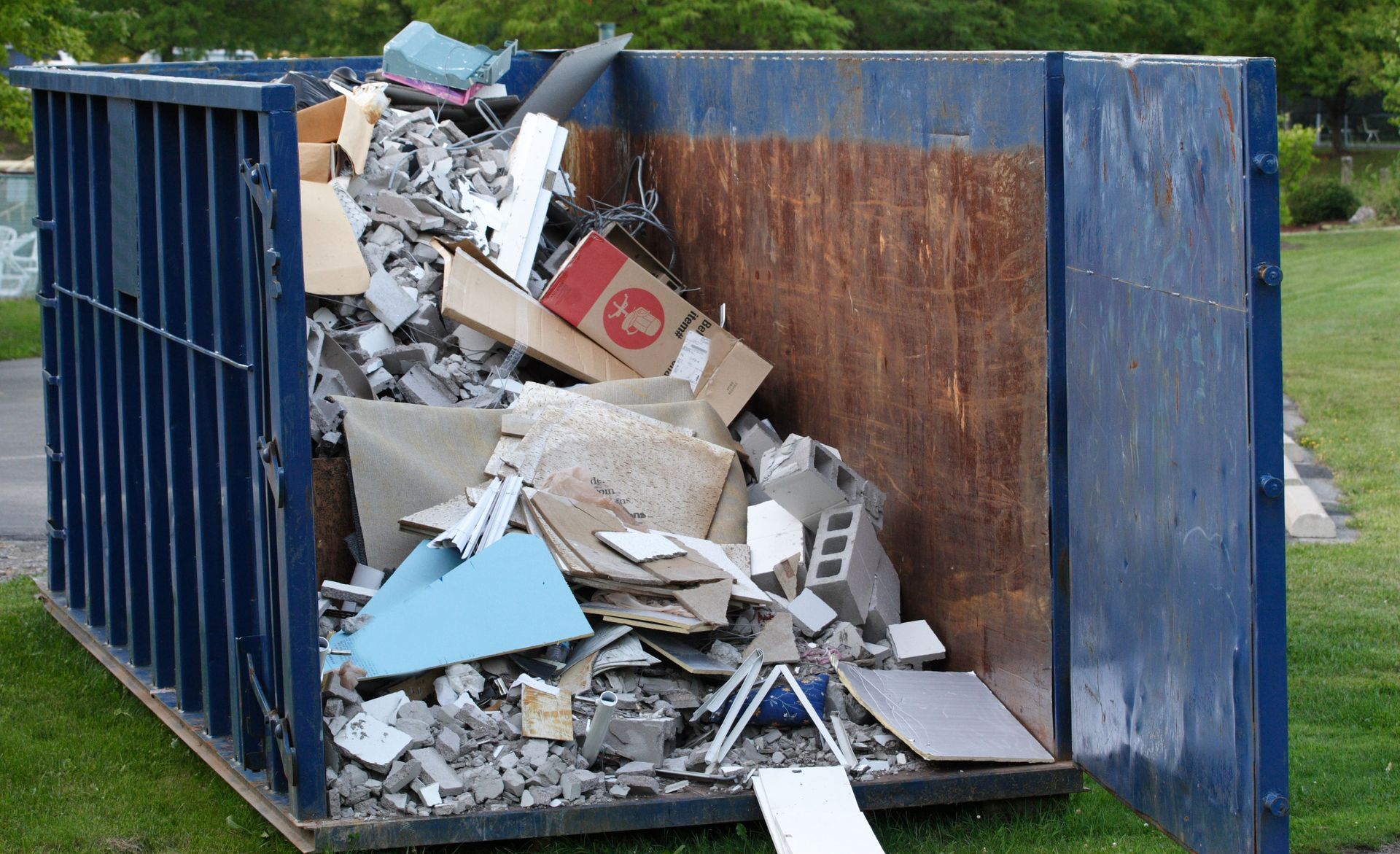
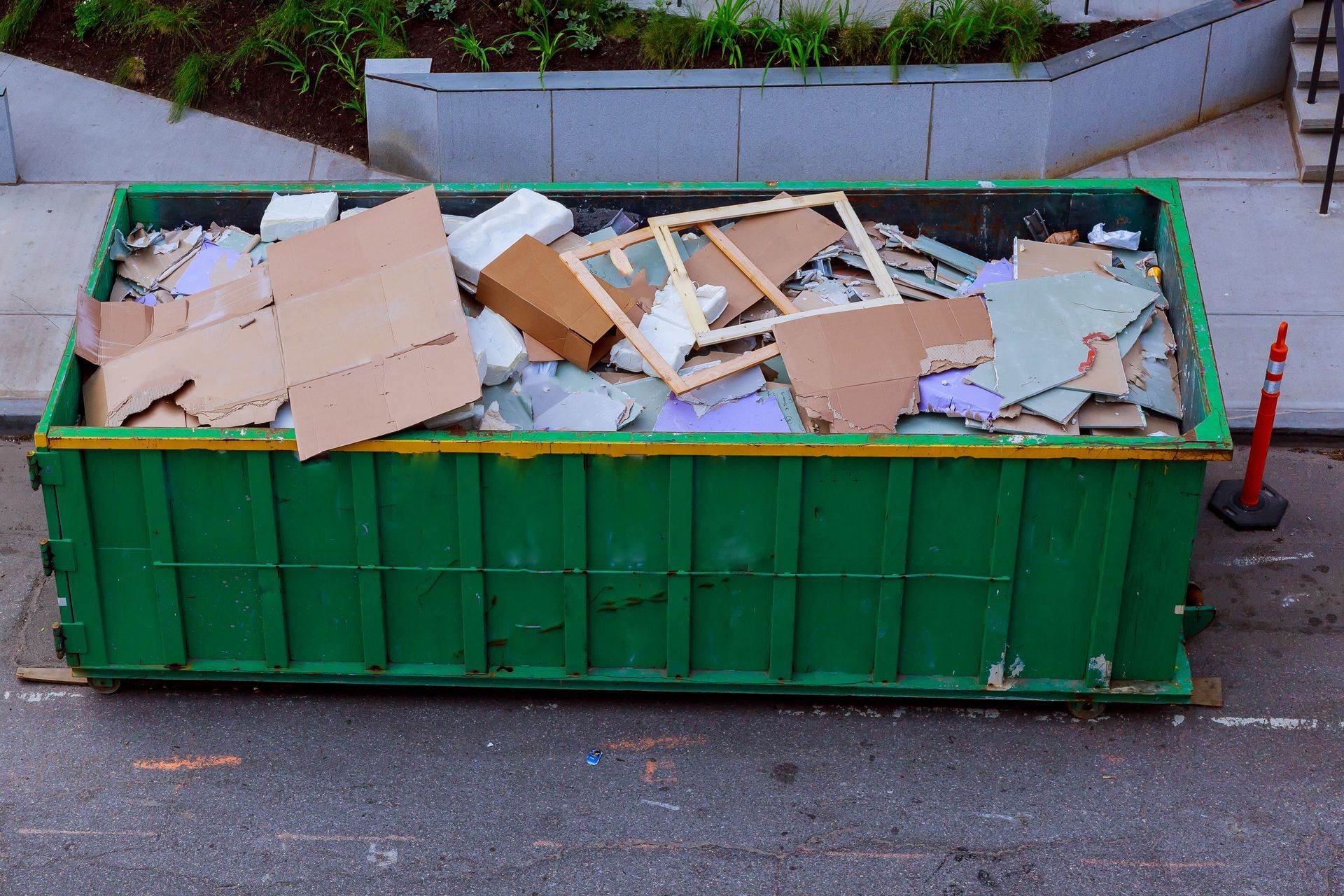
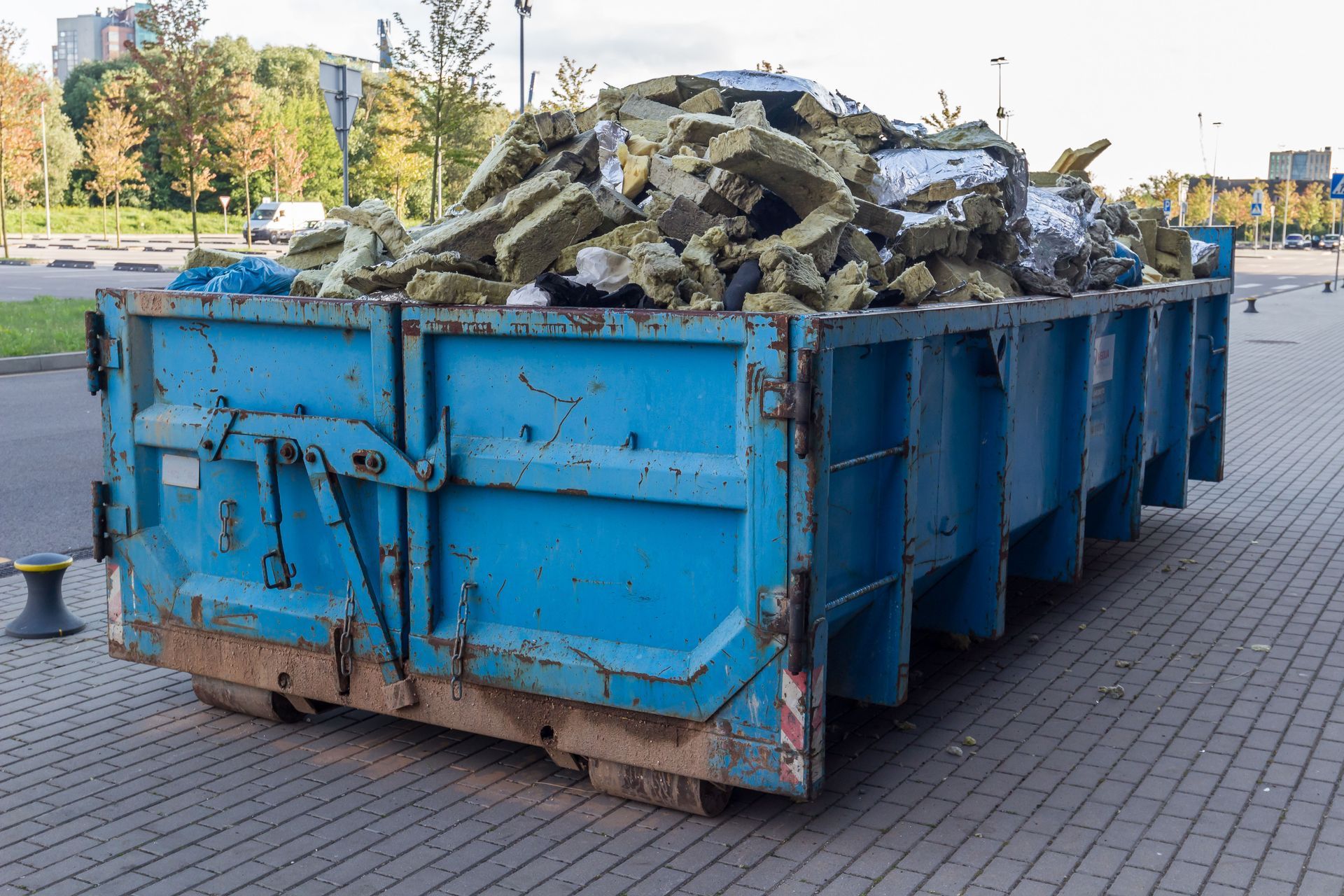
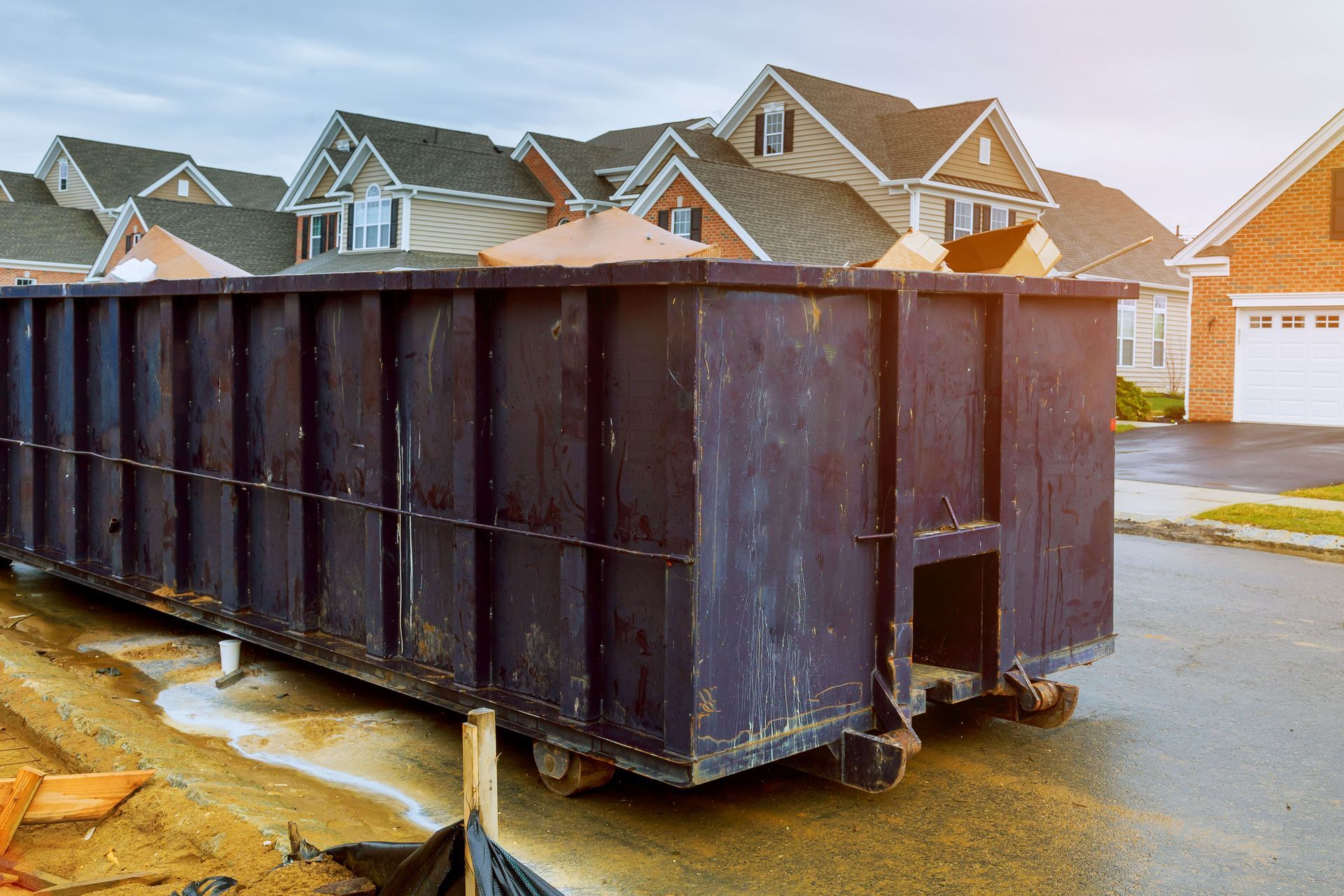
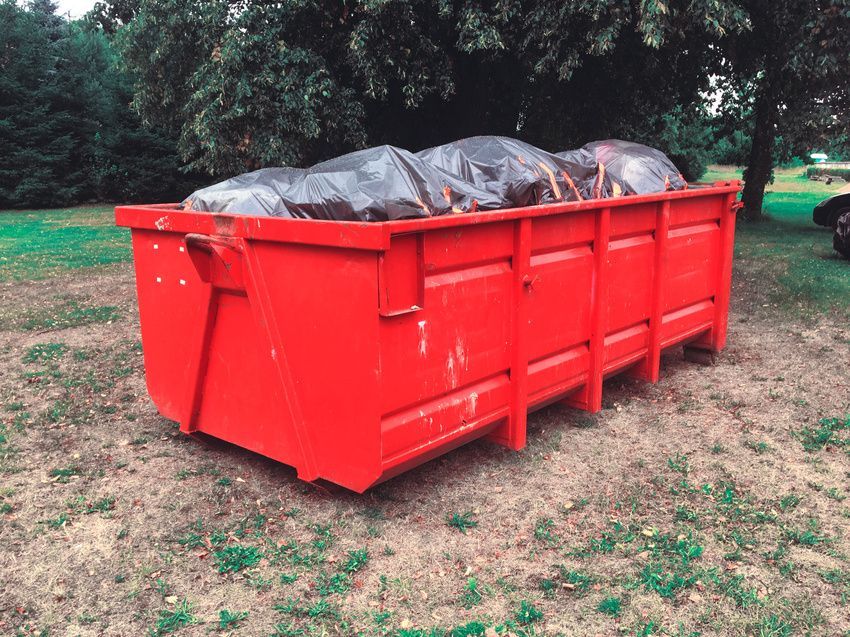
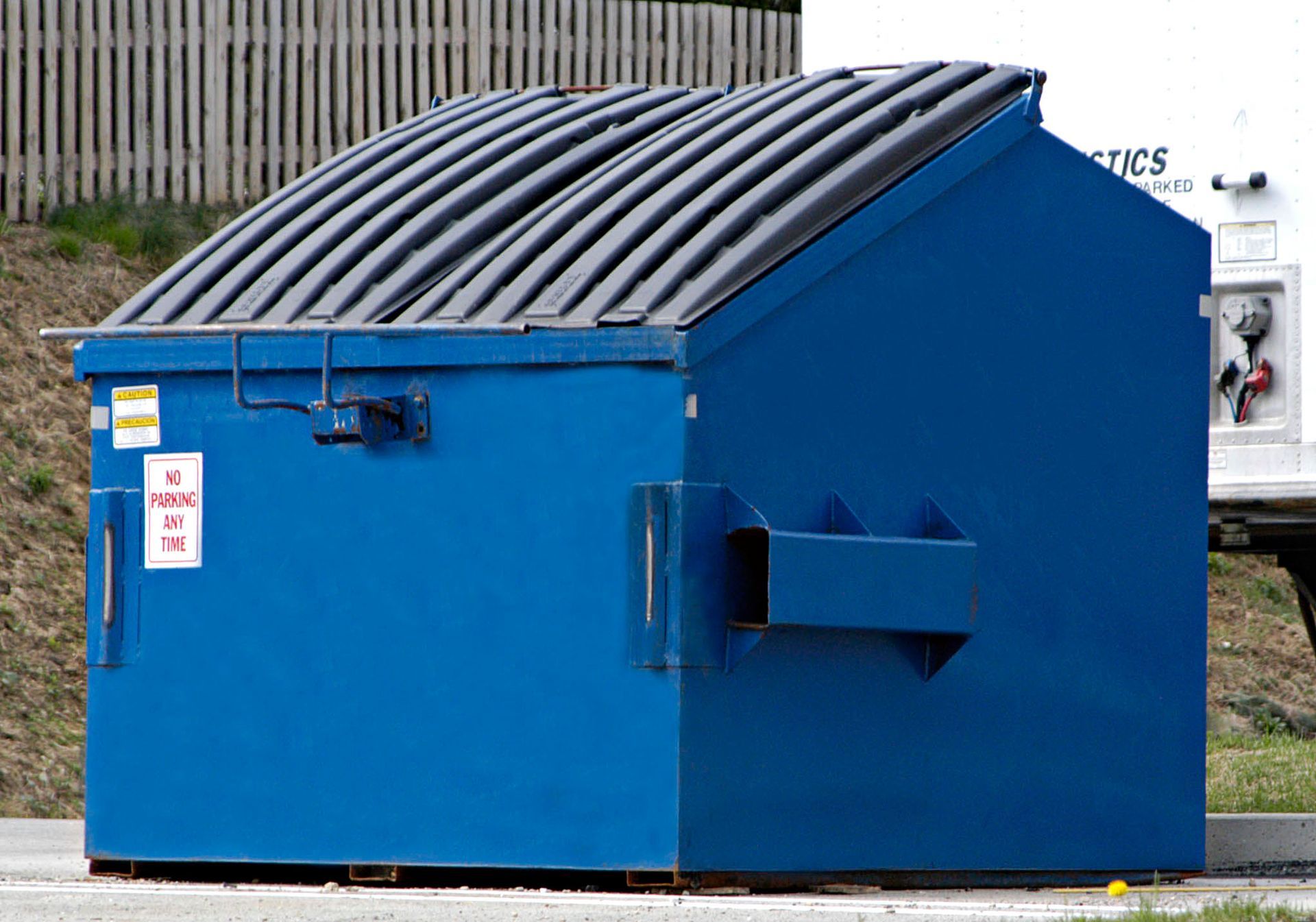
Demolition generates a large amount of waste, and managing it responsibly is an important part of the planning process. According to the EPA, about 600 million tons of construction and demolition debris are generated each year. Much of this material can be reused or recycled instead of sent to landfills. Concrete and masonry can be crushed for use as aggregate, metals can be sold to scrap recyclers, and wood, asphalt, and certain fixtures may also be salvaged. Planning for material separation on site makes recycling more efficient and can help reduce disposal costs. As a demolition service that prioritizes recycling, we help clients support sustainability goals while keeping the job site organized and productive.
Keeping the Schedule on Track
Delays during demolition can push back every phase of construction that follows. Creating a realistic schedule that accounts for permits, hazardous materials abatement, utility disconnections, demolition, debris removal, and site clearing helps keep expectations clear for everyone involved. Weather, unexpected structural conditions, or hidden hazards can still cause setbacks, so building in some flexibility is wise. Our demolition service provides regular updates and keeps communication open between the property owner, general contractor, and other stakeholders so issues can be addressed quickly. When everyone stays informed, decisions can be made faster, and the project can move smoothly into the next stage of development.
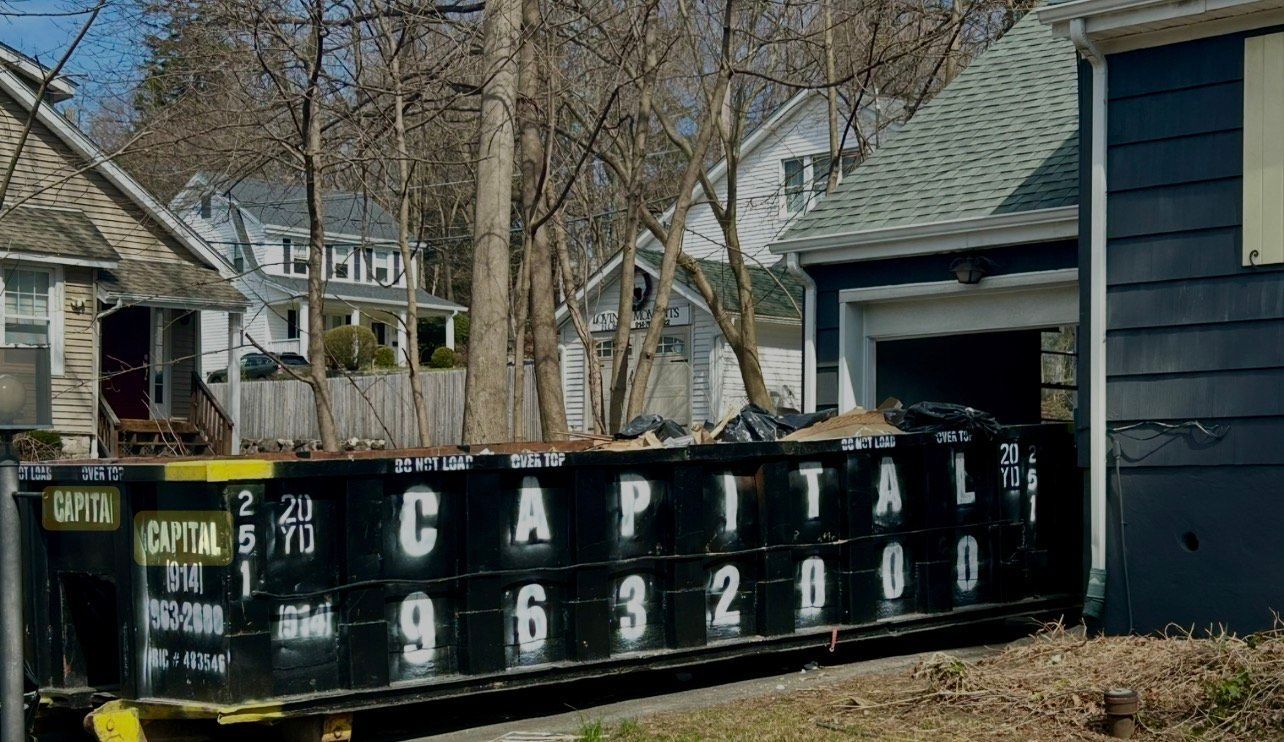
At Capital Industries, we understand that successful commercial demolition requires careful planning, skilled crews, and a strong commitment to safety. Our demolition service handles every phase of the process, from site assessments and permit coordination to utility disconnections, demolition, debris removal, and site clearing. We work closely with property owners, developers, and general contractors to create detailed plans that keep projects safe, compliant, and on schedule. Whether you're preparing for new construction or clearing space for redevelopment, our team is ready to help. Contact Capital Industries today to discuss your commercial demolition project.
Share On: