
Recycling vs. Landfill: Where Does Your Trash Go?
Modern waste management systems are a testament to human ingenuity, addressing the ever-growing issue of trash disposal. As populations balloon and consumption patterns intensify, the question of where our waste ends up becomes critical. To help answer, we'll dive into the primary avenues of waste disposal: recycling and landfills. We will explore their respective mechanisms, efficiencies, global variations, and challenges. The ultimate goal is to illuminate the pathways our waste takes and the impact of these choices on our planet.
Understanding Waste Management Systems
The Role of Recycling Programs
Recycling programs are designed to divert waste from landfills by repurposing materials for further use. These initiatives typically involve the collection of glass, plastics, metals, and paper, which are then sorted, processed, and returned to the production cycle. Although the environmental benefits of recycling are clear, the systems in place often have limitations. According to Dumpsters, each American produces 1,642 pounds of waste annually, with so much waste needing to be sorted, mass public participation is required. The success of recycling largely depends on effective infrastructure, public participation, and market demand for recycled materials.
Landfill Operations Explained
Landfills, the traditional method of waste disposal, play a significant role in managing the waste stream. Typically located away from urban centers, these sites are engineered to contain and isolate waste. The process begins with waste collection, followed by careful layering at landfill sites, designed to minimize environmental pollution. Modern landfills incorporate systems to manage leachate and methane, byproducts of decomposing waste, to prevent contamination of surrounding ecosystems. Despite these measures, the accumulation of waste poses persistent environmental and social challenges.
Comparative Efficiency and Effectiveness
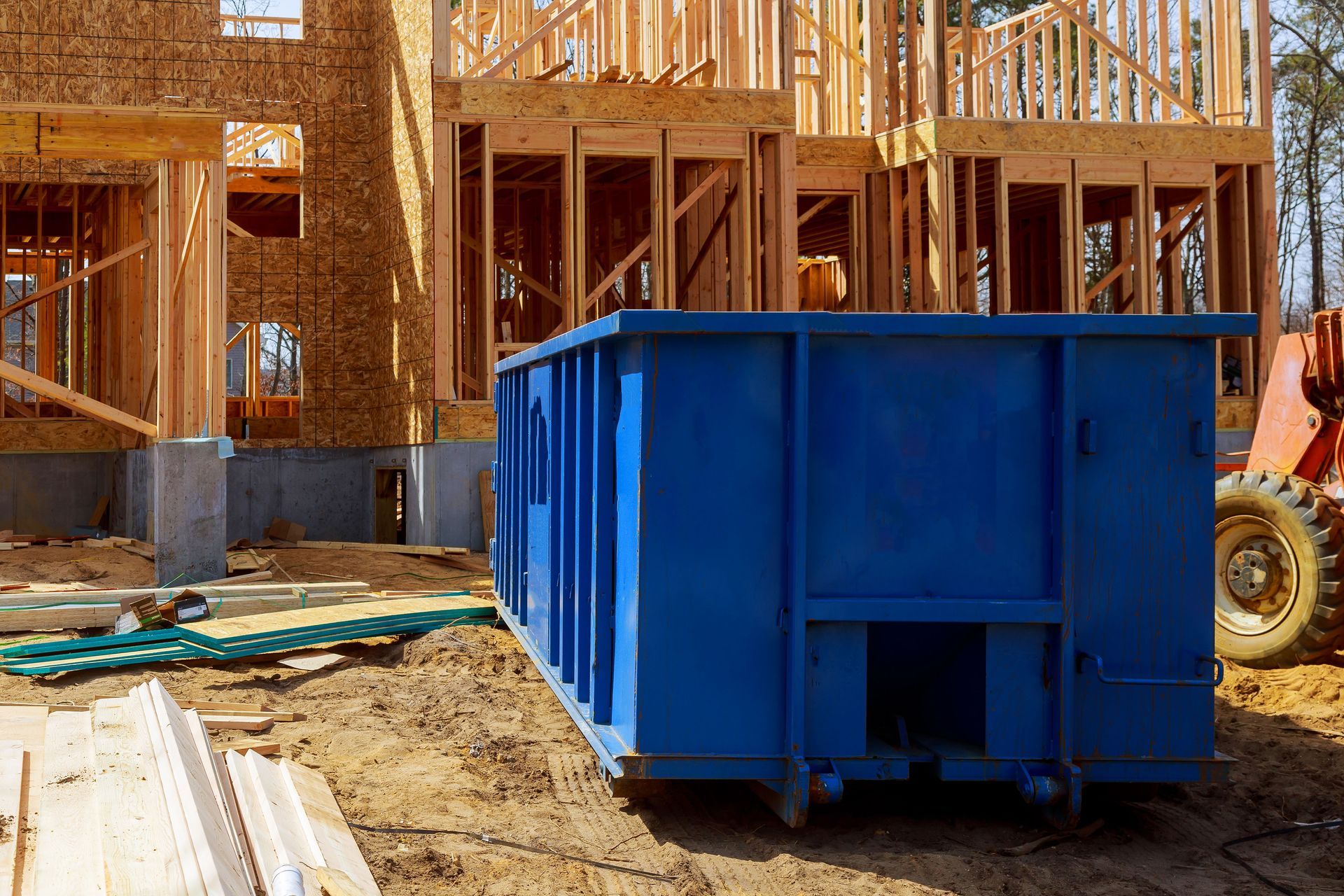
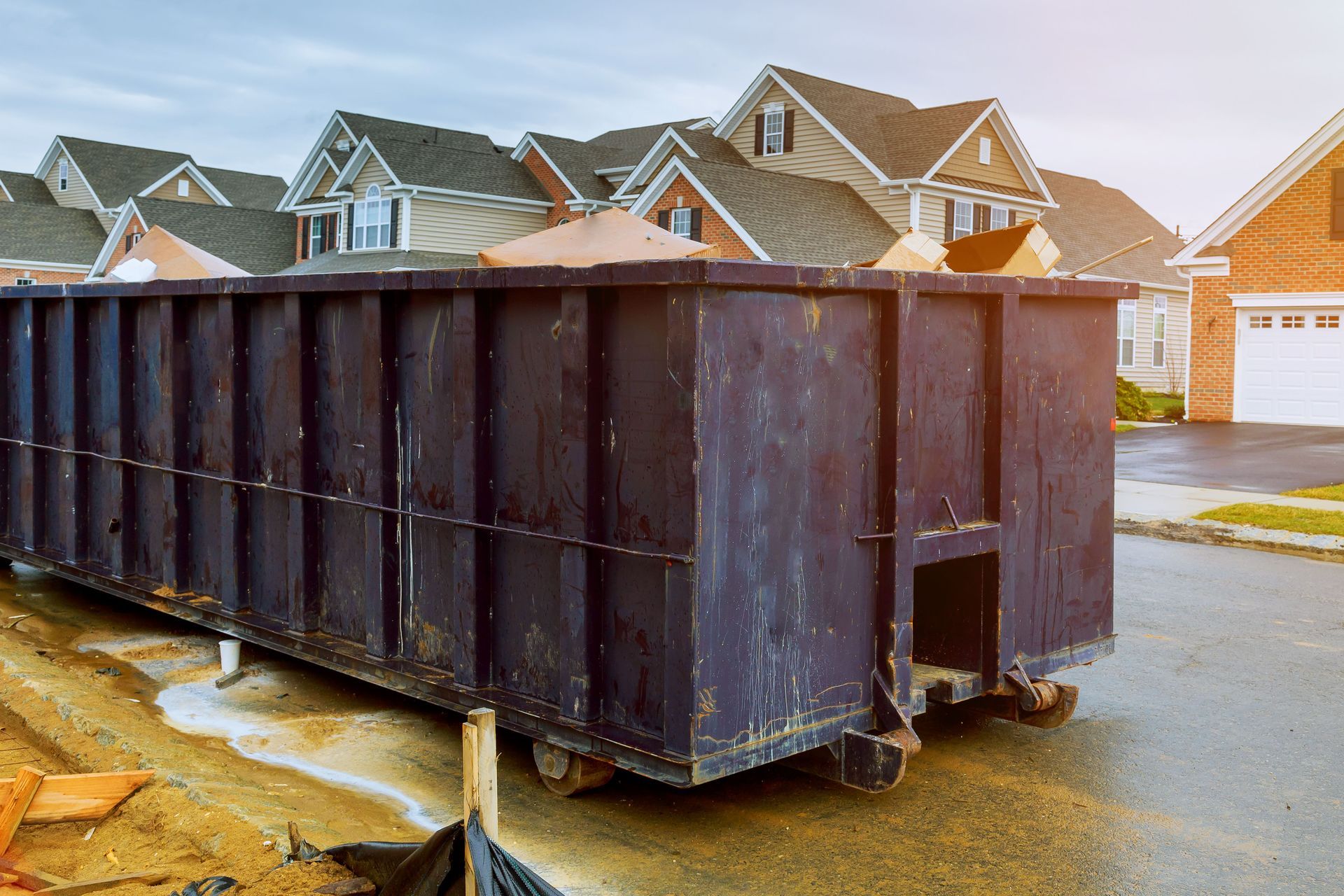
When evaluating the efficiency of waste management systems, both recycling and landfills present their unique challenges and benefits. Recycling is often lauded for its ability to conserve resources and reduce greenhouse gas emissions by offsetting the need for new materials. However, not all materials are economically viable to recycle, leading to inefficiencies. Landfills, while effective in terms of sheer waste capacity, often represent unsustainable long-term solutions. For businesses generating large volumes of waste, professional dumpster rental services can help improve collection efficiency and ensure materials are directed to the appropriate disposal or recycling facilities. The comparison hinges on factors such as environmental impact, economic feasibility, and community engagement, which vary drastically depending on regional infrastructure and societal behaviors.
Global Variations in Waste Management
Waste management practices diverge significantly across the globe due to differences in infrastructure, governance, economic status, and cultural attitudes. Developed nations often lead in implementing advanced recycling technologies and compliance policies. Conversely, developing countries might rely more heavily on landfills due to limited resources and infrastructure. In many regions, access to services such as professional dumpster rental helps businesses and construction sites manage waste more efficiently before it enters the broader waste stream. The disparity affects local environments and global waste trends, highlighting the need for inclusive international cooperation and support. As global populations and waste levels soar, finding a balanced, effective approach to waste management is more critical than ever.
The Lifecycle of Recyclable Materials
Collection and Sorting
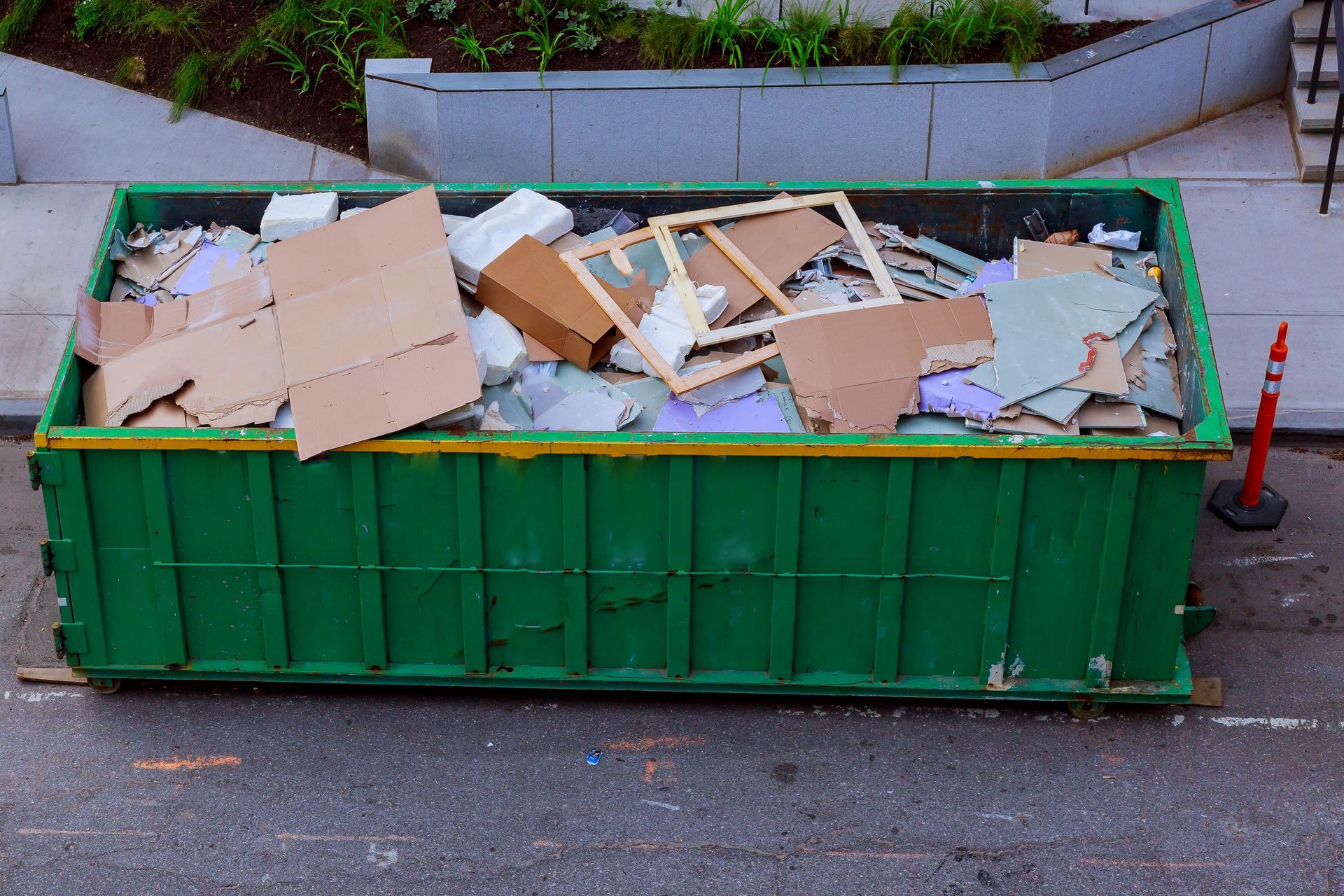
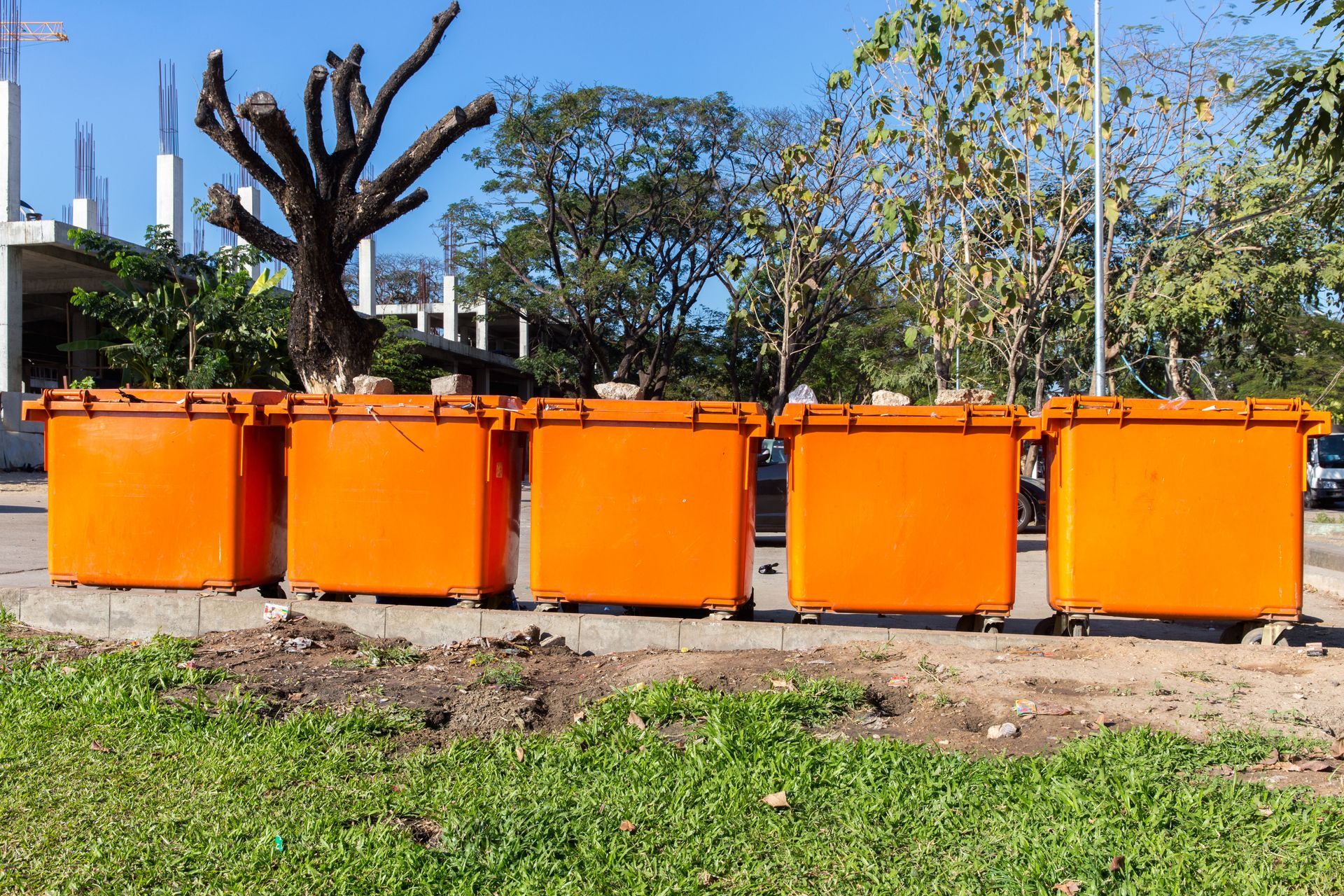
The lifecycle of recyclable materials begins with collection, a crucial step that determines the quality and efficiency of the recycling process. Materials often originate from household, industrial, or commercial sources and are sorted into designated recycling bins. Proper sorting is vital for reducing contamination, which can severely hinder recycling efforts. Advanced sorting technologies, such as automated systems, are emerging to address this challenge, ensuring more efficient processing. For large-scale cleanouts, renovations, and commercial projects, professional dumpster rental services can streamline waste collection and improve sorting efficiency at the source. Educating the public on proper recycling practices remains a cornerstone for improving collection and sorting outcomes.
Processing Recyclables
Once collected and sorted, recyclable materials undergo various processing stages to prepare them for reuse. This involves cleaning, shredding, and melting materials to break them down into raw forms. For instance, plastics are often pelletized, glass is pulverized, and metals are melted and purified. Each material follows a unique path, based on properties such as melting points and contamination levels. These processes require significant energy inputs, but they ultimately save energy and resources compared to producing new materials from scratch.
Challenges in Recycling Systems
Despite their potential, recycling systems face several formidable challenges. Contamination of recycled materials stands as a significant barrier, leading to higher processing costs and resource wastage. Economic viability fluctuates, with recycling often competing against cheap, new material production driven by global supply and demand chains. Market volatility adds another layer of complication, influencing the profitability and investment in recycling infrastructure. Businesses that utilize professional dumpster rental solutions can often improve waste segregation practices, reducing contamination and helping recyclable materials reach the proper processing facilities. Addressing these challenges requires strategic policy intervention and global cooperation to ensure long-term sustainability.
The Environmental Impact of Recycling
Recycling is widely recognized for its positive environmental impacts, though it is not without drawbacks. It plays a crucial role in reducing landfill waste, conserving natural resources, and lowering greenhouse gas emissions. Contrarily, recycling processes can require significant energy and water consumption, and the logistics involved in collection and transportation contribute to carbon emissions. A balanced view considers both the advantages and limitations of recycling. Opposition arises from sectors arguing economic infeasibility, but technological advancements steadily decrease environmental costs, enhancing benefits.
The Journey of Waste to Landfill
Transportation to Landfills
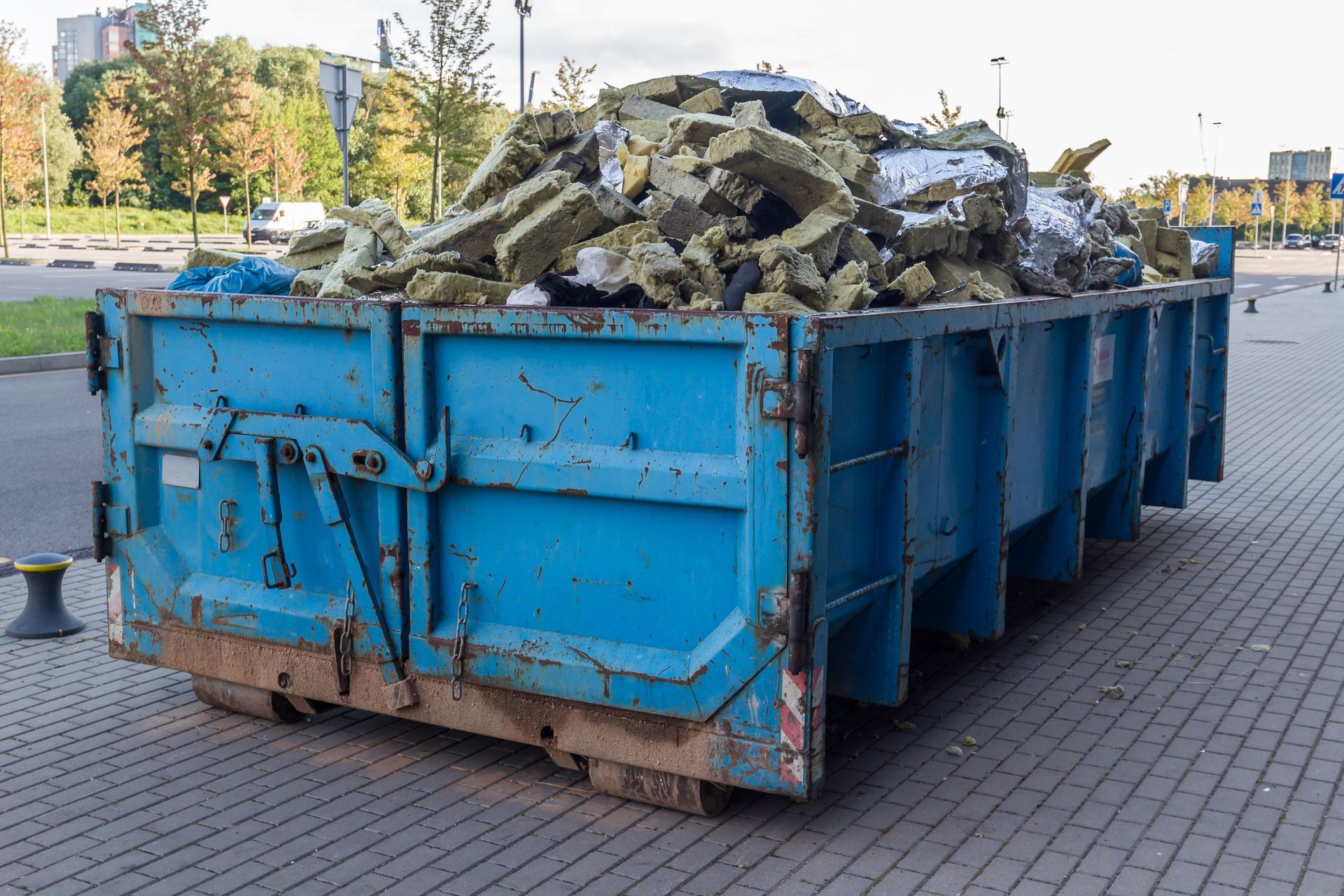
The journey of waste to landfills begins with a foundational element: transportation. Waste management companies collect refuse from urban and suburban environments, using a fleet of vehicles designed for varied waste types. This step is crucial for efficient waste management but presents inherent environmental costs, notably fuel consumption and emissions. Waste is transported to central transfer stations or directly to landfills, depending on logistical considerations. Many businesses rely on professional dumpster rental providers to facilitate the temporary storage and transportation of waste, helping ensure materials are handled safely and efficiently. The strategic planning of transportation routes and vehicle efficiency is paramount for minimizing the ecological footprint of the collection process.
The Structure of a Modern Landfill
Modern landfills are meticulously engineered systems designed to manage waste over time while minimizing environmental impact. A landfill is constructed with multiple layers, including liners made from clay or synthetic materials designed to prevent leachate contamination. This structure involves systems for collecting and treating leachate, as well as wells for capturing methane emissions. Daily operations focus on waste compaction, providing operational efficiency and reducing surface exposure to pests. Advances in landfill technology, such as gas-to-energy systems, have enhanced their sustainability over time.
Decomposition and Biogas Production
Once waste is deposited in a landfill, decomposition processes commence, primarily driven by microbial activity. Organic material breaks down anaerobically, releasing gases like carbon dioxide and methane as byproducts. Landfill operators manage these gases through extraction systems that often convert methane into energy, providing a renewable energy source. Biogas production diversifies landfill operations and mitigates the environmental impact associated with uncontrolled emissions. Research continues to improve capture efficiency, contributing to energy independence and reduced ecological footprint.
Environmental Concerns of Landfills
Landfills, though controlled, pose ongoing environmental risks. Leachate, if not properly managed, can contaminate groundwater, with adverse effects on ecosystems and human health. Additionally, methane emissions contribute to global warming, with landfills being notable contributors to greenhouse gas emissions. Despite regulatory frameworks to mitigate these effects, persistent concerns emphasize the importance of alternatives and stricter management practices. Efforts to enhance methane capture and soil rehabilitation offer glimpses of progress but are far from universal solutions.
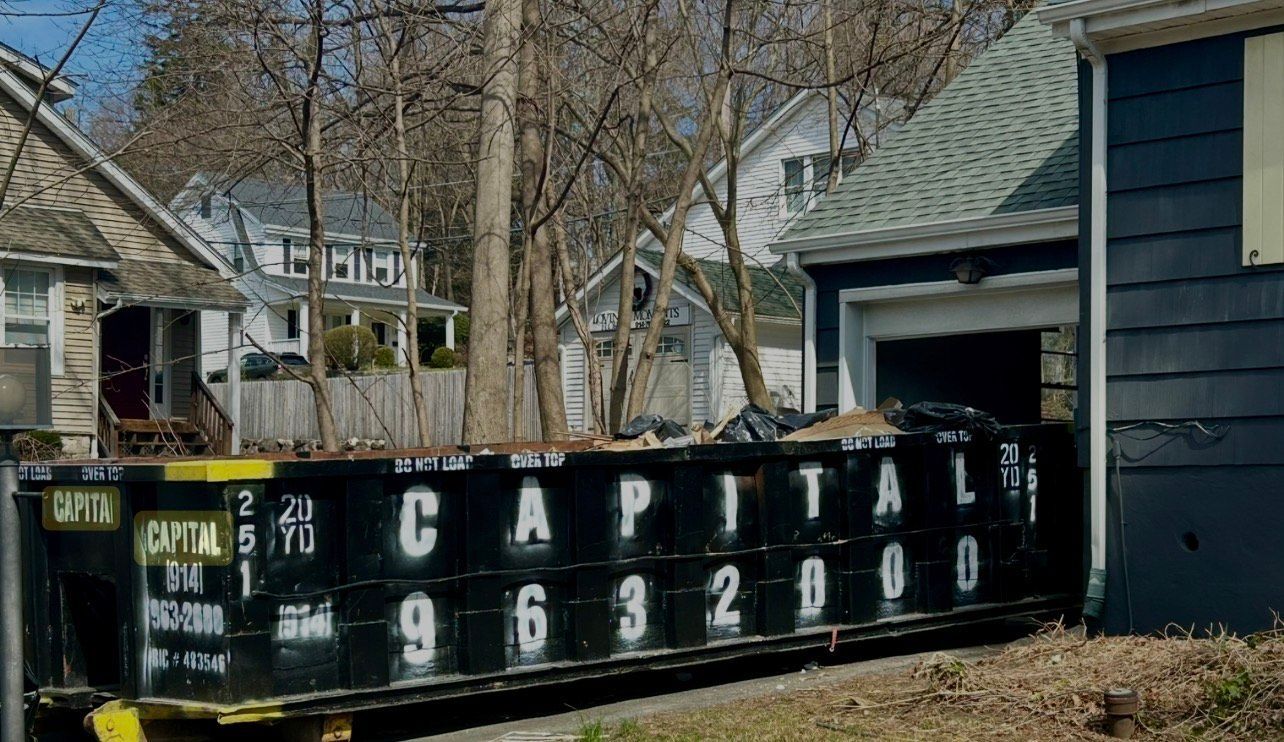
Waste management is a complex but essential component of modern society, with recycling and landfills serving as the two primary pathways for handling the vast amounts of waste generated each day. While recycling offers significant environmental benefits through resource conservation and reduced emissions, it faces challenges related to contamination, economics, and infrastructure. Landfills, meanwhile, remain a necessary part of waste management systems, providing large-scale disposal capacity but raising ongoing concerns about pollution, greenhouse gas emissions, and long-term sustainability. Solutions such as professional dumpster rental can support more organized waste collection and disposal efforts, particularly for commercial, industrial, and construction projects. To learn more about the waste collection process and utilize a professional dumpster rental, reach out to Capital Industries today.
Share On: