
Two Major Ways the Growing Waste Crisis Is Shaping Construction and Demolition
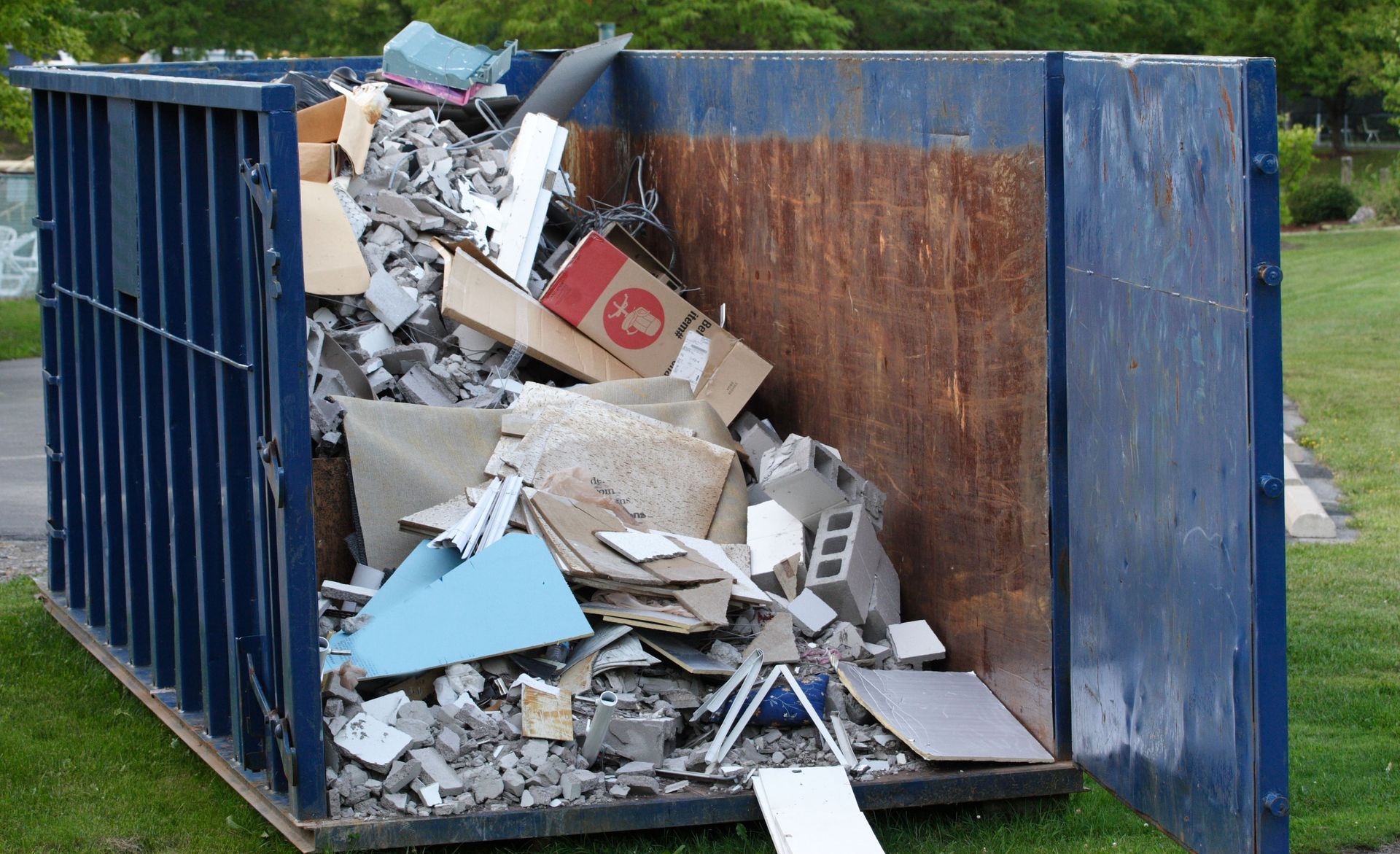
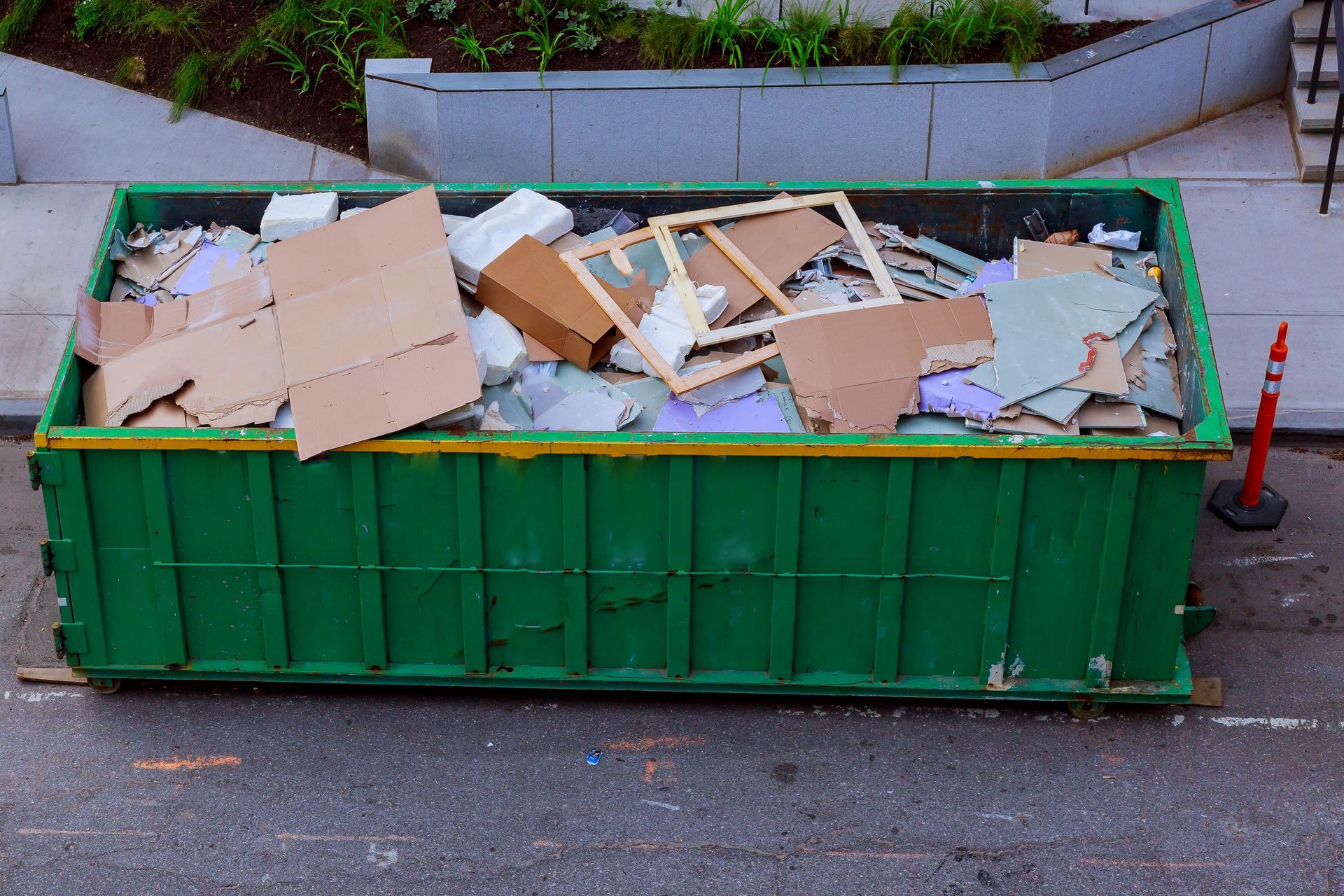
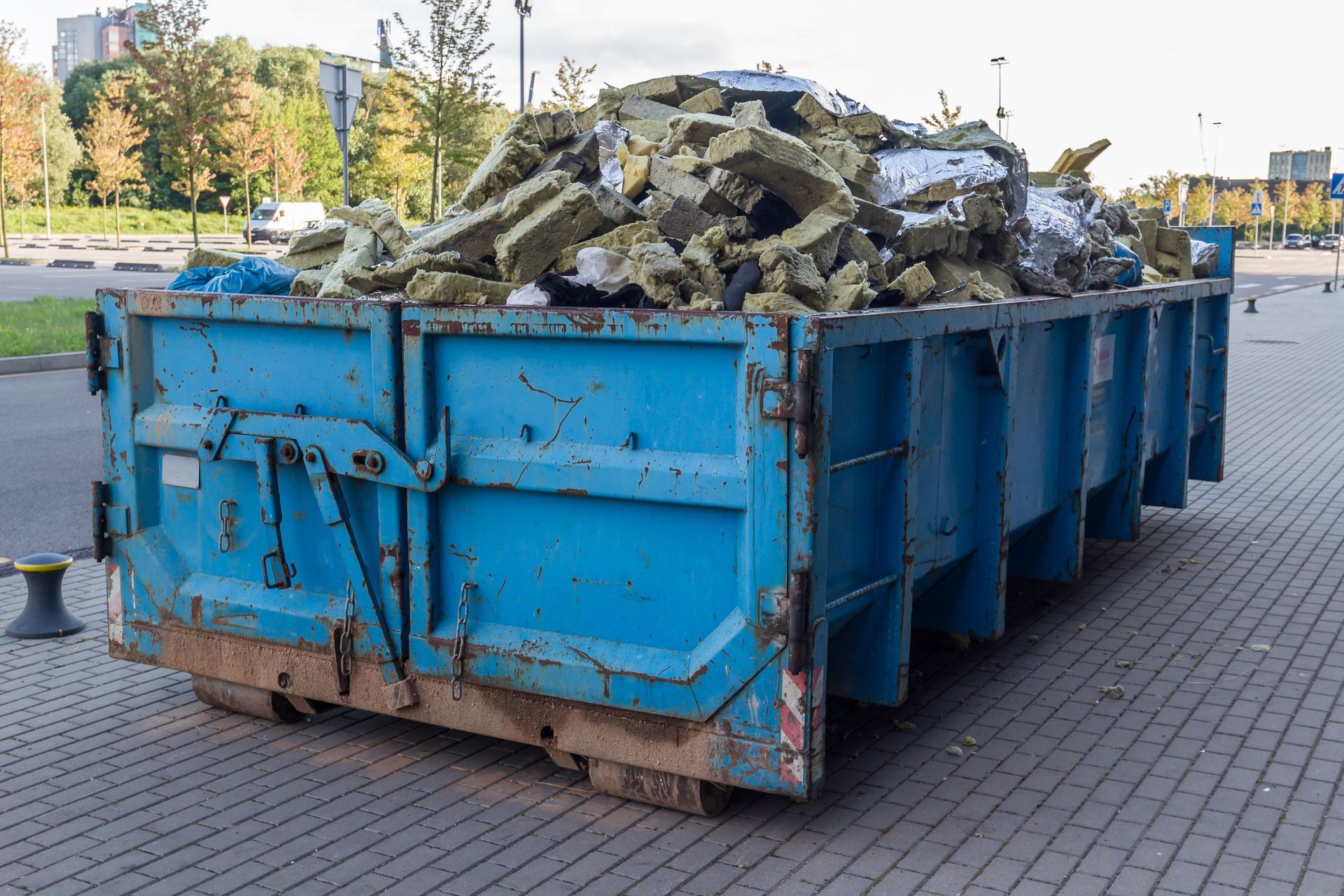
The construction and demolition (C&D) industry has increasingly become a focal point in discussions about waste management and environmental sustainability. With the sector being one of the largest producers of waste, it is imperative to explore its impacts and the need for a sustainable approach. The growing waste crisis has profound implications not only on resource management but also on global economic structures, influencing how businesses operate within the industry. According to reports from the International Solid Waste Association and the United Nations Environment Programme, worldwide waste generation is expected to increase to 3.8 billion tons by 2050. This projection highlights the urgency for innovative solutions and strategies to mitigate environmental degradation caused by excessive waste production.
1. The Increase in Recycled Materials Usage
Shift towards Sustainable Materials
In recent years, there has been a significant shift towards the use of sustainable materials in construction and demolition. This change is driven by the realization that traditional building materials often result in solid waste generation that contributes significantly to landfills. Consequently, the industry is now prioritizing materials that have a minimal environmental footprint, such as recycled concrete, reclaimed wood, and recycled steel. These materials not only help in reducing waste but also play a role in minimizing carbon emissions. The adoption of sustainable materials is transforming the industry and aligning it with global environmental and sustainability goals.
Additionally, the demand for sustainable materials is fueled by increased awareness and consumer preference for environmentally responsible construction practices. Developers and construction companies are also encouraged by regulatory bodies that promote sustainable building codes and standards. The environmental benefits aside, recycled materials often prove to be more cost-effective in the long run due to reduced waste disposal costs and enhanced longevity. This economic efficiency is an appealing factor for companies aiming to balance sustainability with profitability. The trend towards sustainable materials is expected to continue gaining momentum, reshaping the industry's landscape.
Innovations in Material Processing
Technological advancements have played a crucial role in revolutionizing material processing, making it more efficient and environmentally friendly. Innovations such as improved crushing techniques, advanced sorting processes, and enhanced purification methods have significantly increased the quality and utility of recycled materials. These technologies allow for more materials to be reused, thereby reducing the demand for virgin materials. Innovations in material processing not only decrease waste but also help conserve natural resources, contributing to a more sustainable construction industry. They also open new opportunities for industries that produce and supply recycled materials.
Leading-edge technologies such as artificial intelligence (AI) and machine learning further enhance material processing capabilities. AI algorithms can optimize sorting and separation processes, ensuring a higher purity of recycled products. This results in materials that can be reused more effectively in construction projects, enhancing their value proposition. Additionally, advancements in processing equipment have reduced energy consumption, contributing to lower greenhouse gas emissions. These innovations demonstrate the potential for technology to drive substantial progress in creating a more sustainable construction and demolition company sector.
Economic Incentives for Recycled Material Utilization
Economic incentives have emerged as powerful motivators for the increased use of recycled materials in the construction and demolition company industry. Governments, recognizing the environmental benefits, have started providing financial support to companies that integrate recycled materials into their projects. Tax breaks, subsidies, and grants for sustainable construction projects entice companies to invest in recycled materials. Such incentives not only make recycled materials more financially viable but also enhance their attractiveness as an alternative to traditional materials. This support plays a crucial role in transitioning the industry towards more sustainable practices.
Moreover, companies that adopt recycled materials often gain a competitive advantage in the marketplace. As more consumers and businesses prioritize sustainability, companies that demonstrate a commitment to eco-friendly practices can differentiate themselves from competitors. This differentiation can result in increased market share, higher brand loyalty, and improved brand reputation. Consequently, adopting recycled materials becomes both an environmental imperative and a strategic business decision. Economic incentives thereby position companies to achieve both profitability and sustainability objectives.
2. Technological Advancements in Waste Reduction
Emerging Waste Reduction Technologies
Technological advancements are playing an increasingly important role in waste reduction efforts within the construction and demolition company industry. Emerging technologies, such as advanced waste sorting equipment and automated recycling systems, have significantly enhanced waste processing efficiency. These technologies allow for greater separation of materials at the source, minimizing cross-contamination and increasing the recyclability of waste materials. Consequently, companies can recover more usable materials, reducing the reliance on virgin resources. Moreover, the integration of technology has led to the development of innovative construction methods that generate less waste, such as prefabrication and 3D printing.
Emergent technologies also provide the tools necessary to strategically manage waste generation and material flows throughout construction projects. Advanced analytics and data-driven decision-making enable companies to identify waste reduction opportunities early in the project lifecycle. Innovative solutions, such as smart waste management systems, are being deployed to monitor waste streams in real-time, allowing for prompt interventions and optimal resource utilization. This proactive approach helps the industry to not only minimize waste outcomes but also align their operations with sustainability targets and regulatory requirements.
Advancements in Sorting and Separation
Advancements in sorting and separation technologies have become pivotal in addressing the waste challenges faced by the construction and demolition company industry. These technologies improve the efficiency of recycling processes by accurately identifying and classifying different materials, thus maximizing recovery rates. Optical sorting systems, for example, use advanced sensors and machine learning to meticulously differentiate materials based on their physical and chemical properties. Meanwhile, magnetic separation technologies efficiently isolate ferrous and non-ferrous metals, ensuring high-quality recycling outputs. These advancements contribute to more streamlined waste management processes, reducing the amount of waste that ends up in landfills.
Advanced sorting and separation techniques are also enhancing the economic viability of recycling operations. By generating higher purity recovered materials, companies can achieve enhanced cost-efficiency and secure higher market value for their recycled products. These improved economics make recycled materials more competitive with virgin materials, thereby encouraging broader adoption. As precision in material separation continues to improve, operators can handle and recycle more complex waste streams. This technological evolution creates numerous opportunities for businesses to participate actively in the recycling industry.
Impact on Project Costs and Timelines
The integration of advanced waste reduction technologies in the construction and demolition company sector has significantly influenced project costs and timelines. Although the initial investment for such technology is considerable, the long-term savings on material costs, disposal expenses, and compliance penalties can offset these upfront costs. Efficient waste management systems lead to shorter project timelines by optimizing workflows, reducing material reorder times, and minimizing disruptions due to waste accumulation. Additionally, utilizing technologies such as prefabrication and modular construction can align material use closely with project requirements, eliminating delays caused by excess waste removal. These improvements contribute to a more economically sustainable project ecosystem and accelerate project completion.
A significant aspect of reducing project costs and timelines is optimizing resource utilization and minimizing the waste of materials and labor. Technologies that provide real-time data on material usage and waste streams enable better planning and result in more efficient construction operations. By automating certain processes and improving precision, companies can reduce the likelihood of project surprises and increased expenses due to corrective measures. Ultimately, technologies foster an environment of speedier, resource-efficient projects that maximize financial returns while following best practices in waste management and ecological sustainability.
The construction and demolition company industry stands at a critical crossroads, where the traditional "take-make-dispose" model is being replaced by a more resilient, circular approach. As global waste projections reach unprecedented levels, the integration of recycled materials and cutting-edge processing technologies is no longer just an environmental ideal—it is a functional necessity. By embracing innovations like AI-driven sorting and prefabrication, the sector is proving that sustainability and profitability can coexist, reducing the strain on landfills while optimizing project timelines and budgets.
Ultimately, the transition to a sustainable C&D sector requires a synchronized effort between technological adoption, economic incentives, and regulatory support. As the industry continues to evolve, those who prioritize resource efficiency and waste reduction will not only safeguard the environment but also secure a competitive edge in an increasingly eco-conscious global market. By transforming waste from a liability into a valuable resource, the construction industry can build a foundation that is as enduring as it is environmentally responsible.


Share On: