
What Demolition Contractors Look for Before Tearing Anything Down
Demolition is an intricate process that requires a significant amount of planning, assessment, and accurate execution. Before tearing anything down, a demolition contractor needs to consider a wide range of factors to ensure everything goes smoothly and safely. From securing the necessary permits to evaluating potential hazards, these professionals have a checklist that guarantees a successful and compliant project. In this blog post, we will explore precisely what a demolition contractor look for before initiating the tear-down process. Proper preparation not only protects workers and the community but also helps control costs, prevent delays, and maintain environmental responsibility. Every project is unique, and attention to detail can make all the difference in achieving a smooth and efficient outcome.
Assessing the Structural Integrity
One of the first considerations for a demolition contractor is the structural integrity of the building. An in-depth analysis helps determine the safest and most efficient demolition strategy. Contractors examine blueprints, conduct site inspections, and consult with structural engineers to assess the building's framework. This step ensures that the demolition can proceed without unexpected complications such as partial collapses, which could pose safety risks or further complicate the process. Understanding load-bearing walls and weak points also helps in planning a sequential demolition that avoids unnecessary damage to nearby structures.
Securing Permits and Adhering to Regulations
Demolition isn’t just about bringing down a structure; it's also about operating within the legal frameworks that govern construction and demolition. A demolition contractor must secure the necessary permits and remain compliant with local zoning laws and environmental regulations. This often involves engaging with regulatory bodies, submitting detailed project plans, and waiting for approvals. Ignoring this step could result in hefty fines or legal ramifications, delaying the project significantly. Additionally, some jurisdictions require notifications to neighbors or public agencies, further highlighting the importance of proactive communication in legal compliance.
Evaluating Environmental Impact and Proper Waste Management
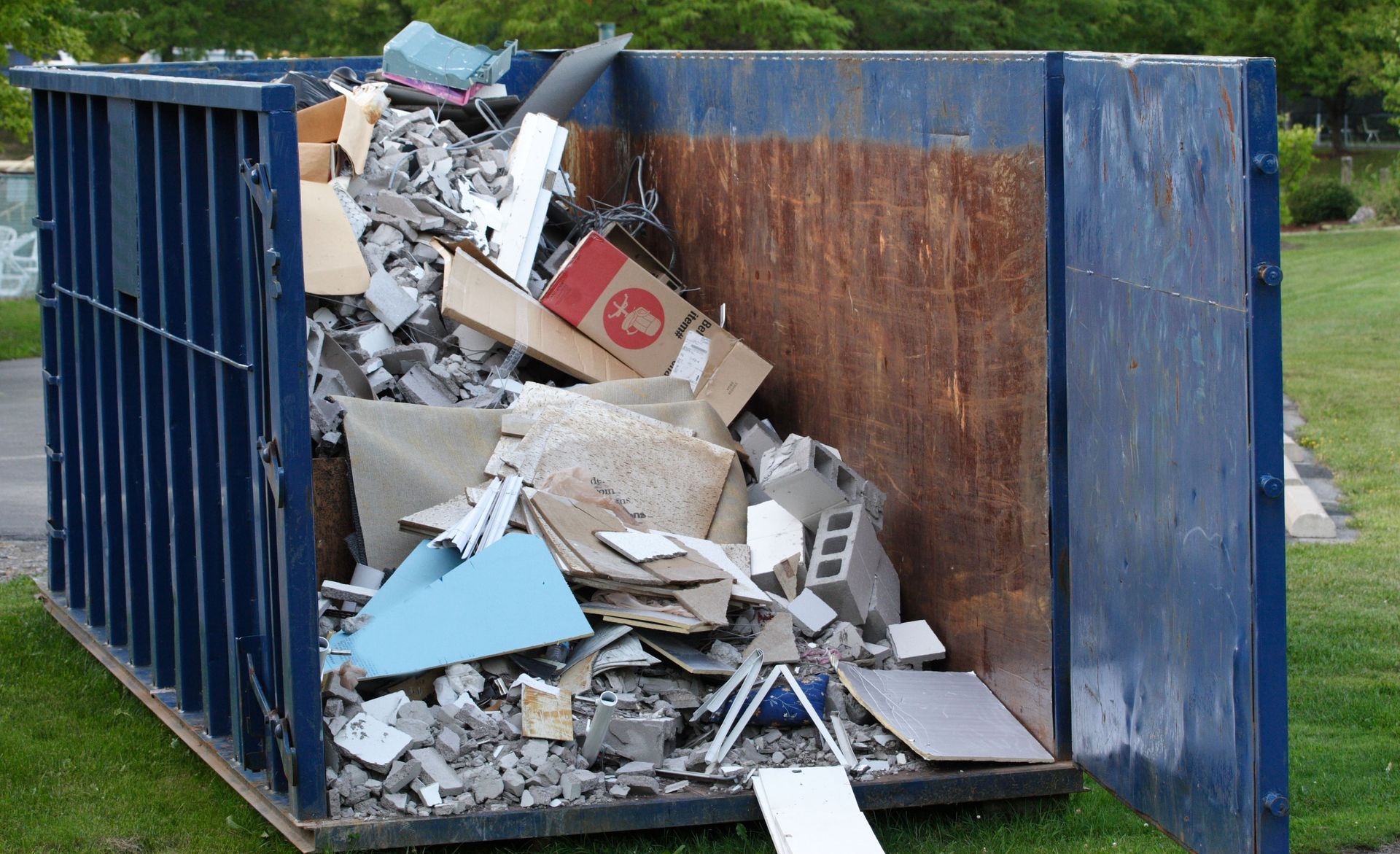
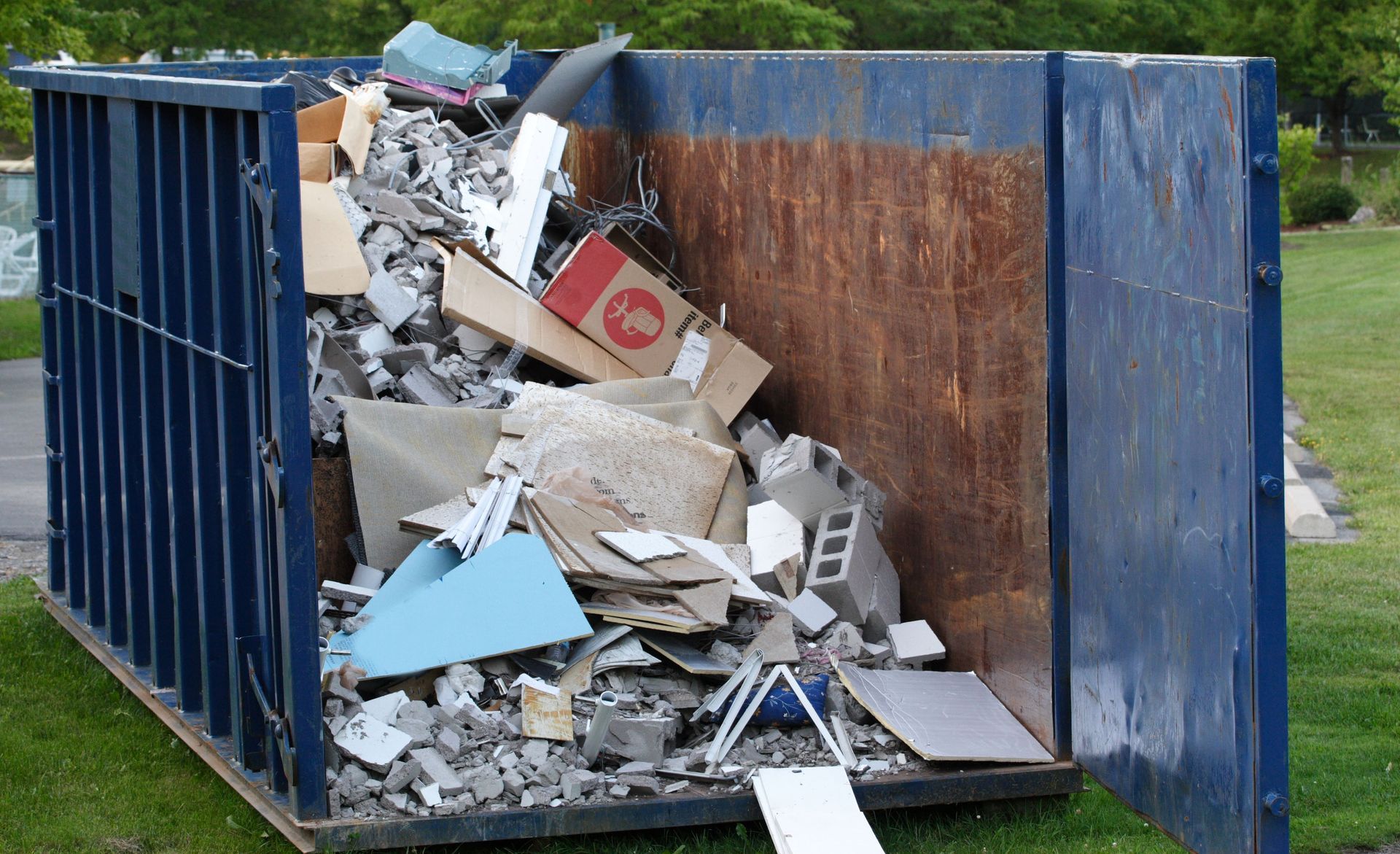
Another pivotal aspect is evaluating the environmental impact of the demolition. This includes planning for the proper disposal of debris and hazardous materials. Contractors prepare detailed waste management plans that account for recycling materials like metal, concrete, and wood. Proper planning not only minimizes environmental footprint but also adheres to regulatory mandates. According to the EPA, 90% of debris created from construction and demolition comes specifically from demolition activities, highlighting the importance of responsible disposal practices. In many cases, salvaging materials for resale or recycling can offset expenses and promote sustainable practices.
Identifying and Mitigating Potential Hazards
Safety is a paramount concern in any demolition project. Contractors need to identify and mitigate potential hazards before any work begins. This includes assessing the presence of asbestos, lead, or other hazardous substances. Additionally, they consider risks like underground utilities and ensure that all workers are equipped with personal protective equipment (PPE). Comprehensive safety plans often involve training sessions for workers to handle emergency situations effectively, safeguarding both the crew and the surrounding community. Hazard mitigation also includes establishing secure perimeters and signage to prevent unauthorized access, ensuring safety for bystanders, and minimizing liability.
Planning and Implementing Demolition Strategies
Once all preliminary assessments and preparations are in place, contractors focus on choosing the most suitable demolition method. Whether it's an implosion, high-reach arm, or wrecking ball, the choice depends on factors such as the building's location, size, and material. This strategic decision is crucial as it impacts both cost and timeline of the project. Experienced contractors take into account the project's complexity, ensuring they have the right equipment and skilled personnel to execute the plan without incident. A well-coordinated strategy also includes contingency plans to address unexpected structural weaknesses or weather delays, guaranteeing the project can proceed smoothly from start to finish.
Demolition is far from the simple act of tearing down a structure. It demands careful consideration and planning to navigate structural, legal, environmental, and safety challenges. A demolition contractor plays a critical role in ensuring projects are conducted safely, efficiently, and in compliance with all relevant regulations. By meticulously assessing variables before starting, they guarantee that the demolition process not only meets logistical and financial expectations but also upholds the highest standards of safety and responsibility. Ready to handle your demolition project safely and efficiently? Contact Capital Industries to manage every step, from planning to cleanup.



Share On: